If you’ve been thinking about getting a metal building, you’ve probably asked the same question I hear every spring: “Should I buy now, or are prices finally coming down?”
Here’s the truth. Steel building prices in 2026 aren’t shooting up like they did in 2021 and 2022 — but they’re not falling either. If you’re waiting for “pre-COVID” numbers, you’ll be waiting a long time. Right now, we’re sitting in a steady middle ground — not cheap, not inflated — and it all depends on what you’re building, where you are, and how fast you want to move.
⚡ Quick Take
- Steel prices are steady, not dropping
- Installed cost averages $18–$25 per sq. ft. nationwide
- Expect small 4–8% price bumps through 2026
- Lock quotes early — most dealers hold pricing 30–60 days
Steel Prices in 2026: Holding, Not Falling
Coil steel has cooled off since the pandemic spikes, but it’s far from cheap. Hot-rolled coil is hovering around $950–$1,050 per ton, nearly double what we paid back in 2018. Mills are keeping supply tight and cautious, avoiding another 2022-style crash. That means you’re paying a little extra for stability.
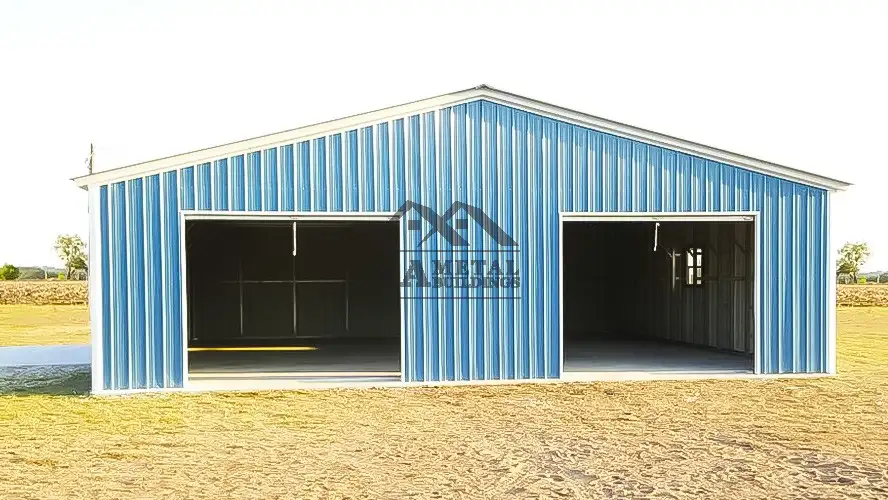
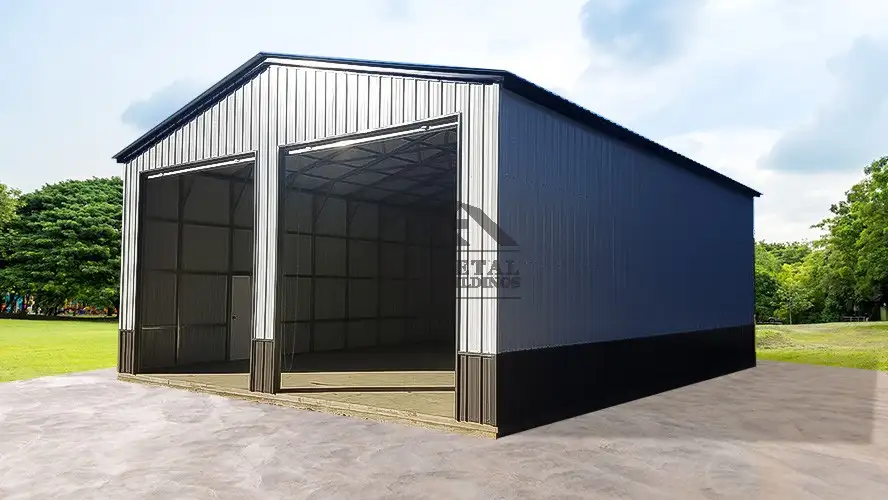
A 30×40×12 building with 12-gauge framing and a vertical roof runs around $26K–$32K installed in most areas. That same setup was $17K–$20K in 2023.
What’s Really Driving Prices in 2026
Let’s cut through the noise — it’s not just “inflation.” Here’s what’s actually moving the needle:
- Steel Mill Supply & Speculation — Mills are producing less and keeping prices firm. Big national suppliers can still bargain, but smaller dealers are feeling the squeeze.
- Fuel & Freight — Diesel and shipping costs are finally down 5–10% since mid-2024. That’s helping a bit — unless you live remote or in a permit-heavy zone (looking at you, Northern California).
- Labor Shortages — Crews are tougher to find and costlier to keep. Down South, installs move fast. Out West or up North, expect 8–12 weeks and a bump in labor cost.
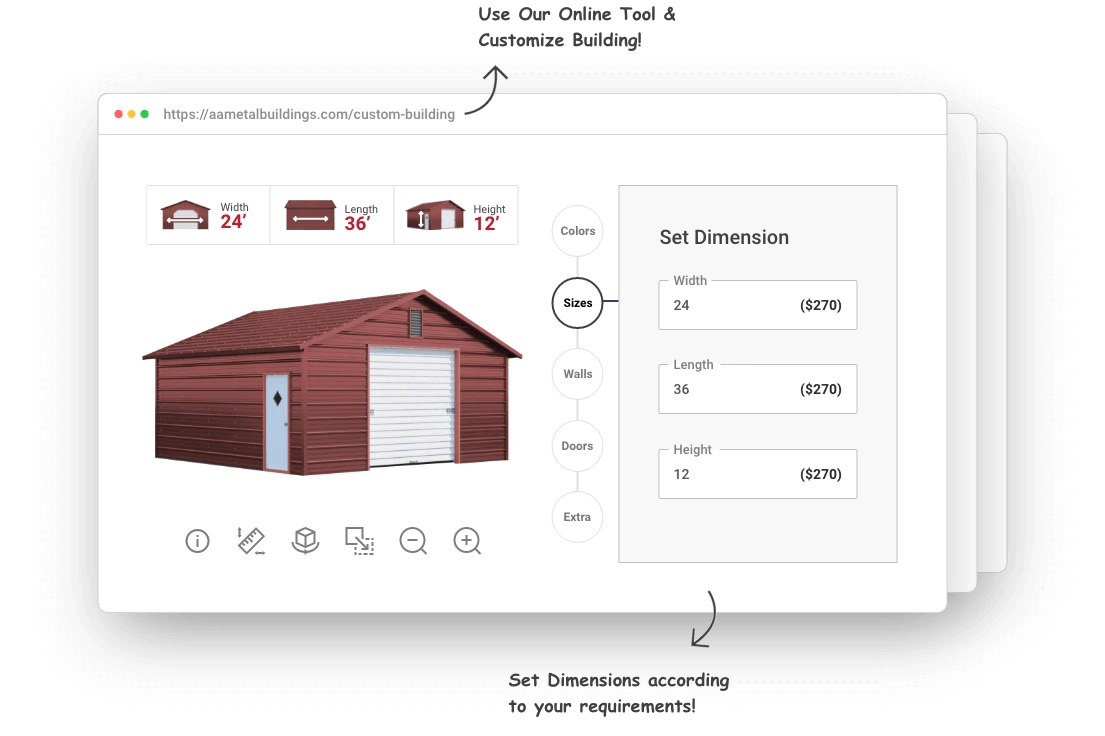
- Customization Creep — Insulation, overhangs, framed openings, color trims — they stack up fast. Just last week, I quoted a 40×60 base at $39K. Customer added insulation, framed doors, and custom gables — final came out around $53K. That’s not price gouging — that’s real-world material and labor.
Regional Price Differences in 2026
Here’s a quick look at what I’ve seen this year:
| Region | Avg. Installed Cost / Sq. Ft. | Notes |
|---|---|---|
| Midwest (MO, IL, KY) | $16–$22 | Best value right now |
| Southeast (GA, NC, AL) | $18–$24 | Strong demand, solid crews |
| Texas / OK | $17–$23 | Fastest lead times |
| Mountain West (CO, UT, MT) | $20–$28 | Delivery adds up |
| West Coast (CA, WA, OR) | $23–$30+ | Permits + codes drive cost |
If you’re in Florida, the Gulf Coast, or heavy-snow zones, add $3–$6 per sq. ft. for certified wind or snow ratings.
Are Steel Building Prices Going Up or Down?
Short version — sideways. Prices are steady. You’ll see small seasonal bumps, not swings. Standard garages and shops are up about 4–8% since January, and could rise again this fall if freight or fuel tighten. No crash on the horizon.
Should You Buy Now or Wait?
Here’s the straight talk:
- Building soon? Get your quote now — most dealers hold it 30–60 days.
- Financing it? Lock your rate; lenders are already tightening.
- Snow or hurricane zone? Order early — engineering & permits back up after July.
You might save a buck or two per sq. ft. by waiting, but delays eat that savings in re-quotes, site prep, or permit renewals.
Real Talk from the Field
A customer in Arizona waited 90 days thinking steel would drop.
First quote: $27,400.
Second quote, three months later: $31,200.
Freight went up, crews booked out. That “wait-and-see” cost him almost $4 grand.
He told me, “That was a $3,800 lesson in hesitation.”
Bottom Line
Prices aren’t tanking, and they’re not going back to 2020 levels. If your site’s ready and your financing’s lined up, lock your quote and get on the schedule. Steel, freight, and labor move fast — and waiting usually costs more than it saves.
At AA Metal Buildings, we work factory-direct with engineering that’s certified for your state’s wind and snow loads. If you’ve got a quote in hand and want a real opinion, send it our way — no pressure, no sales pitch. Just straight talk from folks who build these things every day.