How much does a metal carport cost in 2026?
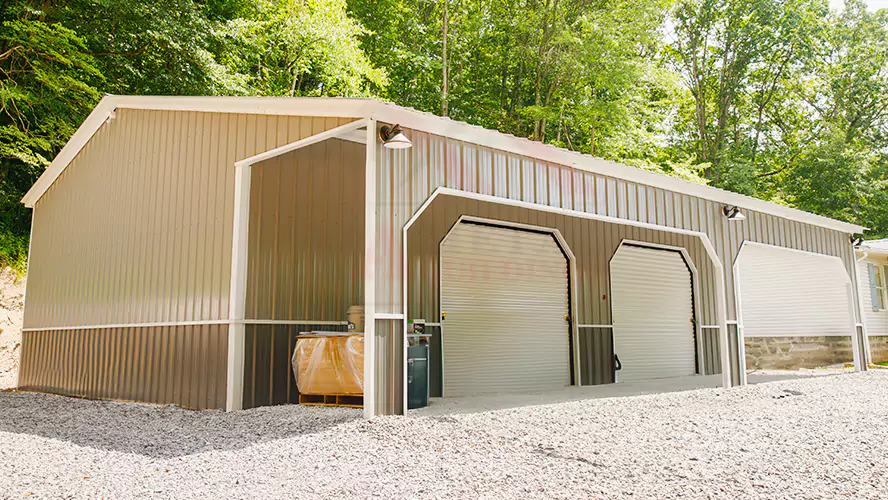
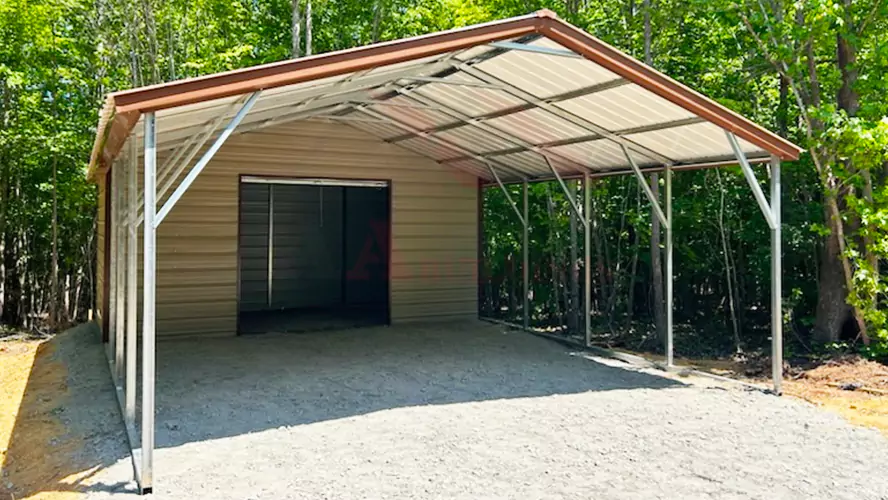
Most installed, open-sided metal carports in 2026 fall between $2,000 and $18,000. A basic 12×20 is often $2,400–$7,200, and a 20×20 commonly runs $3,200–$12,000. Price swings come from leg height, roof style (regular vs boxed vs vertical), and wind/snow certification tied to your ZIP code.
2026 metal carport prices by size
| Carport Size | Common Use | Typical 2026 Price Range |
|---|---|---|
| 12×20 | 1 car | $2,000–$7,200 |
| 18×20 | 2 cars (tight) / equipment | $2,900–$7,200 |
| 20×20 | 2 cars / SUVs | $3,200–$12,000 |
| 30×20 | 3 cars | $6,000–$18,000 |
| 40×20 | 4 cars / boat | $6,400–$16,000 |
| 18×36 | RV cover | $6,480–$19,440 |
These are ballpark installed ranges for open-sided builds on level ground. Height, roof type, and local wind/snow rules can push you toward the high end quickly.
What changes metal carport prices fastest (quick checklist)
- Going wider (span cost jumps faster than length)
- Going from standard height to truck/RV height
- Switching to a vertical roof
- Adding wind/snow certification for permits
- Adding sides, ends, doors, or full enclosure
Why metal carport cost varies by ZIP code (and why “same size” isn’t the same build)
People want one number because they’re budgeting. Totally fair. But a carport quote shifts the second the structure changes.
Same 20×20 footprint can be a basic cover in one county and a certified structure in another. Height matters too. A standard-height regular-roof carport is one price. Make it taller for a lifted truck, switch to a vertical roof, and add a wind-rated package for permits—now you’re shopping a different bracket.
Here’s the thing: most “price confusion” isn’t shoppers being dumb. It’s sellers advertising a base configuration and buyers assuming their setup matches that base. It usually doesn’t.
What an “installed” metal carport quote usually includes (and what it doesn’t)
Most installed pricing covers the steel delivered to your site and a crew putting it up—frame, roof panels, trim, and standard anchors matched to your ground type.
What usually isn’t bundled in:
- grading, leveling, or building up a pad with gravel
- removing trees, moving a fence panel, or clearing access for delivery
- permits and inspection fees
- concrete work (and fixing concrete that’s the wrong size or out of square)
If your spot isn’t close to level, that’s not a “small detail.” That’s the difference between a clean install and a long day.
Metal carport cost calculator formula (quick quote math)
Don’t try to turn this into a spreadsheet. Use it as a sanity check.
Estimated installed price =
Base price for size
- roof upgrade (boxed or vertical)
- height upgrade (taller legs)
- wind/snow certification package (if required in your area)
- enclosure add-ons (sides/ends/doors)
- delivery/crew travel difference (varies by ZIP)
How to use it without guessing yourself into trouble:
- Start with the size range from the table.
- If you need extra height, plan on the top half of that range.
- If you want a vertical roof and your county requires certification, don’t shop the low end.
- If you’re enclosing it, treat it like a different build category.
A 20×20 can land lower-end when it’s standard height, regular roof, open sides, easy site. That same 20×20 lands higher-end when it’s taller, vertical roof, certified wind/snow package, and you’re adding panels or doors.
The 5 questions I ask before I quote a metal carport (this is how pros price it)
If you want a quote that doesn’t get “revised” three times, answer these up front.
- What are you covering—exactly?
Make/model matters. A full-size truck and a compact car are not the same “2-car” reality. - What clearance do you need?
Not “about 10 feet.” Measure the tallest point. RV AC unit, roof rack, boat tower—those decide leg height. - What roof style do you want—regular, boxed, or vertical?
Roof choice changes material and labor. It’s one of the cleanest separators on price. - Do you need certification for wind/snow where you live?
If you’re pulling a permit, assume this comes up. In many places it changes the actual steel package. - What’s the site like—flat, sloped, tight access, concrete, gravel, dirt?
If the crew can’t reach the spot, or the pad drops several inches corner-to-corner, it’s getting addressed before steel goes up.
Answer those five and most “quote surprises” disappear.
What drives metal carport cost the most
Width and length
Square footage sets the baseline, but width is where prices jump faster. Going wider means the roof has to span farther without feeling flimsy. That takes more structure.
Length is usually more predictable. Add 5′ or 10′ and you’re adding legs, roof panels, and trim in a straight line.
If you’re trying to control cost, it’s often cheaper to add length than to push width.
Leg height (and the clearance mistake people keep making)
Standard-height units cost less because they’re shorter and stiffer. Once you go tall—truck clearance, boat towers, RV covers—you’re buying longer posts and more bracing so it doesn’t sway.
Also: leg height is not the same as clear opening height. Roof shape and bracing steal space. If you need true clearance, measure tall and leave breathing room. “Almost fits” turns into “doesn’t fit,” and then you’re re-ordering.
Regular vs boxed vs vertical roof (why vertical costs more)
- Regular roof is usually the cheapest. Fewer parts. Faster install.
- Boxed-eave (A-frame horizontal) costs more because it’s more framed-out and trimmed.
- Vertical roof costs more because it needs extra roof framing so panels can run ridge-to-eave.
If you deal with heavy rain, leaf mess, or snow, vertical roofs tend to age better. Less junk sitting on the roof. Less water hanging up on long runs.
Frame gauge (what buyers miss)
Thicker steel costs more because it’s more steel. Simple as that. Thicker frames also tend to feel tighter in the wind, especially in open areas with nothing breaking gusts.
A lot of cheap quotes get cheap by staying on lighter framing. Sometimes that’s fine on a sheltered site. Sometimes it’s the first thing you regret after one rough season.
Wind/snow certification (why ZIP code changes the quote)
This is the biggest reason the price shifts after you enter a ZIP code. Many counties want certified wind speed and/or snow load for permits. That often means upgraded bracing, anchors, and sometimes heavier framing. It’s not just paperwork.
Even within the same state, rules can change by county or town. Coastal wind zones, open farmland, mountain snow—those show up on the quote.
Delivery, crew travel, and site access
This isn’t a small parcel delivery. It’s a steel load and a crew. Remote locations, long travel, tight access, and soft ground can change the install plan and the cost.
If you’ve got a narrow gate, a steep slope, or a backyard that stays soggy, mention it early. It saves everyone time.
Anchors and bases: dirt vs gravel vs concrete (and why it affects price and performance)
People obsess over roof style and forget the part that holds the whole thing down.
- Dirt/soil installs usually use ground anchors (often mobile-home style anchors). Works fine when the soil is decent and the anchor layout matches the rating. Soft, wet ground can be a problem.
- Gravel pads can be good if they’re built right—compacted and level. Loose gravel over soft soil isn’t magic.
- Concrete is solid when it’s poured to the right size, square, and thickness. Then you’re using concrete anchors and you get a very clean, rigid base.
Two important notes from the field:
- Don’t assume “concrete means no problems.” I’ve seen slabs poured too small, out of square, or with edges that crumble where anchors need to bite.
- If your county requires a higher wind rating, anchoring requirements can change. That’s one reason certified packages cost more.
2 car carport cost in 2026 (18×20 vs 20×20, what to expect)
A “2-car carport” usually means 18×20 or 20×20.
- 18×20 can work, but it’s tight with modern trucks and SUVs.
- 20×20 feels more livable. Doors open. Mirrors aren’t always a fight.
Typical installed range for a 2-car setup is $2,900–$12,000, depending on roof type, leg height, and certification in your county.
If you drive full-size trucks, don’t get cute with width. You’ll pay once for the carport and then pay every day in annoyance.
How to save money on metal carports (and where saving backfires)
There are smart ways to keep cost down. There are also choices that look cheap on a quote and cost you later.
Smart ways to save
- Don’t buy extra height “just in case.” Height adds cost quickly.
- Stay open-sided if coverage is the goal. Enclosure is where the price really climbs.
- Keep the layout simple. Extra ends, extra panels, extra openings add parts and labor.
- Pick a size you’ll actually use. Buying too small is the most expensive “savings” there is.
Where saving backfires
- Skipping certification when your county requires it. That can stall permits and cause trouble after storm damage.
- Going too narrow. A 12′ wide unit might fit a truck, but living with it is another story.
- Choosing the cheapest roof style in an area where debris and snow are constant. Maintenance becomes your hidden bill.
Upgrades that actually change longevity
- Vertical roof in messy weather regions
- Proper wind/snow rated package where required
- Heavier framing in exposed sites
- Anchors matched to your ground and rating
Paint color doesn’t make it stronger. Steel and anchoring do.
Open vs enclosed metal carport cost (why enclosing raises the price)
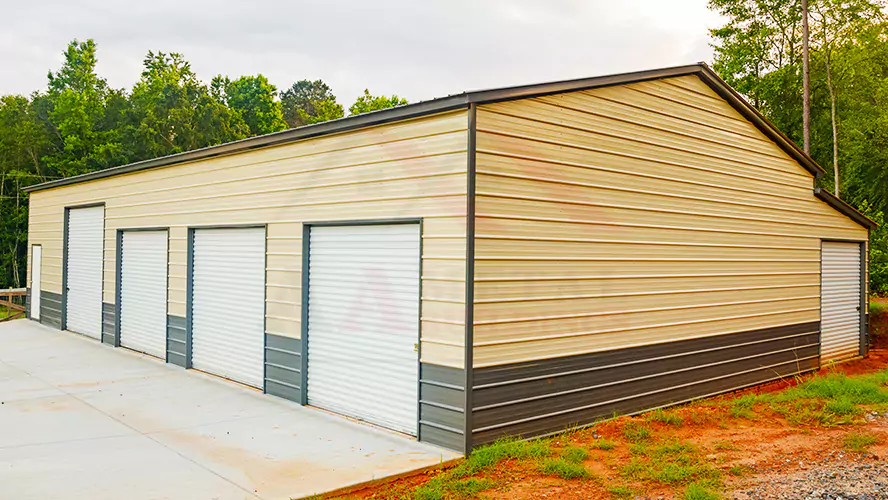
An open carport is a roof on posts. Enclosing adds wall panels, framing to carry those panels, more trim, and usually doors. That’s why the price jumps.
One side panel to block wind-driven rain is a smaller step. Full enclosure is a bigger move, and door choices matter: roll-up doors, framed openings, walk-in doors, and how wide/tall they are.
If you’re only after shade, keep it open and save the money. If you’re storing tools, equipment, or anything you don’t want wet or visible, partial enclosure is where a lot of people end up.
Common metal carport price mistakes (what I see buyers do)
Undersizing width
This is the regret I hear most. Buyers choose what looks good on paper, then mirrors and door swing punish them every day.
Forgetting height
Measure the tallest point, then give yourself room. Roof racks, RV AC units, boat towers—those decide the build.
Waiting too long to talk about certification
People shop a base price, then the quote jumps after the ZIP code. If you need permits, bring certification up early so you’re not reworking the whole plan later.
Pouring concrete too early
Concrete causes trouble when it’s poured before the final footprint and leg layout are confirmed. Then legs land off the slab, or anchors end up too close to the edge, or the pad isn’t square. Get the exact layout first.
Metal Carport Cost FAQs (2026)
How much is a 20×20 metal carport in 2026?
Most installed 20×20 open-sided carports run $3,200–$12,000, depending on roof type, leg height, and local certification requirements.
What’s the 2 car carport cost in 2026?
A typical 2-car size is 18×20 or 20×20, and installed pricing often lands around $2,900–$12,000 based on options and ZIP code requirements.
What’s the cheapest carport size?
Usually a basic 12×20 regular-roof, standard leg height, open sides. If your county requires certified wind/snow ratings, that can raise the starting point even on a small unit.
Is a vertical roof worth the extra cost?
If you deal with heavy rain, leaf mess, or snow, vertical roofs tend to be worth it. If your weather is mild and you don’t get buildup, regular or boxed can be fine.
Why did my quote change after entering my ZIP code?
Most of the time it’s wind/snow certification requirements, delivery/crew travel differences, or both. Your ZIP code can change the required rating, which can change the steel package.
Do I need a permit for a metal carport?
Depends on your local building department. Many areas require permits, especially for larger sizes or certified builds. If permits are common where you are, talk about it before you finalize the build.
How to save money on metal carports without regretting it?
Keep height reasonable, stay open-sided if shade is the goal, keep the layout simple, and buy the size you’ll actually use. The worst “savings” are skipping required certification or going too small.
What size carport should I get for a full-size truck?
A 12×20 can work, but it’s tight. Many truck owners are happier at 18′ width or more so doors open comfortably and you’re not scraping mirrors.
Get a straight metal carport price
If you want a clear number for your exact build, AA Metal Buildings can quote it based on size, height, roof style, and any wind/snow certification your area requires. Delivery and installation are available nationwide.