Buying a metal carport looks simple until you’ve lived with the wrong one. On paper, most of them look fine. Same steel, same roof, same dimensions. But once it’s on your property, the small decisions you rushed through are the ones you notice every day.
I’ve been around metal buildings and carports for close to two decades now. I’ve seen people thrilled with what they bought, and I’ve seen folks frustrated because something “should have worked” but didn’t. Most of those problems weren’t caused by bad steel. They came from bad planning — wrong height, wrong layout, wrong expectations.
Here’s the thing: a carport isn’t just about covering a vehicle. It’s about clearance, access, wind, drainage, and how you actually move around your equipment. This guide is the same advice I give when someone calls and says, “I don’t want to mess this up.” If you take the time to think through these points now, you’ll avoid the headaches that usually show up later.
What a metal carport really is (and what people misunderstand)
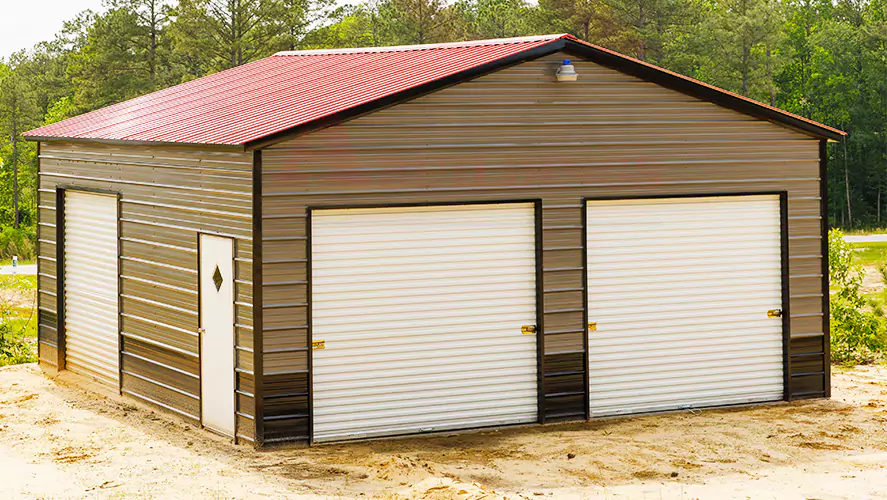
A metal carport is a steel-framed structure with a metal roof that gives you weather protection without the cost or commitment of a fully enclosed garage. The real decision isn’t just open versus enclosed — it’s clearance, anchoring, roof style, and whether the layout still works when your needs change.
Most regrets don’t come from buying a carport. They come from buying one that technically fits, but doesn’t work day to day.
Quick checklist before you price anything
- What is the tallest thing you will ever park under it, including racks or trailers?
- Do you need full drive-through access or protection from sideways rain?
- How wide do doors actually need to open for daily use?
- What are you anchoring to: dirt, gravel, asphalt, or concrete?
- Is wind or snow the bigger problem where you live?
- Is there any chance you’ll want walls or doors later?
- Can an installation truck reach the site without tearing up your yard?
Open, partially enclosed, or fully enclosed — the real differences
Open carports
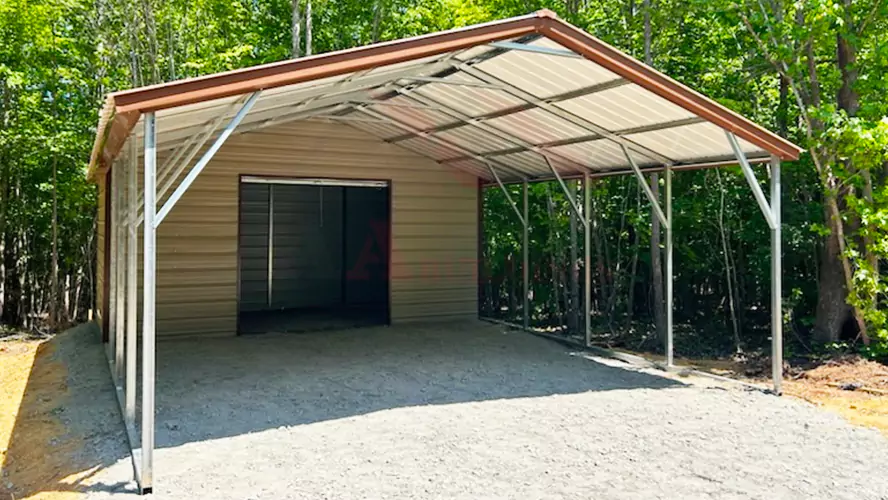
Open carports are the simplest option: posts and a roof. They block sun, hail, and straight-down rain. In calm areas, they work great. In open fields or windy locations, they leave vehicles exposed from the sides. I’ve had customers swear they didn’t need sides — until the first hard storm came through at an angle.
Partially enclosed carports
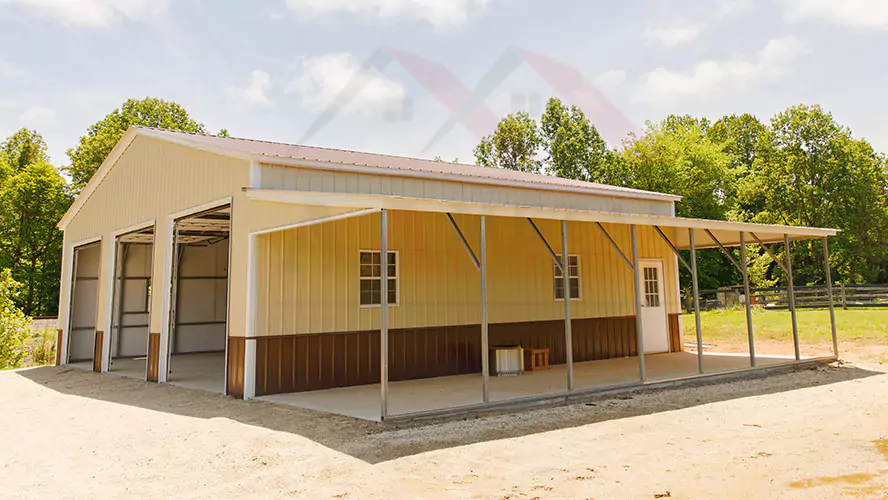
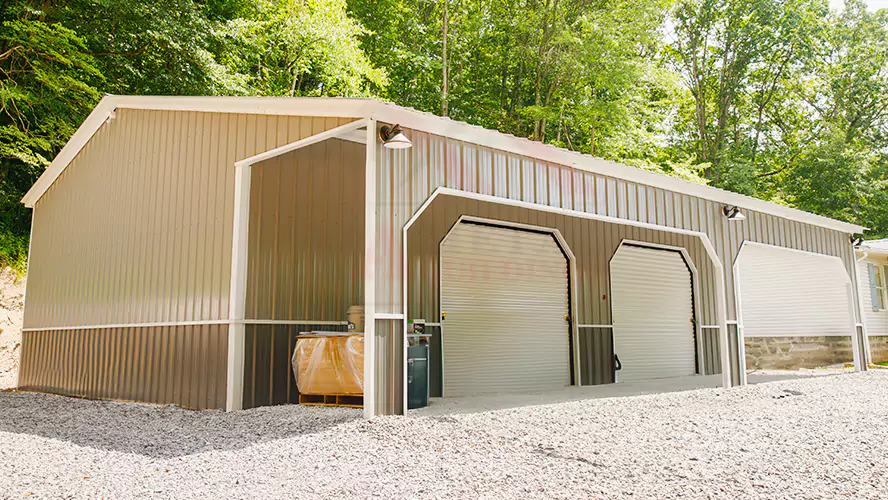
This is the setup I recommend most often. One side panel, two side panels, or an end wall changes everything. You still have airflow and access, but you cut wind-driven rain and snow dramatically. It also makes the space more usable for storage without fully closing it in.
Fully enclosed carports
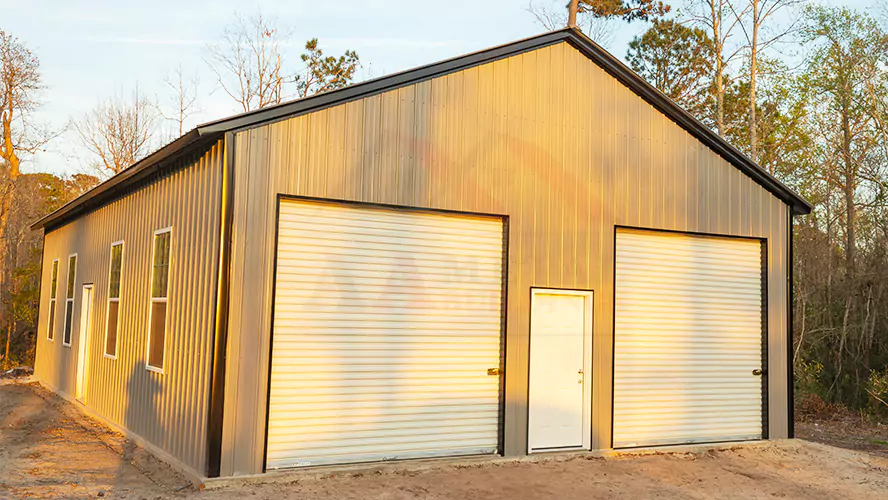
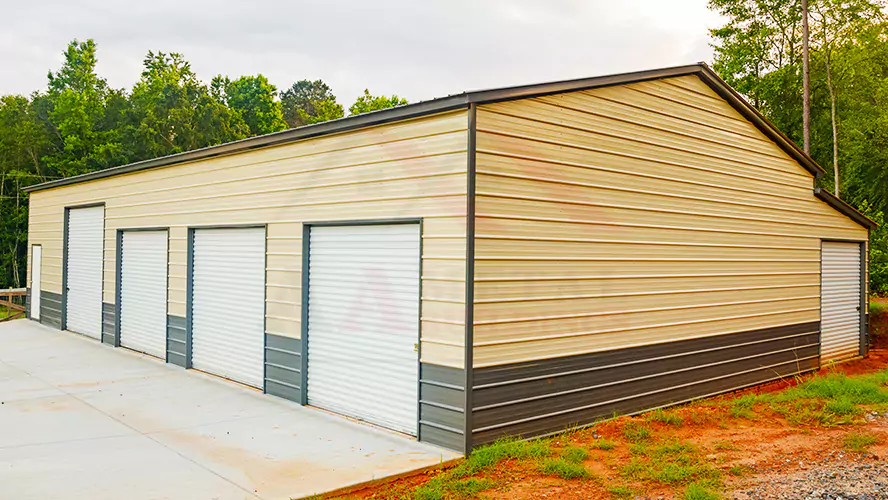
Once you add all walls and doors, you’re close to garage territory. You gain security and weather protection, but now details matter more: door openings, ventilation, interior clearance, and condensation control. Enclosed only works better if it’s designed right from the start.
Size planning: why “it fits on paper” isn’t enough
A car fitting under a roof doesn’t mean it fits comfortably. People almost always underestimate how much space they need to live with the structure.
- Single car: 18–20 feet wide feels comfortable
- Two vehicles: 22–24 feet minimum
- Full-size trucks: 25–30 feet long is common
- Trailers or equipment: measure tongue length, not just tires
Doors swinging open, mirrors, toolboxes, walking space — all of that adds up. Tight layouts are the number one complaint I hear after installation.
Height and clearance: where most mistakes happen
This is the most common miscalculation. Roof height is not the same as usable clearance. The lowest point is usually the truss or header, not the peak.
- Most cars and SUVs: 8–9 feet of clear height
- Enclosed trailers: often 10–11 feet
- RVs and equipment: 12 feet or more
I once had a customer insist his trailer was “about nine feet tall.” We measured it at just over ten. If we hadn’t checked, it wouldn’t have cleared the opening.
Roof styles and why vertical roofs age better
There are three common roof styles:
- Regular: rounded edges, lowest cost
- Boxed-eave: squared edges, cleaner look
- Vertical: panels run top to bottom
In heavy rain or snow areas, vertical roofs simply last longer. Water and debris shed naturally instead of sitting on horizontal seams. I’ve seen boxed roofs do fine in mild climates, but in harsher weather, vertical roofs mean fewer leaks and fewer callbacks.
Steel, framing, and what actually carries the load
People focus on panel gauge because it’s easy to compare. In reality, the framing does most of the work. Posts, trusses, spacing, and anchoring matter more than shaving a gauge number on siding.
Certified builds typically space legs closer together and use heavier framing in wind-rated areas. Cheap structures often stretch spacing to save steel. That’s where failures start.
Foundations and anchoring: no shortcuts here
Your carport is only as strong as what it’s tied to.
- Ground installs: anchors must match soil conditions
- Gravel: needs compaction and edge control
- Asphalt: requires proper thickness and anchor type
- Concrete: thickness, cure time, and anchor placement matter
I’ve seen slabs poured before anchor layouts were confirmed. Anchors ended up too close to the edge, and we had to redesign on site. That’s an avoidable mistake with a little planning.
Condensation and airflow (often ignored, always noticed later)
Metal sweats. Especially in humid or temperature-swing regions. Open carports breathe naturally. Enclosed ones don’t unless you plan for it.
Ventilation, insulation, or both can prevent dripping and rust over time. If you’re enclosing a structure in the South or Midwest, this deserves attention upfront.
Planning for future changes
Many buyers say they’ll never add walls or doors. A lot of them change their mind.
If there’s even a chance you’ll upgrade later:
- Choose a roof style that supports enclosure
- Plan wall height with future doors in mind
- Leave space for access and expansion
Retrofitting costs more than planning ahead.
Common sizes and how people actually use them
| Size | Best Use | Real-World Notes |
|---|---|---|
| 12×20 | Compact car | Tight for daily use |
| 18×25 | SUV or pickup | Comfortable |
| 22×30 | Two vehicles | Most popular |
| 24×35 | Truck + storage | Room to move |
| 30×40 | Equipment / shop | Multi-purpose |
Cost logic (not pricing)
| Type | Relative Cost | Best Fit |
|---|---|---|
| Open | Lowest | Basic weather cover |
| Partial | Mid | Wind protection |
| Enclosed | Highest | Security & storage |
FAQs buyers actually ask
How long will a metal carport last?
Decades with proper anchoring and basic maintenance.
Do I need a permit?
Often yes, especially for enclosed units. Rules vary by county.
Can I move it later?
Some can be relocated, but it’s not simple.
Carport or garage?
Carports breathe better. Garages offer security.
Will it handle snow or wind?
Only if it’s rated for your location.
Is cheaper always worse?
Cheap designs fail more often than cheap steel.
Final thoughts from the field
Most problems don’t come from bad materials. They come from rushed decisions. Height, clearance, layout, anchoring — get those right, and even a simple carport does its job well for years.
If you want help planning a custom steel carport that actually fits how you use your space, the team at AA Metal Buildings can walk you through the options without pushing you into something you don’t need.