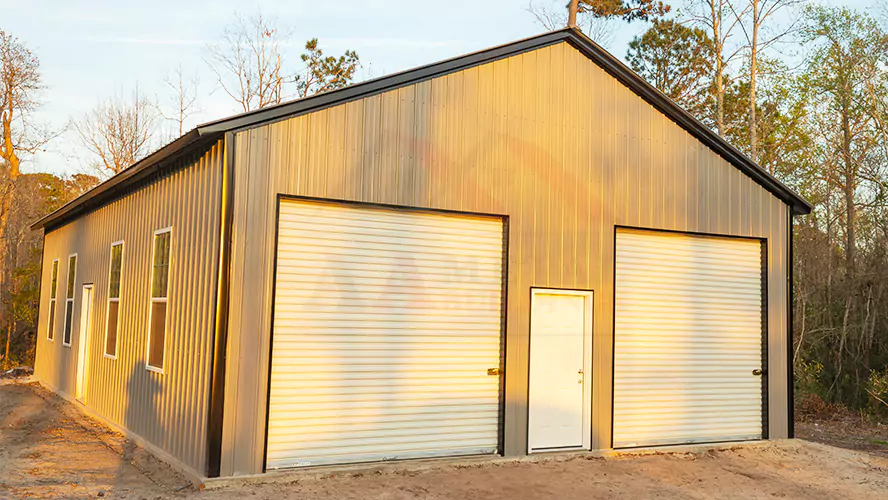
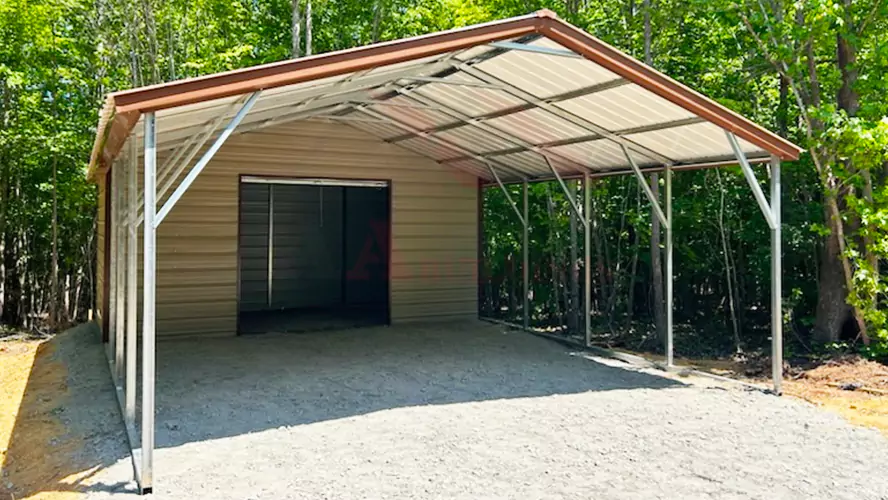
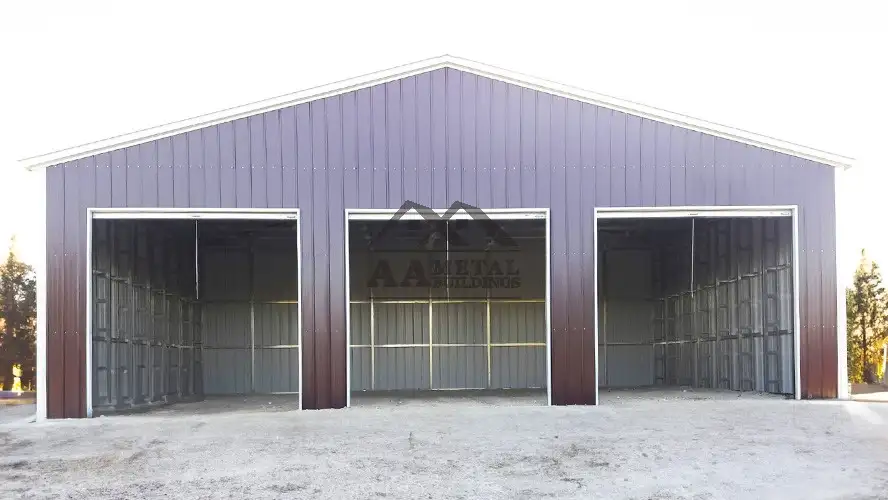
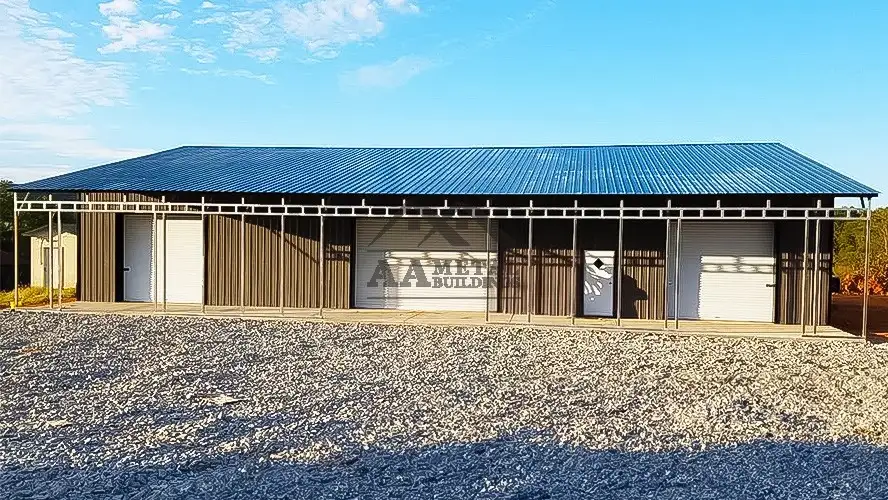
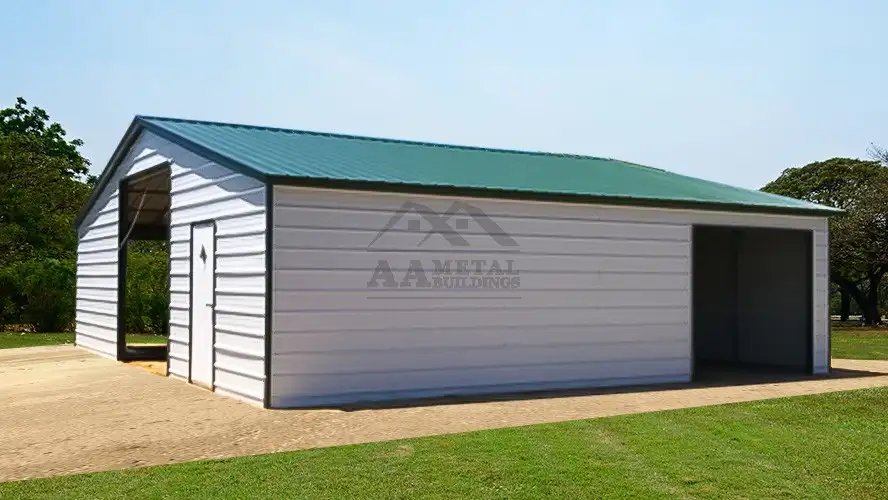
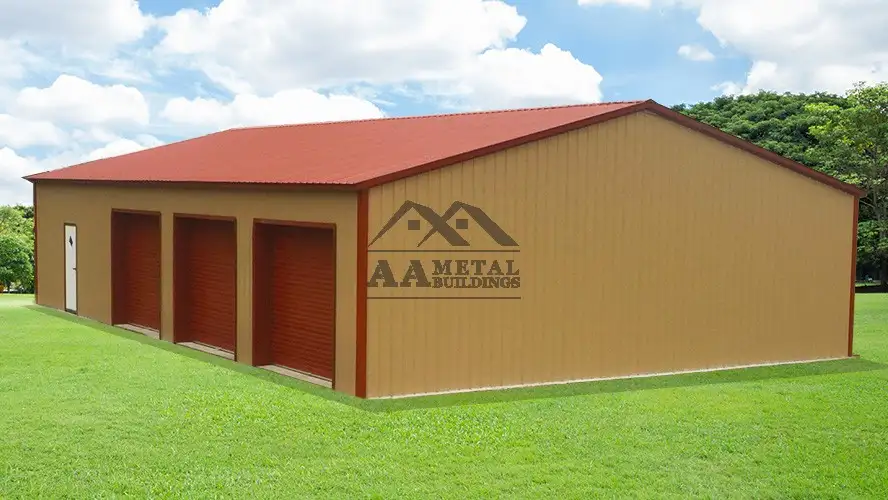
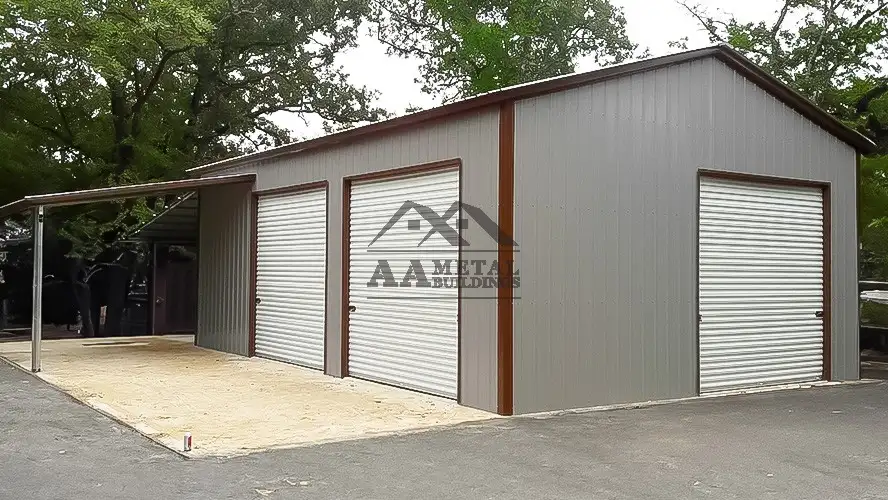
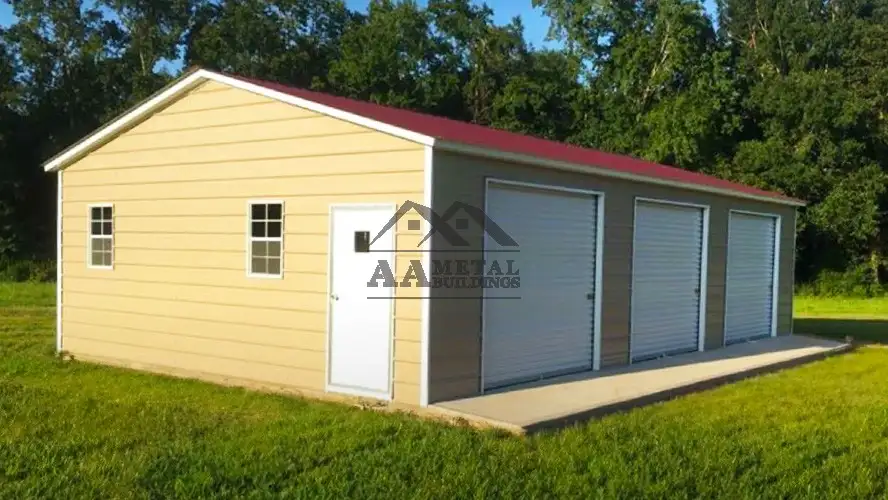
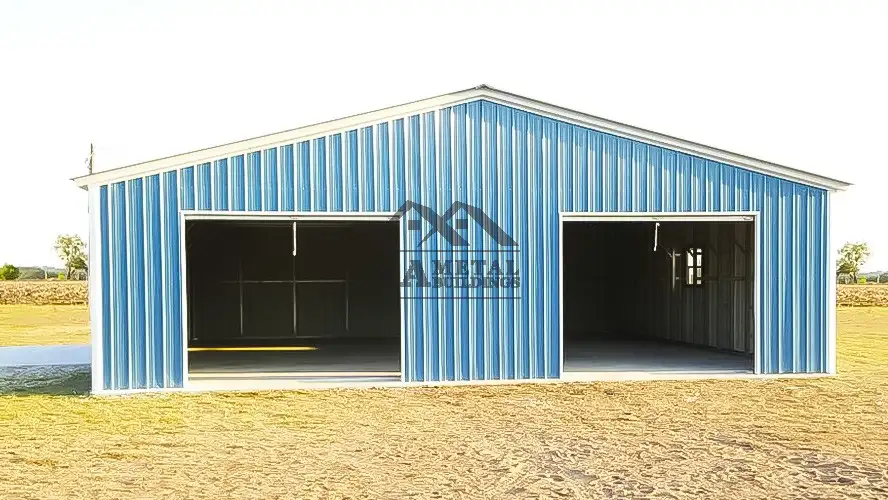
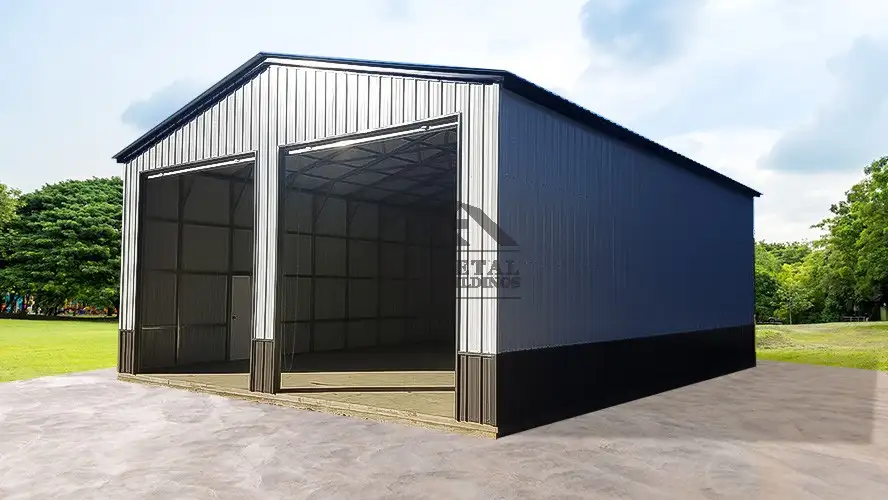
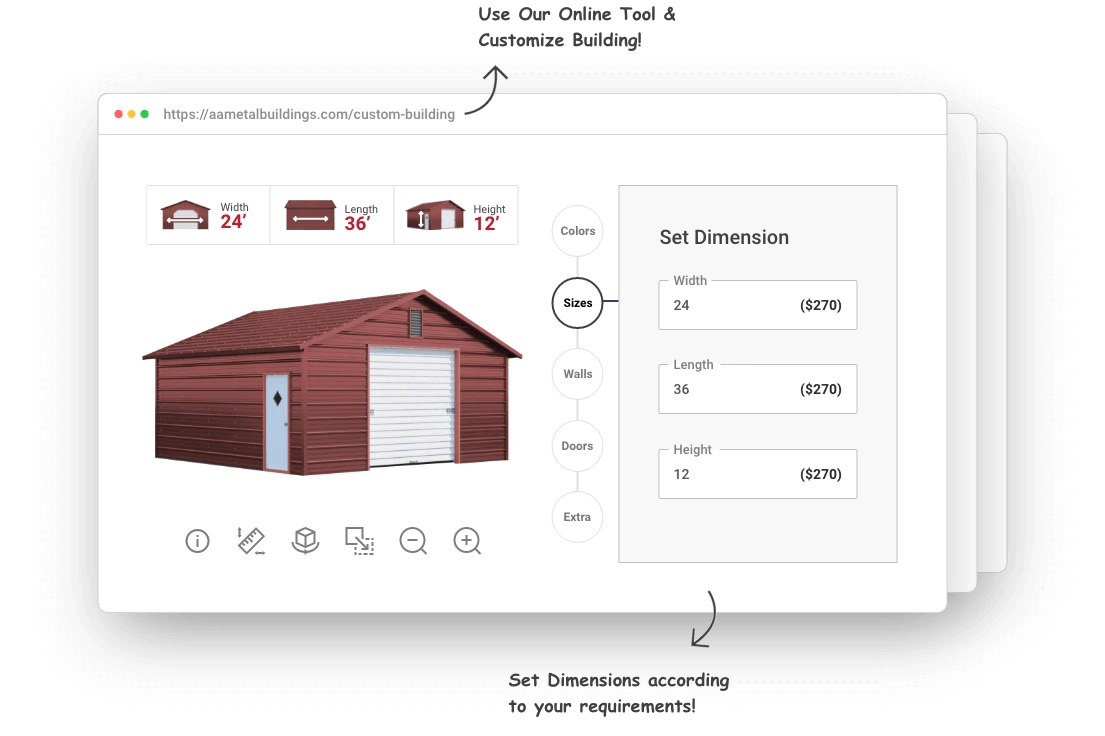
If you’ve been pricing a metal building in Texas, you’ve probably already noticed something.
The numbers are all over the place.
One quote looks cheap. Another one comes in a lot higher. Then you start comparing them and find out one company priced the steel package only, another included installation, and a third left out the slab, site prep, or upgraded wind engineering.
That’s why buyers get frustrated.
A metal building in Texas is not priced by square footage alone. The final number changes based on the jobsite ZIP code, wind load, permit path, building width, door layout, concrete scope, and whether the property is in a standard inland area or a tougher coastal zone.
How Much Does a Metal Building Cost in Texas?
For a basic metal building package in Texas, many buyers will land somewhere around $15 to $25 per square foot for the material package only. A simple installed shell often falls around $24 to $40 per square foot on a straightforward inland project. A more complete job with concrete, insulation, upgraded doors, and more site work will usually cost more.
That’s the fast answer.
Here’s the more useful answer.
You need to know what the quote includes.
A package-only quote is not the same as an installed shell. An installed shell is not the same as a full project with slab, doors, insulation, and jobsite prep. Most price confusion starts right there.
| Quote Type | What It Usually Includes | Typical Texas Range |
|---|---|---|
| Building package only | Steel frame, panels, trim, engineered components | $15–$25/sq ft |
| Delivered package | Building package plus freight | Varies by location |
| Installed shell | Package, delivery, erection | $24–$40/sq ft |
| More complete project | Shell, concrete, doors, insulation, some site work | Usually higher than shell pricing |
If two companies are not quoting the same scope, the comparison means nothing.
Real-World Texas Metal Building Price Examples
Buyers usually want examples, not theory.
That makes sense.
These are not final prices for every site. But they are the kind of starting ranges that help people understand the difference between a small basic job and a more complete project.
| Building Size | Typical Use | Basic Package Starting Range | Installed Shell Starting Range |
|---|---|---|---|
| 24×30 | Garage or small storage | $10,800–$18,000 | $17,000–$28,000 |
| 30×40 | Workshop or equipment storage | $18,000–$30,000 | $29,000–$48,000 |
| 40×60 | Shop, garage, or light commercial use | $36,000–$60,000 | $58,000–$96,000 |
| 50×100 | Large shop, warehouse, or commercial shell | $75,000–$125,000 | $120,000–$200,000+ |
Those ranges are most useful for standard inland jobs.
If the property is near the coast, has difficult access, needs heavier concrete, or includes a lot of framed openings, those numbers can move up fast.
Why One 40×60 Quote Can Be Thousands Higher Than Another
This is one of the biggest problems in the Texas market.
A buyer gets two quotes for the same size building and assumes the numbers should be close.
Sometimes they are.
A lot of times they aren’t.
That’s because two 40×60 metal buildings can be completely different jobs.
One might be a basic enclosed shop on level ground in a standard inland wind zone with one overhead door and one walk door. The other might need higher wind engineering, multiple framed openings, insulation, a thicker slab, and a permit package for a city job.
Same dimensions.
Different price.
Width changes steel faster than length
Most buyers focus on square footage.
But width is often what changes the structure the most.
A wider clear span means the primary frames have to do more work. That usually means more steel, heavier framing, and a higher price per square foot than a narrower building.
That’s why a 50×60 building can jump harder than buyers expect.
Length usually adds cost more gradually. Width is where the bigger structural jumps happen.
Door layout changes the engineering
A door is not just a door.
A large roll-up door in the sidewall changes the frame differently than the same door in the endwall. Multiple large openings close together can add steel and labor. Taller doors can force changes in eave height or framing detail. Windows, storefront sections, lean-tos, and canopies all add material, trim, and labor too.
That’s why a buyer who says “I just need a few doors” can end up changing the whole quote.
Concrete and site prep can change the project more than the steel
The building package gets the attention.
The site work gets the surprises.
If the lot needs grading, fill dirt, drainage work, thicker edges, extra base, or better access for the crew and equipment, the project price moves. A simple site can save real money. A bad site can eat a budget fast.
That’s why your neighbor’s price is usually not a useful benchmark.
He didn’t have your site.
| Price Driver | Why It Changes Cost |
|---|---|
| Wider clear span | Heavier primary frames and more steel |
| Larger door openings | More framing and labor |
| Taller eave height | More wall steel, longer panels, stronger frame demands |
| Insulation package | Adds material, trim detail, and labor |
| Slab and site prep | Can rival or exceed shell cost on difficult sites |
| Coastal engineering | Heavier design and stricter requirements |
Texas Wind Load Is One of the Biggest Pricing Factors
Texas is not one pricing zone.
That matters more than a lot of buyers realize.
Most inland Texas jobs stay in standard pricing territory
In places like Dallas-Fort Worth, Austin, Waco, Tyler, Temple, Abilene, and much of inland Texas, many buyers stay in the more standard design range.
That does not mean wind load goes away.
It still matters.
But inland jobs are usually more predictable from a pricing standpoint because they do not carry the same coastal engineering burden that shows up closer to the Gulf.
A basic 30×40 shop in an inland market is often a cleaner job to quote, permit, and install.
Coastal counties almost always need heavier engineering
Once you get into coastal markets like Galveston, Freeport, Rockport, Port Lavaca, or Corpus Christi, the job changes.
That same 30×40 building may need heavier framing, stronger connections, more attention around openings, and a different paperwork path depending on the property.
That is where low teaser quotes usually fall apart.
A number that looked fine for an inland site may not hold once the real coastal address gets checked.
TWIA-related jobs need to be handled right from the start
If the property is in a coastal windstorm area, the building needs to be treated correctly from day one.
This is not something to figure out after the order.
It needs to be addressed when the building is being quoted and engineered.
That’s why the first useful question is not just “what size building do you want?”
It’s “what ZIP code is the project in?”
| Texas Location Type | What Buyers Usually Run Into |
|---|---|
| Inland metro and rural areas | More standard engineering and smoother pricing |
| High-wind inland pockets | Upgraded design loads depending on site |
| Coastal counties | Heavier engineering and higher building cost |
| TWIA-related coastal properties | Extra attention to code, certification, and paperwork |
Permit Rules Change All Over Texas
A lot of buyers assume Texas is loose on permits.
Sometimes it is.
Sometimes it absolutely is not.
The answer changes based on the county, the city, whether the property is inside city limits, and what the building is actually being used for.
City jobs usually involve more review
Inside city limits, expect more structure.
That can mean site plans, engineered drawings, setback review, drainage comments, inspections, and fire access questions. Even simple shops can trigger more review if the city sees the use as commercial, mixed-use, or something tied to public access.
That does not make the job bad.
It just means the paperwork usually needs to be tighter.
County jobs can be easier, but not always simpler
County property outside city limits can be easier in some parts of Texas.
But easier does not mean no rules.
Floodplain issues, driveway access, utility work, development restrictions, or use classification can still affect the project. A residential storage building, an ag building, and a commercial warehouse are not always treated the same way.
That’s why buyers get into trouble when they assume a county job is automatically permit-free.
Permit delays usually come from missing details
A lot of schedule problems start with incomplete information.
- Wrong setbacks.
- Wrong use description.
- Missing site plan.
- Drainage issue caught late.
Building ordered before the local review questions were handled.
That is how jobs get delayed.
Real Installation Timelines in Texas
Everybody wants the building up fast.
That part is fair.
But the full project timeline is usually controlled by engineering, permits, concrete, site readiness, and delivery logistics long before the crew starts standing steel.
The erection phase is usually the shortest part
If the slab is ready, the site is accessible, and the building package is correct, the shell can go up pretty quickly.
A small garage or shop may be erected in a short window. A midsize building can also move along well if the project was planned correctly.
That’s the part buyers picture.
Truck shows up. Steel gets unloaded. Frames go up.
And yes, that part can move efficiently.
Most delays happen before the crew ever starts
The bigger schedule issues usually happen earlier.
- Engineering revisions.
- Permit review.
- Site prep delays.
- Concrete scheduling.
- Wet ground.
- Late owner changes.
That’s what stretches a timeline.
A clean inland job with a ready site can move much faster than a coastal or city-reviewed job that keeps changing scope.
| Project Stage | What Usually Happens |
|---|---|
| Quote and design | Building size, layout, wind requirements, and scope are nailed down |
| Engineering and approvals | Drawings, site checks, and permit steps get handled |
| Concrete and prep | Site is graded, slab is poured, access is prepared |
| Delivery and erection | Steel arrives and the shell goes up |
| Final add-ons | Doors, trim, insulation, and finishing details are completed |
Common Buyer Mistakes That Cost Real Money
You do not need to be an expert to make a good decision.
But you do need to avoid the mistakes that keep showing up.
Shopping only by the cheapest square-foot quote
This is the biggest one.
If one number leaves out installation, slab, freight, upgraded wind design, or key accessories, it may look cheaper while actually being the weaker deal.
A cheap quote only helps if it covers the real scope.
Not giving the real job details up front
If the estimator does not have the ZIP code, the use, the opening layout, and a clear idea of what needs to be included, the first quote is usually just a placeholder.
That is why buyers sometimes think the price “changed” when the original number was never a fully built-out quote to begin with.
Guessing on door size and building height
This happens constantly with workshops, RV storage, tractor storage, and equipment buildings.
The buyer prices one door size, then later realizes the opening should be taller or wider. Or they forget to account for interior clear height once lights, framing, or equipment clearance comes into play.
Those changes are easy before engineering.
They are not easy after.
Waiting too long to check the site
A lot of headaches show up because the site was never really ready.
Drainage issue.
Bad access.
Floodplain restriction.
Need for extra fill or base.
That is where budgets and schedules get hit.
How to Get an Accurate Texas Metal Building Quote
If you want a quote that actually means something, give the contractor enough information to price the job correctly.
Start with the ZIP code.
The actual address is even better.
After that, give them the details most buyers leave out.
| Information to Provide | Why It Matters |
|---|---|
| ZIP code or site address | Ties the quote to real wind and permit conditions |
| Width, length, and height | Sets frame size and panel quantities |
| Building use | Affects design, doors, and permit path |
| Door and window layout | Changes framing and labor |
| Fully enclosed or partially open | Affects structural design and pricing |
| Need for slab and installation | Separates package price from project price |
| Insulation needs | Changes material and labor scope |
| Desired timeline | Helps spot permit or scheduling issues early |
That is how you get a real number.
Not a teaser number.
Not a half quote.
A real number based on the actual job.
FAQ: Texas Metal Building Pricing Questions Buyers Ask First
How much does a 30×40 metal building cost in Texas?
A basic 30×40 building package often starts somewhere around the high teens to low thirty-thousand-dollar range depending on design and location. A simple installed shell is usually higher. Once you add concrete, doors, insulation, and site work, the project total can move up quite a bit.
Are metal buildings more expensive near the Texas coast?
Yes, they often are.
Coastal jobs usually need heavier engineering and can involve stricter code and windstorm-related requirements. That pushes the building cost up compared to a similar inland project.
Do I need a permit for a metal building in Texas?
A lot of the time, yes.
But the real answer depends on the city, county, property location, and building use. Some county jobs are more flexible. City jobs are usually more structured.
What costs more: the steel package or the whole project?
The whole project.
The steel package is only one piece. Concrete, site prep, delivery, installation, permits, and upgrades can move the total much more than first-time buyers expect.
What is the first thing a contractor needs to price a Texas metal building correctly?
The ZIP code.
That’s the fastest way to tie the quote to the right wind conditions, permit path, and real project requirements.
Get a Texas Metal Building Quote Based on Your ZIP Code
A texas metal building quote should be based on the real site, the real use, and the real scope.
Not just a rough size and a low number someone tossed out over the phone.
If you want a straight answer, we can quote your building based on your ZIP code, the type of building you need, and what you actually want included. We cover projects across Texas, and we can help with free delivery, free installation, and rent-to-own options on qualifying buildings.