




I’ve been at this long enough to know one thing: almost nobody goes big enough the first time.
I had a guy in Texas call me six months after we put up his 20×20. At the time, it fit his SUV and his wife’s car. Then his son bought a truck. Then they picked up a fishing boat. Now? He’s parking half his stuff outside and wishing he’d gone 30×40.
Once that slab’s poured, changing your mind is expensive. That’s why I tell folks: measure what you own now, but build for what you’ll have down the road.
Step 1: Know What You’re Parking
Garages aren’t just for cars anymore. They hold trucks, boats, side-by-sides, gym gear, freezers, and even your kid’s dirt bikes.
Here’s what I recommend based on what I’ve seen on jobsites:
Standard Cars & Compact SUVs
– Size: 12×20 minimum, 12×24 if you want to breathe
– Door: 8’ wide × 7’ high
– Legs: 8’
A 2022 Honda Accord is just under 16’ long. That leaves you about 4’ in a 20’ deep garage—barely enough to walk past with a mower.
Full-Size SUVs & Half-Ton Pickups
– Size: 14×25 or 16×30
– Door: 9–10’ wide × 8’ high
– Legs: 9–10’
A new Chevy Suburban runs 18’9”. A crew cab F-150 can push 20’. If you try to fit that into a 20 garage, you’ll be kissing the wall with your bumper.
Contractor Trucks & Trailers
– Size: 16×35 or 20×40
– Door: 10×10 or 12×12
– Legs: 10–12’
I built a 20×40×12 for a rancher in Oklahoma. He parks his Ram 3500 dually and a 20’ gooseneck inside with room to unload hay. Try doing that in a 24×25—you’ll hate life.
Step 2: Don’t Settle on Short Height
This is where people get burned. A 7’ door is fine for cars. Try driving a lifted Jeep with a roof rack through it—you’ll rip the lights off.
Rule of thumb:
– 8’ door → 9’ legs
– 10’ door → 11’ legs
– Side wall doors → add 2’ legs because of the roof pitch
I had a camper owner in Georgia order a 12-foot-tall building for a Class A. He forgot to measure the rooftop A/C. First day, it scraped the trim. We had to redo the door frame.
Step 3: RV & Camper Garages
Class A coaches hit 13’ tall easily. Fifth wheels are often 35’ long. Don’t guess—measure from the ground to the tallest point, then add 2’.
– Motorhomes: 20×50×16 with 14×14 door
– Fifth wheels / Travel trailers: 18×40×14 with 12–14’ door
If you want to open slide-outs inside, go at least 20’ wide. Anything less and you’ll be climbing sideways with a flashlight.
Step 4: Turning & Door Setup
Think about how you’re pulling in. Straight shot from the road? Great. Tight turn from a gravel drive? You’ll want more width.
– One 16’ door = works for small cars
– Two 9’ doors = better flexibility
– RVs = 12–14’ wide, no center post
Don’t just size for parking. Picture unloading groceries in the rain or dropping the tailgate.
Step 5: Plan for the ‘Stuff Wall’
Every garage gets one. Shelves, bins, gear stacked high. If you don’t account for it, your car will end up in the driveway.
– Add 5–10’ depth if you want shelves or a workbench
– Add 4–6’ width if you need freezer, cabinets, or gym gear
Cheaper to pour a bigger slab now than to wish later.
Final Word: Go Bigger Than You Think
Nobody has ever told me, ‘Man, I wish I had built a smaller garage.’ I’ve had plenty of calls back wishing they’d gone up a size.
If you’re stuck between 24×25 and 30×30, do yourself a favor: go 30×30. Future you will thank present you.
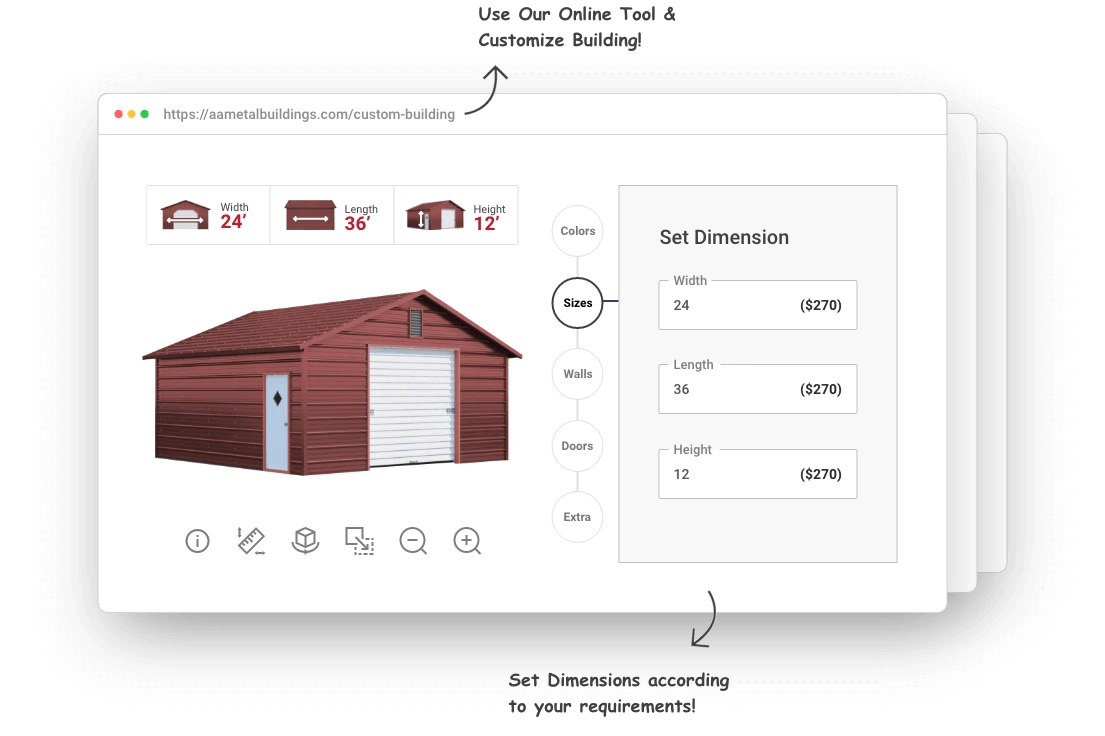
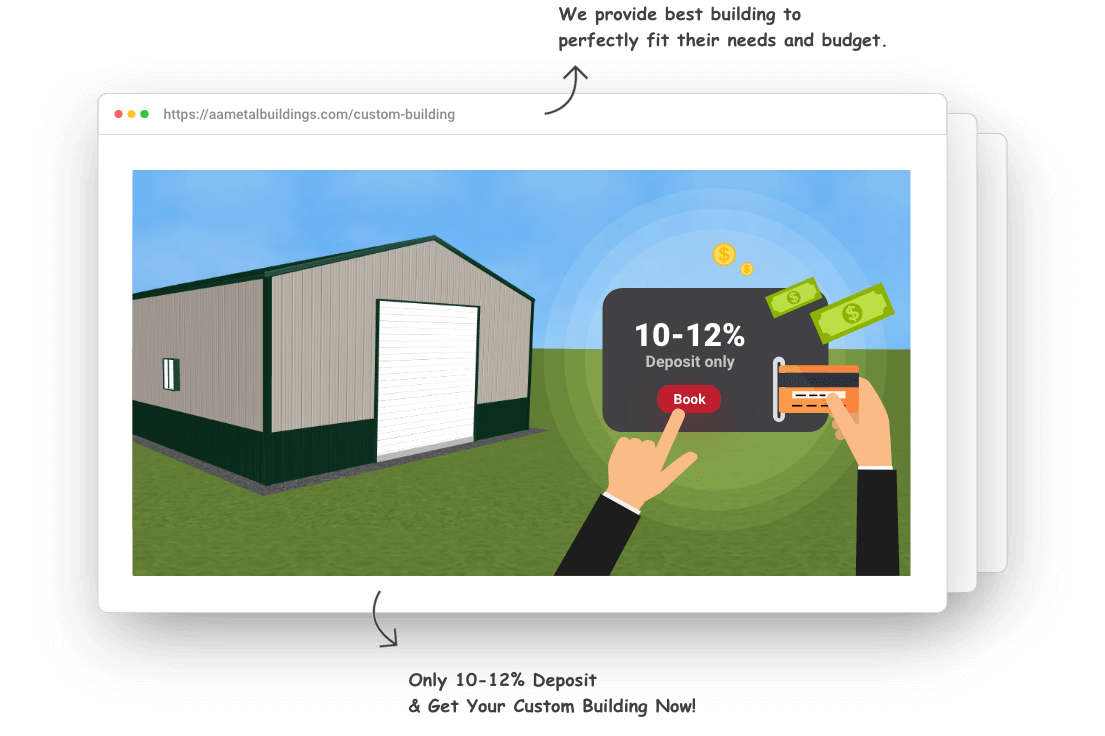
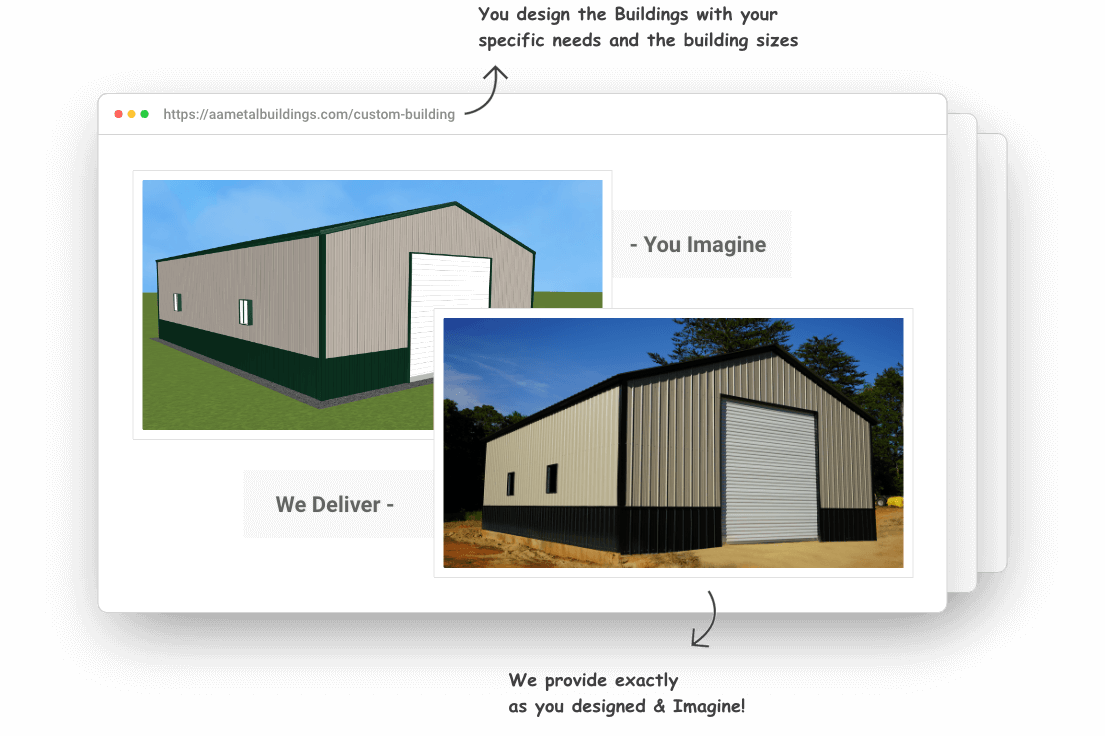
And if you’re not sure, hop on AA Metal Buildings’ 3D estimator. Play with sizes, drop in your truck or RV, and see how it really fits.