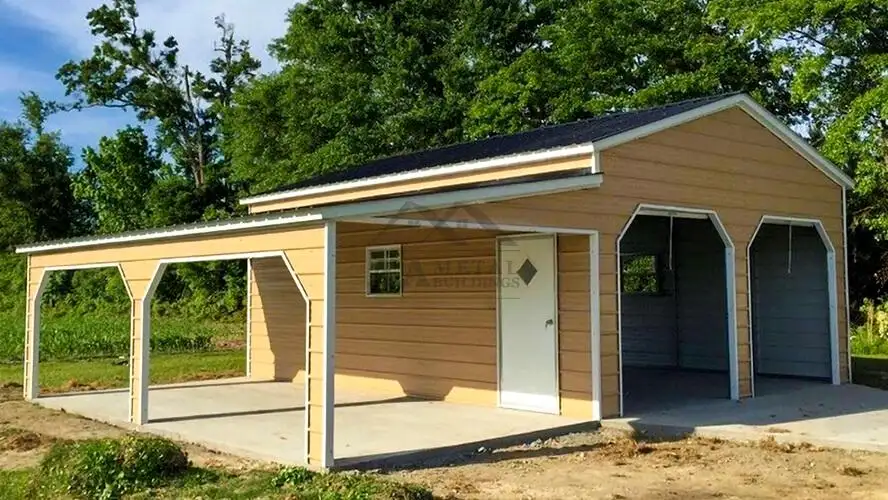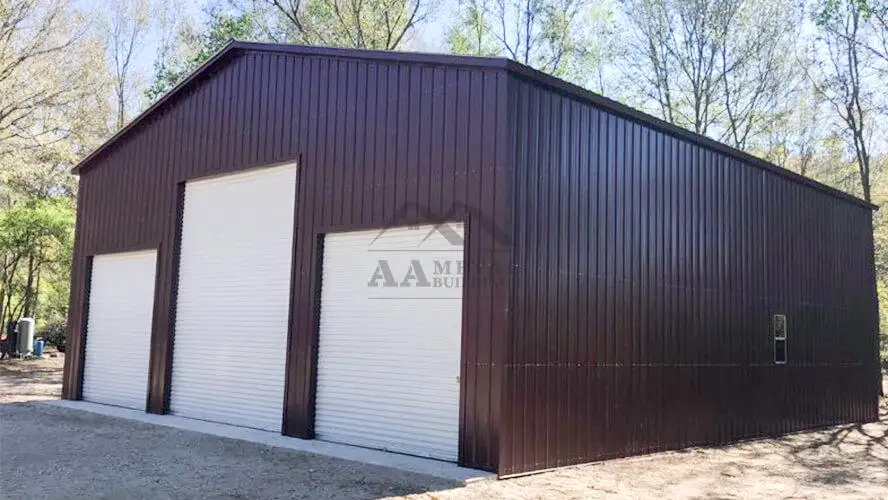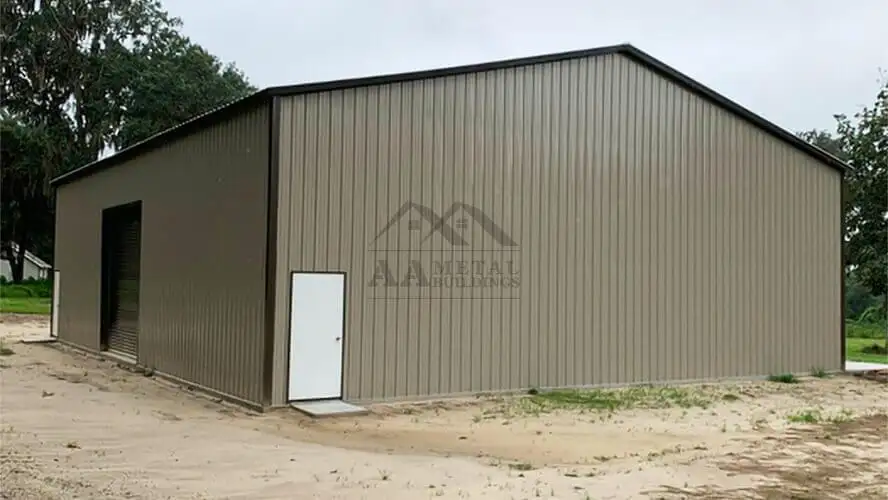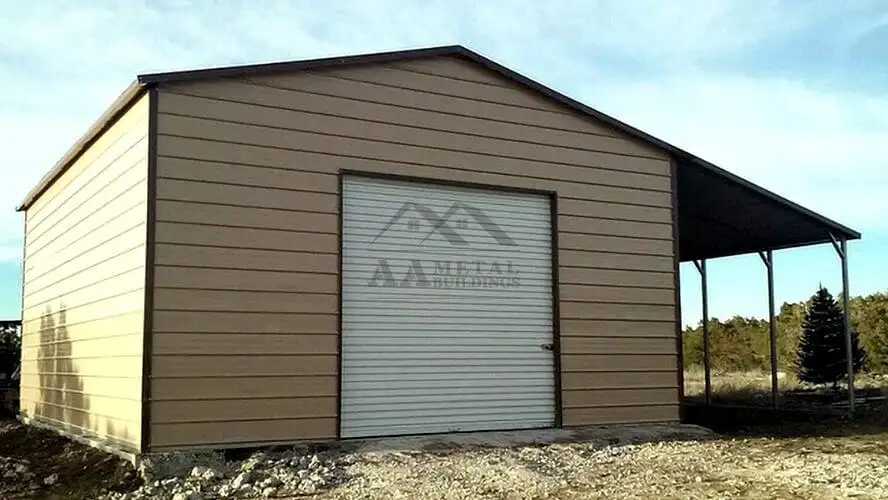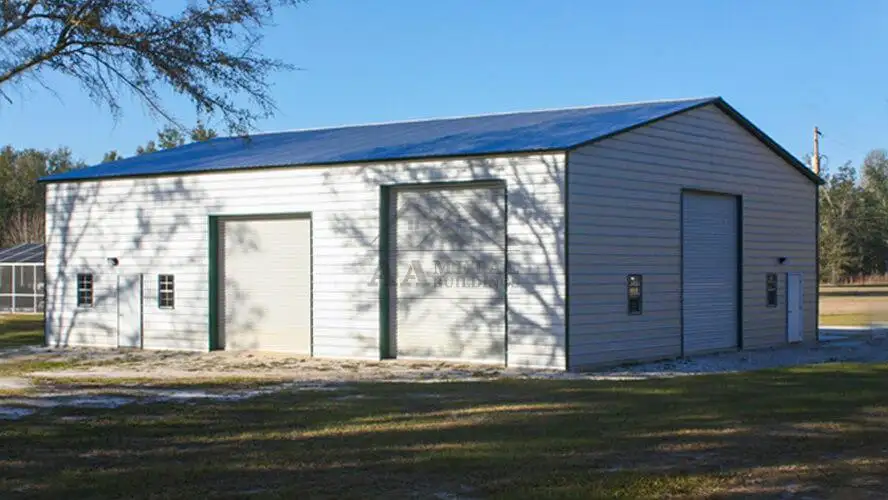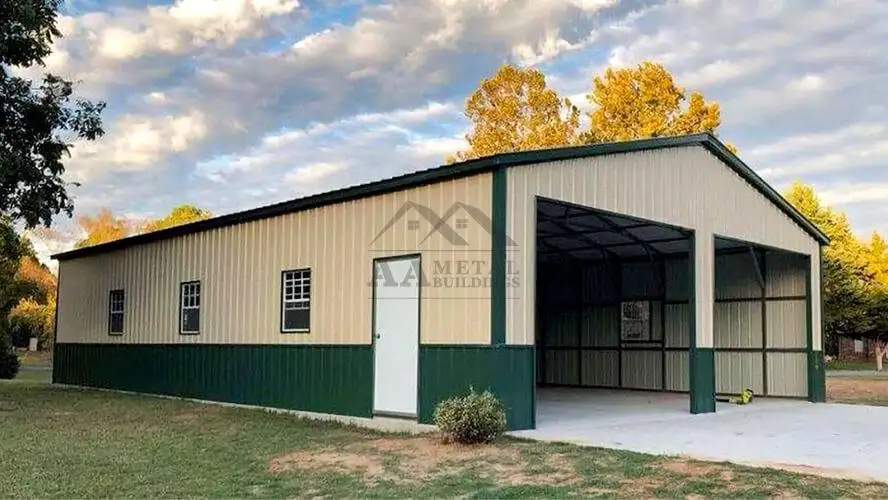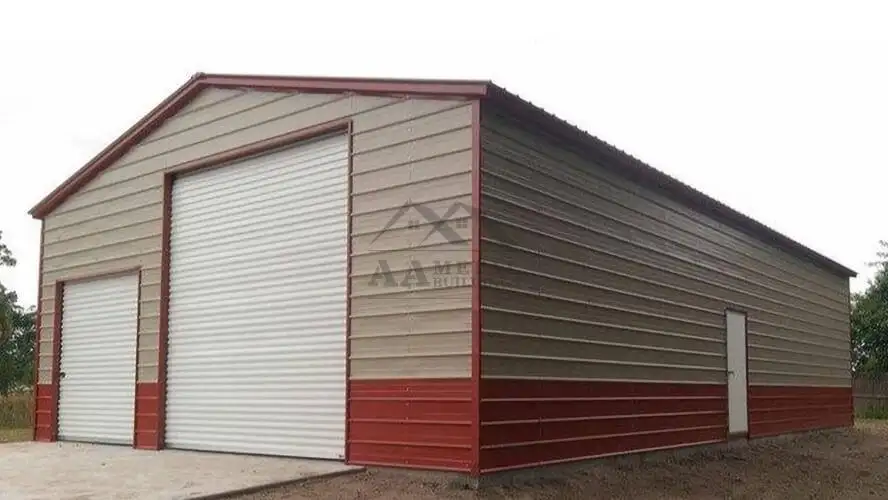
Picking a shop size looks easy until you start laying out real equipment on a real slab. A couple of toolboxes turns into a bench wall, shelves, a compressor, maybe a welder, and suddenly the “cheap and small” building you planned feels tight before you even hang lights. I’ve watched a lot of owners go through the same loop: build too small, spend the next few years shuffling projects, then price an add-on they wish they’d planned from day one.
A 30×30 keeps showing up because it’s one of the smallest footprints that still works like a true shop. You get enough room to park a vehicle, set up work zones, and keep a center lane open so you can move carts and materials without playing Tetris. It’s also a clean size for small business storage and staging—professional, practical, and not oversized.
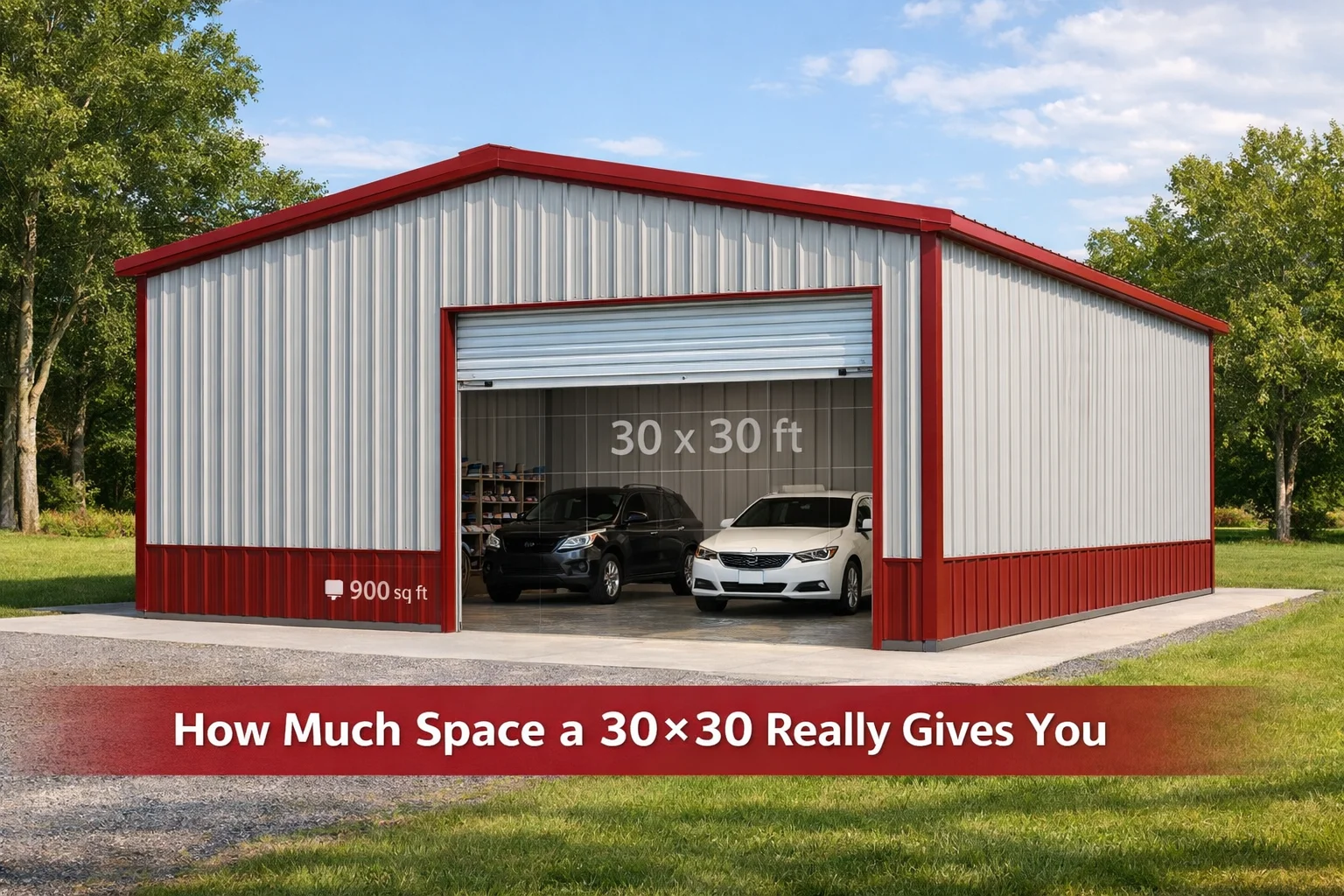
A 30×30 metal building gives you 900 sq ft of clear-span space—enough for a vehicle bay, bench wall, storage runs, and a center work zone that stays usable. It’s a reliable metal workshop size because the layout works without wasted square footage, and it’s a practical small business metal building footprint that avoids the higher build and operating costs that come with “going bigger just because.”
Quick reality checklist
- What work happens inside (repair, fabrication, storage, staging)
- Vehicles indoors: none / one daily / trailer or equipment sometimes
- Door clearance needs (height, width, approach angle)
- Eave height (wall height) and any “future lift” plans
- Storage strategy (perimeter shelves, long material storage)
- Power, lighting, ventilation/condensation expectations
- Budget vs long-term value (what you’ll need in 3–5 years)
Specs quick pick (30×30 workshop or small business use)
If you want a simple starting point that keeps you out of trouble, this is it:
- Eave height: 12′ is a common baseline; 14′ buys flexibility for taller doors and vertical storage
- Door strategy: size for the biggest vehicle/trailer you’ll realistically own, then add margin
- Walk-in door: plan it on the parking/approach side so you’re not cycling the overhead door all day
- Ventilation + condensation: decide early if it’s a “cold storage shell” or a space you’ll work in weekly
- Slab planning: treat it like a shop slab, not a shed slab—lift/drain/heavy zones are pre-pour decisions
How Much Space a 30×30 Really Gives You (Beyond the Numbers)
A 30×30 is 900 sq ft of clear-span floor area. That “clear-span” matters because you can lay out a shop without working around interior posts—one of the biggest reasons smaller buildings feel cramped fast.
In real use, the space isn’t eaten by the big projects first. It’s eaten by bench depth, aisle space, door swing, tool storage, and staging materials. A 30×30 is one of the smallest sizes where you can keep storage and benches on the perimeter and still maintain a usable center lane.
A layout that keeps working:
- One long wall: continuous bench line + wall storage for daily-use tools
- Back wall: shelving for parts/materials you don’t want on the floor
- One corner: compressor/shop vac/welding bottles (heavy + loud stuff)
- Center: project zone you can actually walk around
Height changes how the building performs day-to-day. Eave height affects overhead door options, headroom at the opening, vertical storage, and whether “maybe a lift someday” is realistic.
Why 30×30 Works So Well for Workshops
Workshops live on workflow. If you’re constantly moving equipment out of the way to start the next task, the shop is costing you time.
A 30×30 makes it easier to build a custom metal workshop with zones that stay consistent:
- Bench + assembly zone: uninterrupted bench space speeds up daily work
- Cutting/grinding zone: keeps mess away from parts storage and clean assembly
- Storage flow: perimeter shelves keep parts visible without killing floor space
- Open lane: lets a vehicle or fabrication table sit in place while you still move around it
A lift can work in a 30×30, but only if you spec for it up front. Door choice, lighting, and slab details all tie back to height. I’ve seen plenty of 30×30 shops that were “big enough,” then felt tight because the door and eave height were chosen without thinking through headroom and day-to-day use.
A Smart Size for Small Business Owners
A 30×30 isn’t only a hobby shop. It’s a practical footprint for a lot of small operations that need a secure base for equipment, inventory, and staging—especially when most work happens off-site.
It’s a good fit for trades and service businesses that want:
- A dry, lockable place for parts and tools
- A clean staging area for morning load-outs
- Room for basic maintenance without renting commercial space
The footprint helps too. A 30×30 often fits properties where bigger rectangles start running into setbacks or lot-coverage limits. You still need to check local rules, but this size is usually a reasonable starting point.
Common Layout Options That Actually Work
A 30×30 can feel roomy or cramped based on door placement and where you dedicate your fixed zones (benches, shelves, compressor, parts storage). The goal is simple: keep a clear work lane and stop storage from creeping into it.
| Layout style | Best for | Watch-outs |
|---|---|---|
| Open layout | General workshop, fabrication, mixed use | Storage creeps inward if it isn’t planned |
| Zoned layout | Repeat work, small production | Partitions limit future equipment changes |
| Vehicle + workspace | Service work, repairs, staging | Door clearance and turning space matter |
Quick door reality: choose doors based on the biggest vehicle or trailer you’ll realistically own during the life of the building, then add margin. A door that’s “tight but doable” becomes daily frustration once weather, uneven approaches, or a new vehicle shows up.
Here’s the scenario that catches people: it’s raining, you’re backing a crew cab in after a long day, the approach is slightly off-angle, and you’ve got mirrors and fenders to worry about. If the opening requires perfect alignment every time, it’ll drive you nuts within a month.
Cost Efficiency Without Cutting Corners
A 30×30 is a strong cost vs value play because it gives you usable space without paying to build and operate a building that sits half empty.
- Upfront build cost: slab and site work scale with footprint; bigger isn’t just “more steel.”
- Operating cost: every extra foot adds insulation area, lighting, electrical runs, and air volume to heat/cool.
- Practical value: a right-sized shop is easier to finish properly (doors, height, ventilation) instead of spreading the budget thin.
If you’re actually using the space weekly, 900 sq ft is often enough to work efficiently while keeping utilities reasonable.
Where People Go Wrong Choosing a 30×30
Most regrets aren’t about the 30×30 footprint. They’re about specs that don’t match real use.
- Wall height and doors picked separately: overhead doors affect headroom; headroom affects everything inside. For many workshops, 12′ eave height is a practical baseline; 14′ buys flexibility for taller doors and vertical storage.
- Overhead doors that are “technically big enough”: tight clearances turn into stress once you add weather, a trailer, or a different vehicle. Door clearance is a daily quality-of-life issue.
- No walk-in door (or wrong location): you end up cycling the overhead door all day. Put the man door on the side you actually approach from.
- Storage not planned early: parts and materials end up on the floor, and the shop feels smaller than it is.
- Slab and utilities planned too late: drains, thicker slab zones, and lift-ready details are pre-pour decisions.
Door sizing & placement (what usually causes regret)
| Use case | Door setup that usually works | What causes regret |
|---|---|---|
| One vehicle + true workshop use | One main overhead door + a walk-in door near parking | Door opening is “just enough” and stressful to use |
| Trailer/equipment sometimes | Taller overhead door + straight approach | Choosing height for today’s truck, not the trailer/next vehicle |
| Want drive-through workflow | Two overhead doors aligned | Doors placed off-line → constant backing/shuffling |
| Want ceiling space clear | Roll-up door often helps | Sectional tracks taking up usable headroom |
When It Makes Sense to Size Up Instead
Size up if you know you’ll need multiple bays, larger equipment indoors, or dedicated office/restroom space without squeezing the shop.
| Size | Sq ft | Best fit | What you’ll notice |
|---|---|---|---|
| 24×30 | 720 | Storage + light work | Gets tight once tools/projects stack up |
| 30×30 | 900 | Most workshops + small business base | Balanced layout and usable center lane |
| 30×40 | 1,200 | Multi-bay work, growing operations | Easier separation of bay/work/storage |
If you’re on the fence, a smart approach is planning a 30×30 that can be extended later, so you’re not forced into a full redesign.
Before you order, it helps to sanity-check eave height, door sizing, and a workable metal building layout. If you want a straightforward run-through of options and pricing, our team at AA Metal Buildings can walk you through it without pushing you into a bigger building than you need. We provide wide range of custom metal buildings near you with of free delivery and professional installation free delivery and installation nationwide.
FAQs
Is a 30×30 big enough for a workshop?
For most owners, yes—if you plan perimeter storage, a bench wall, and a clear center lane. It starts feeling small when you try to run two vehicle bays and keep large projects set up all the time.
Can you run a small business out of a 30×30 metal building?
A lot of trades and service businesses can, especially as a base for tools, parts, and staging. If you need multiple workstations or customer-facing space, adding length usually makes life easier.
What wall height works best for a 30×30 shop?
Pick eave height based on your door plan and equipment, not guesses. 12′ works well for many workshops, while 14′ adds flexibility for taller doors and vertical storage; lifts and tall rigs push you higher.
Is 30×30 better than 24×30?
Usually, yes, because the extra footprint makes the layout work instead of forcing constant reshuffling. The difference shows up in aisle space and how much storage you can keep off the floor.
How big should the overhead door be on a 30×30?
Base it on the biggest vehicle or trailer you’re likely to own, then add margin so entry isn’t stressful. Door placement and approach angle matter too—if you can’t line up cleanly, even a “big enough” door feels small.
Can a 30×30 fit a two-car setup?
Two vehicles can fit, but working comfortably around them is the issue. If you want benches, storage, and projects while two vehicles are inside, sizing up in length is usually the cleaner move.
Do you need a foundation before ordering a metal building?
You don’t need the slab poured first, but you do need a foundation plan early. Slab dimensions and openings should match the building specs, and permits are typically handled locally.
What’s the biggest mistake people make with a 30×30 shop?
They don’t plan doors, height, and storage together. The building ends up “big enough,” but awkward to use because access and headroom weren’t designed around daily workflow.