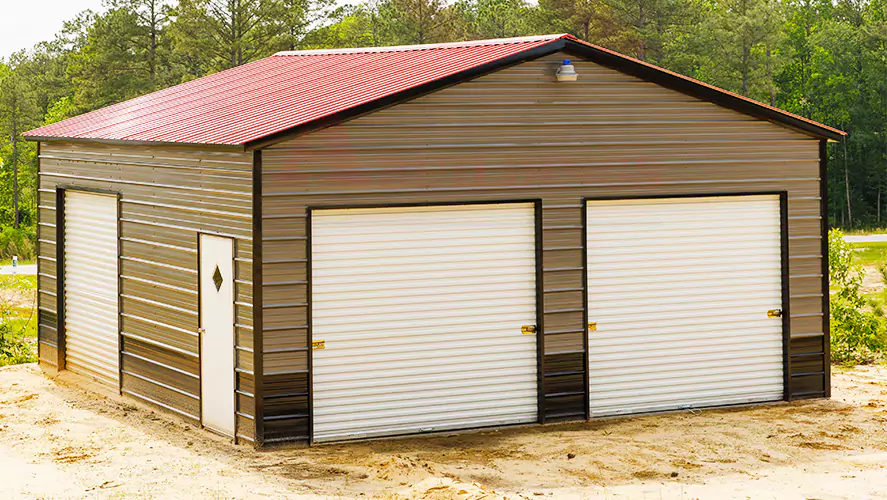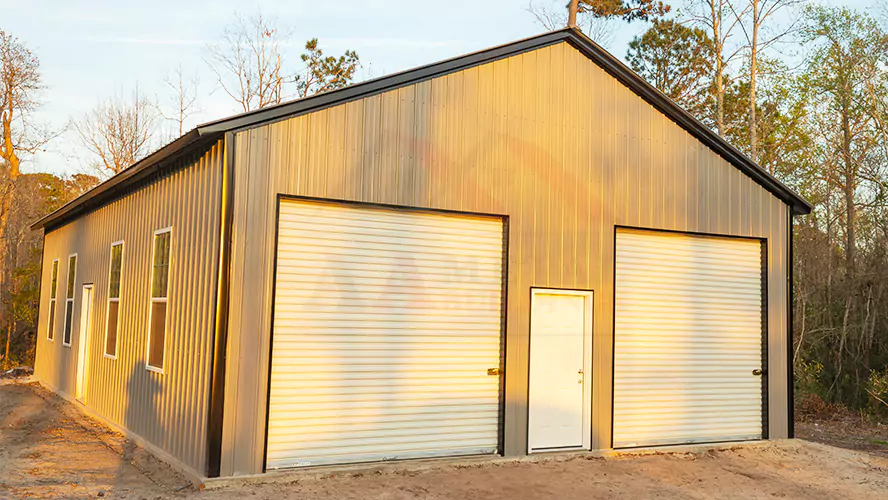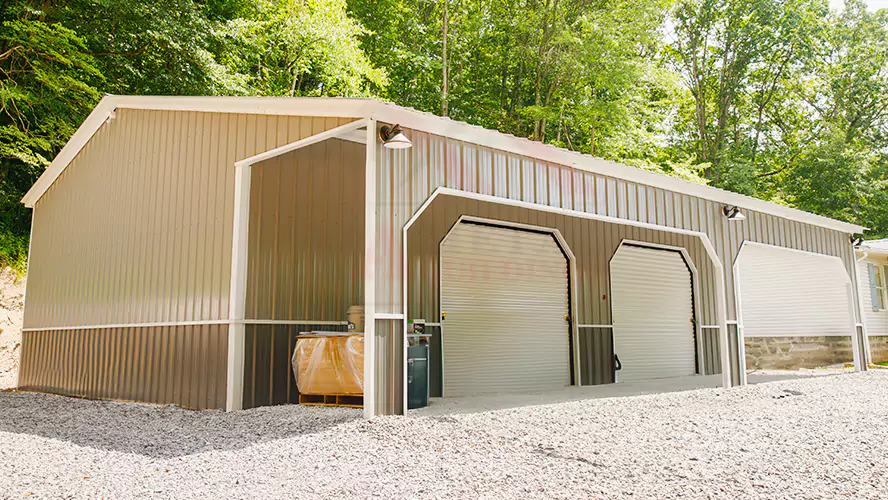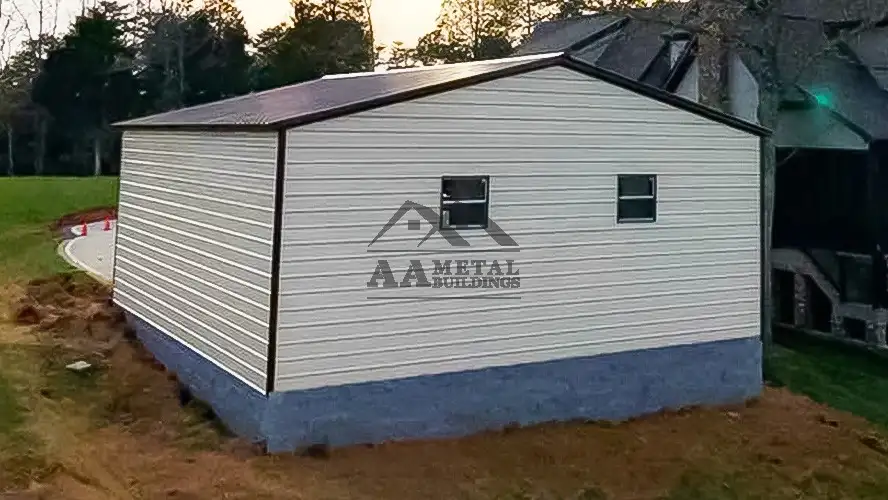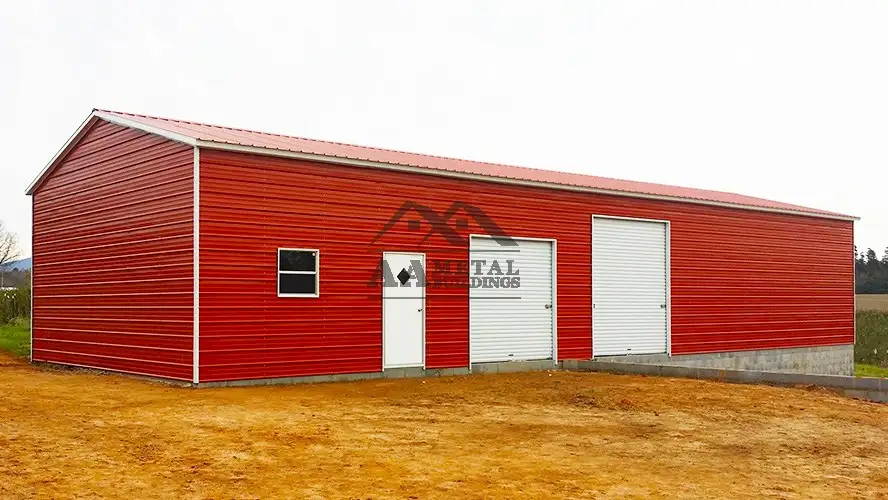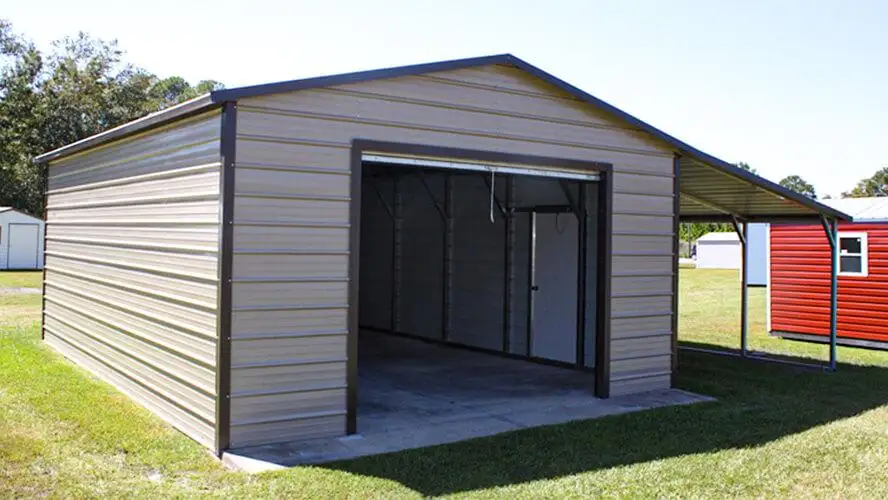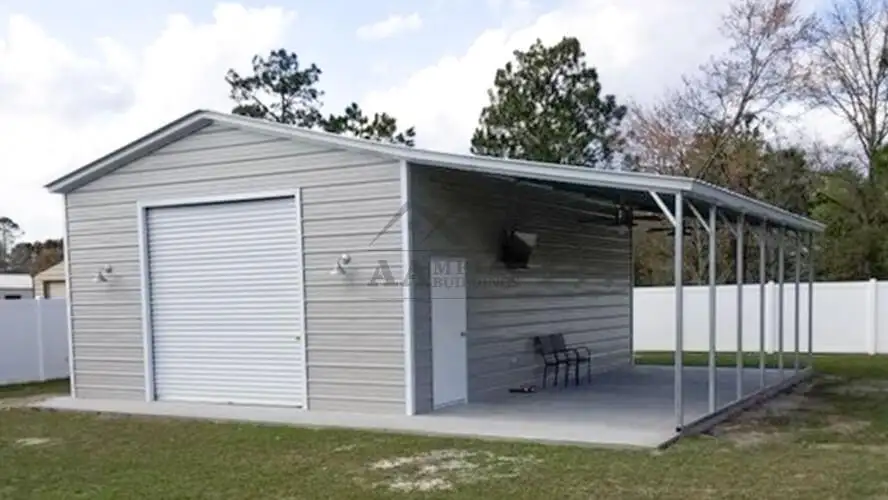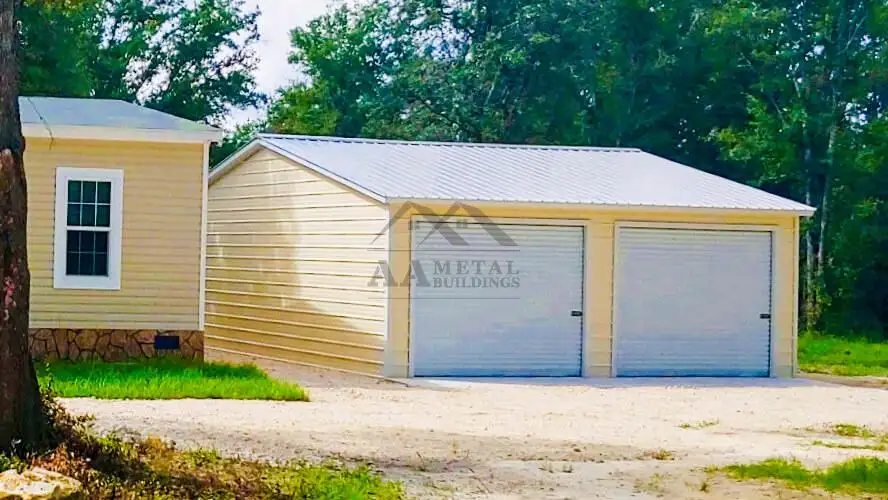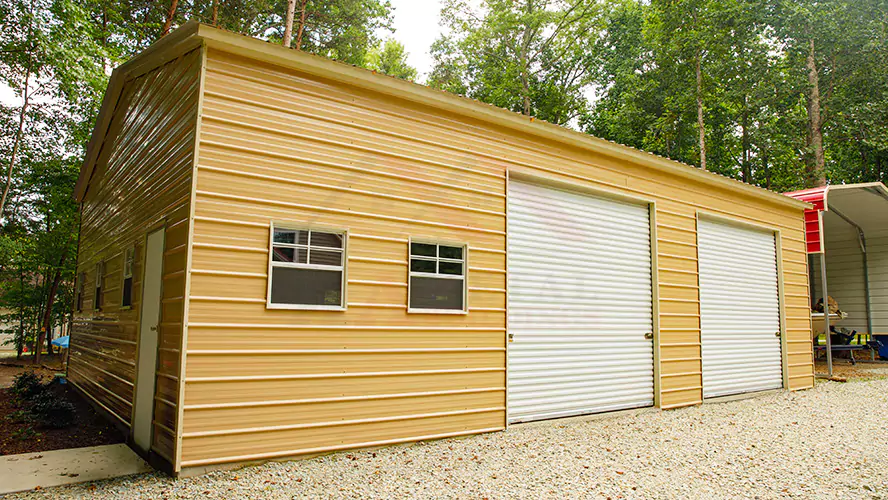
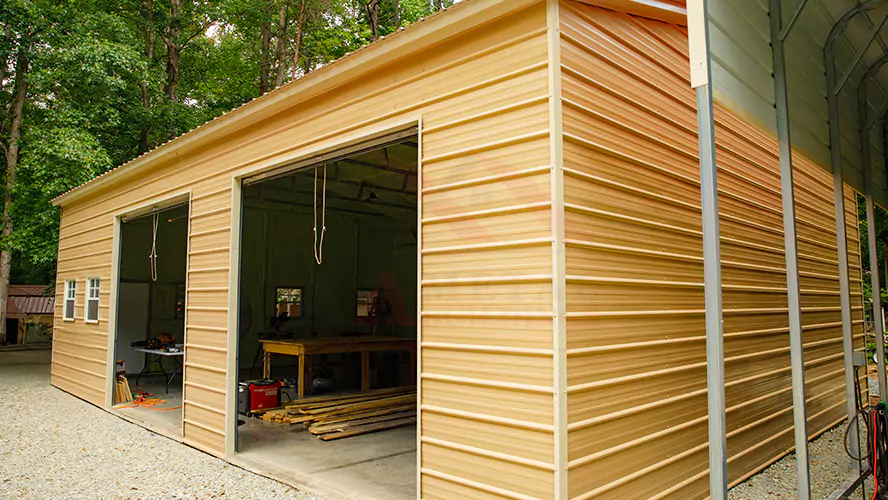
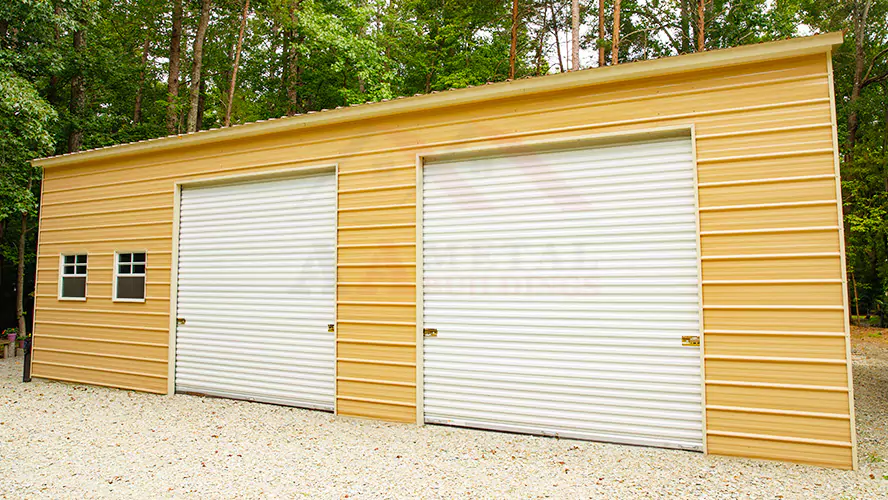






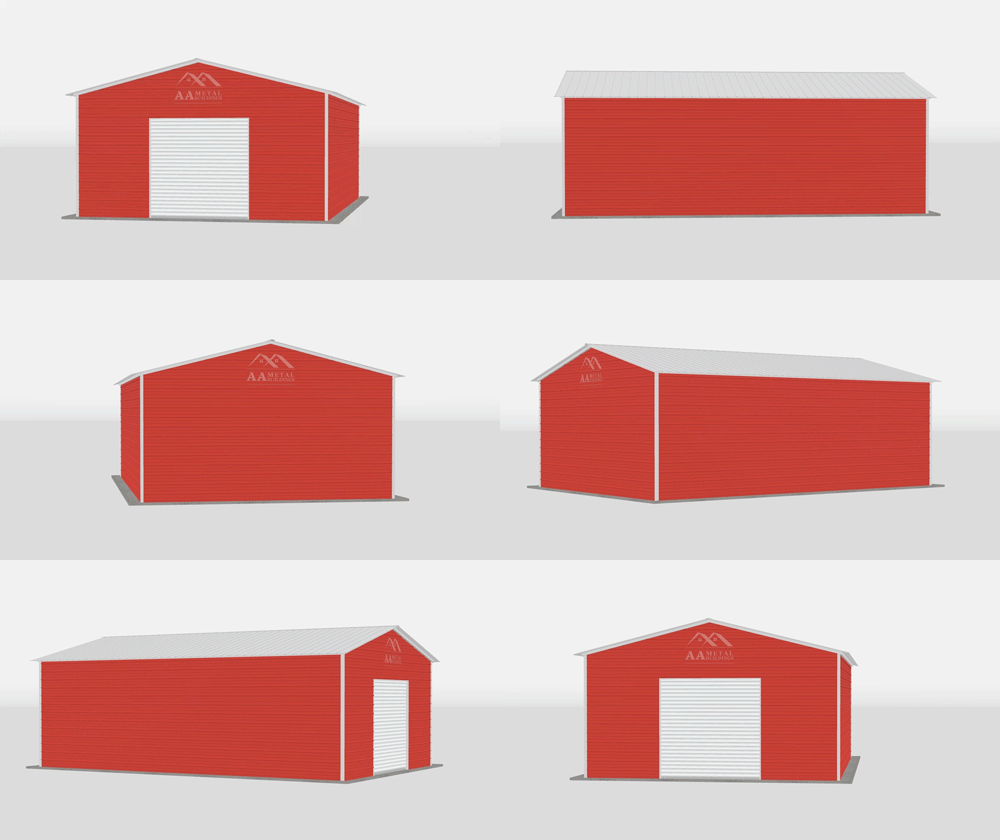
A 30×40 metal building gives you 1,200 square feet of usable space, but the final price can move around a lot depending on what you actually need. A basic building shell will cost less than one with taller legs, upgraded framing, larger doors, insulation, windows, and certification for higher wind or snow loads.
That is why two buildings with the same 30×40 footprint can end up with very different quotes. The size stays the same, but the specs, location, and installation requirements change the price. The smartest way to look at it is to separate the cost into three parts: the building itself, the delivery and installation, and the site-related costs like concrete, grading, and permits.
In most cases, the building package includes the steel frame, roof panels, wall panels, trim, and the hardware needed to put the structure together. Depending on the setup you choose, it may also include framed openings for garage doors, walk-in doors, and windows.
What buyers really need to watch for is the difference between the building package and the full project cost. A lot of people assume the “building price” covers everything from concrete to permits, and that is usually not the case. So when comparing quotes, it helps to ask one simple question: what exactly is included, and what will I still need to handle separately?
This is one of the most important questions to ask, because the starting price is usually for the building itself, not the full finished project. In many cases, things like site prep, concrete, permits, engineering, insulation, electrical work, plumbing, gutters, and interior finish-out are priced separately.
That does not mean the quote is misleading, but it does mean buyers should look past the headline number. A low advertised price can still turn into a much bigger project cost once the site is prepared and the building is customized for real-world use.
A 30×40 building is one of the most popular sizes because it is big enough to be useful without being oversized for most properties. It works well as a garage, workshop, storage building, equipment shelter, or even a small business workspace.
A lot of people use this size for two vehicles plus extra room for tools, shelving, a mower, or a workbench. Others use it for three or four smaller vehicles, a truck and trailer setup, or a mix of storage and shop space. The real value of a 30×40 is that it gives you flexibility. It is not so small that you outgrow it immediately, and not so large that it becomes hard to fit on a normal lot.
For a lot of buyers, yes. A 30×40 is a very practical garage size if you want more than just parking space. It usually gives you enough room for two vehicles and still leaves space for storage, tools, or a small work area.
Where people run into trouble is not usually the width or depth. It is the layout. Door size, wall height, and where you place the openings matter just as much as the square footage. A building can be the right size on paper and still feel cramped if the doors are too small or the layout does not match how you plan to use it.
That depends on what is going inside. If you are using it for standard cars, SUVs, and basic storage, a lower height may be enough. If you need room for taller trucks, trailers, tractors, shelving, or a vehicle lift, then you will want more clearance from the start.
This is one of the decisions that is much easier to get right before ordering than after installation. A lot of buyers focus on the footprint and forget how important side height is. Extra height can make the building far more functional, especially if you expect your needs to grow over time.
There is no single best answer because it depends on what you plan to drive in and out every day. A building used for standard vehicles may work well with one setup, while a shop for trucks, trailers, or equipment may need much larger openings.
The main thing is to think beyond the vehicle itself. You have to consider mirrors, racks, trailers, turning space, and how comfortable you want the entry to feel. Most buyers are happier when they size the doors a little more generously instead of trying to make the smallest opening work.
A concrete slab is common for a 30×40 enclosed building, especially if you want a clean floor, better durability, and a structure that feels finished and permanent. It is also usually the best choice for garages, workshops, and buildings that will hold vehicles or equipment.
That said, the slab itself should be planned based on the building, the soil conditions, and how the space will be used. A building that will hold heavy equipment or lifts may need something different than a simple storage setup. This is one of those areas where cutting corners early can create bigger problems later.
In many areas, yes. A 30×40 building is large enough that local permitting, engineering, and code requirements often come into play. That can include setbacks, anchoring, wind rating, snow load requirements, and approval from the local building department.
The easiest mistake a buyer can make is assuming the same building works everywhere. It does not. A building going into one county may need different certification than the same building going into another. That is why it is always better to check local requirements before ordering instead of trying to fix it after the fact.
If you live in an area with stronger weather conditions, the answer is usually yes. Wind and snow loads affect how the building needs to be engineered, and those requirements can change by state, county, or even by zip code.
This matters because the structural requirements directly affect the frame and the overall price. A building designed for mild conditions is not the same as one designed for heavy snow or high winds. That is why location is such a big part of the quoting process.
If you plan to use the building regularly, insulation is usually worth thinking about. It helps with temperature control, reduces condensation issues, and makes the space more comfortable if you are working inside for long periods.
For buyers using the building as more than just basic storage, insulation can make a big difference in how usable the space feels year-round. A metal building without insulation can get hot, cold, and damp depending on the season, so this is not just a comfort upgrade for many people. It can also be a practical one.
The actual installation time depends on the building design, the site conditions, weather, and whether the slab is already complete. Once the site is ready, installation can move fairly quickly, but the full project timeline is often longer because site prep, concrete curing, permitting, and scheduling all have to line up.
That is why it helps to think in terms of total project time, not just erection time. A building may go up fast, but the planning and prep work usually determine how smooth the whole process feels.
Yes, it is one of the better sizes for that. It gives you enough room to work without making the space feel oversized or hard to manage. You can set it up with storage on one side, open work space in the middle, and vehicle or equipment parking on the other side.
For a lot of buyers, this size hits the sweet spot. It is large enough to be genuinely useful, but still manageable in terms of budget, lot space, and ongoing use. That is a big reason it stays popular.
Because the footprint is only one part of the quote. The biggest price differences usually come from the frame strength, building height, roof style, number and size of doors, added windows, insulation, certification requirements, and installation conditions.
Then you have the site side of the project, which includes things like grading, access for equipment, foundation work, and local permit requirements. So when one quote comes in much lower than another, it does not always mean it is the better deal. Sometimes it just means fewer things are included.
For a lot of buyers, yes, because it gives you a lot of usable space without jumping into a much larger and more expensive structure. It works for storage, vehicles, hobbies, shop use, business use, and future flexibility.
The reason this size stays in demand is simple: it is practical. It solves real space problems for homeowners, landowners, and business owners without feeling excessive. When the layout and specs are chosen well, a 30×40 building can cover a lot of needs for a long time.