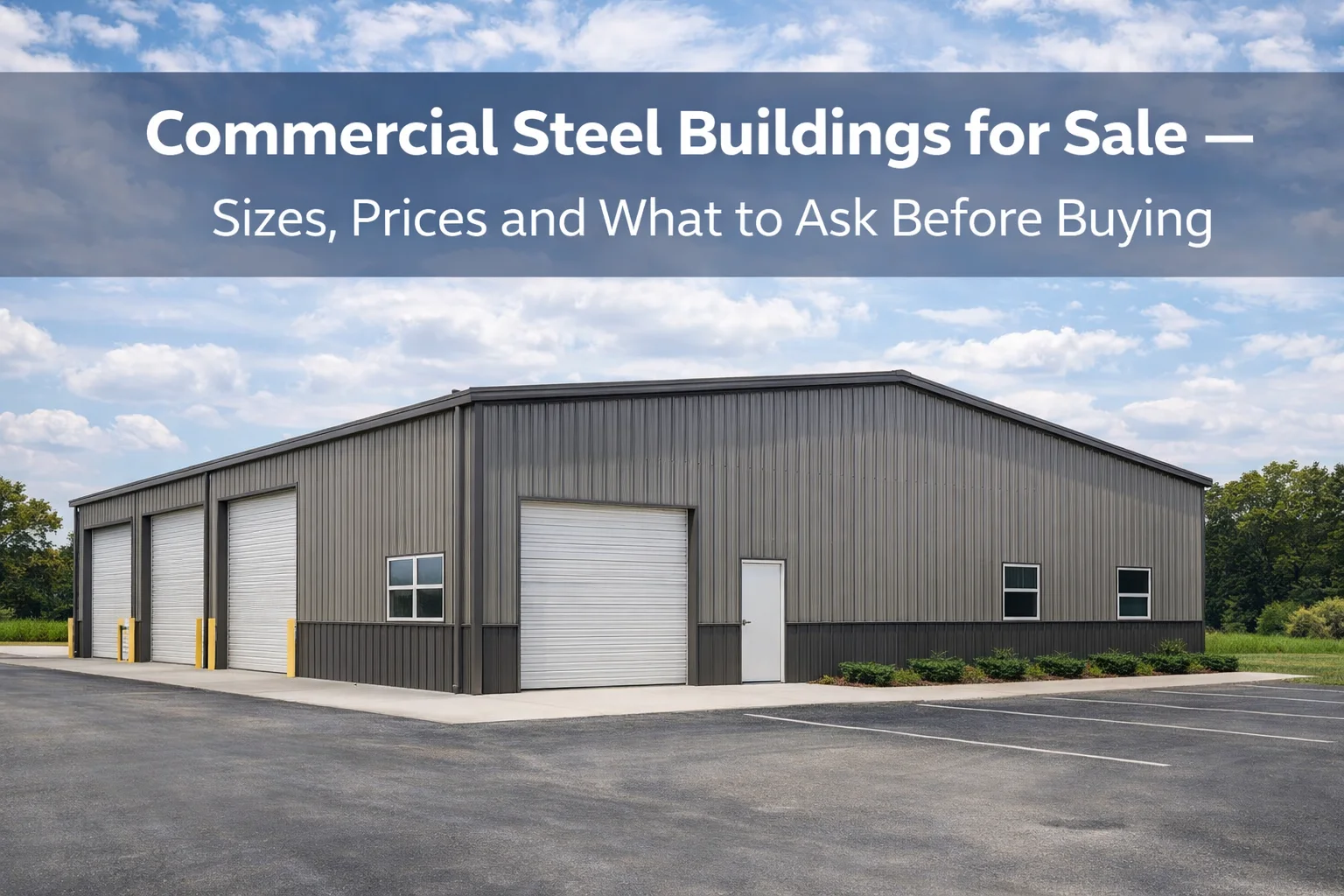








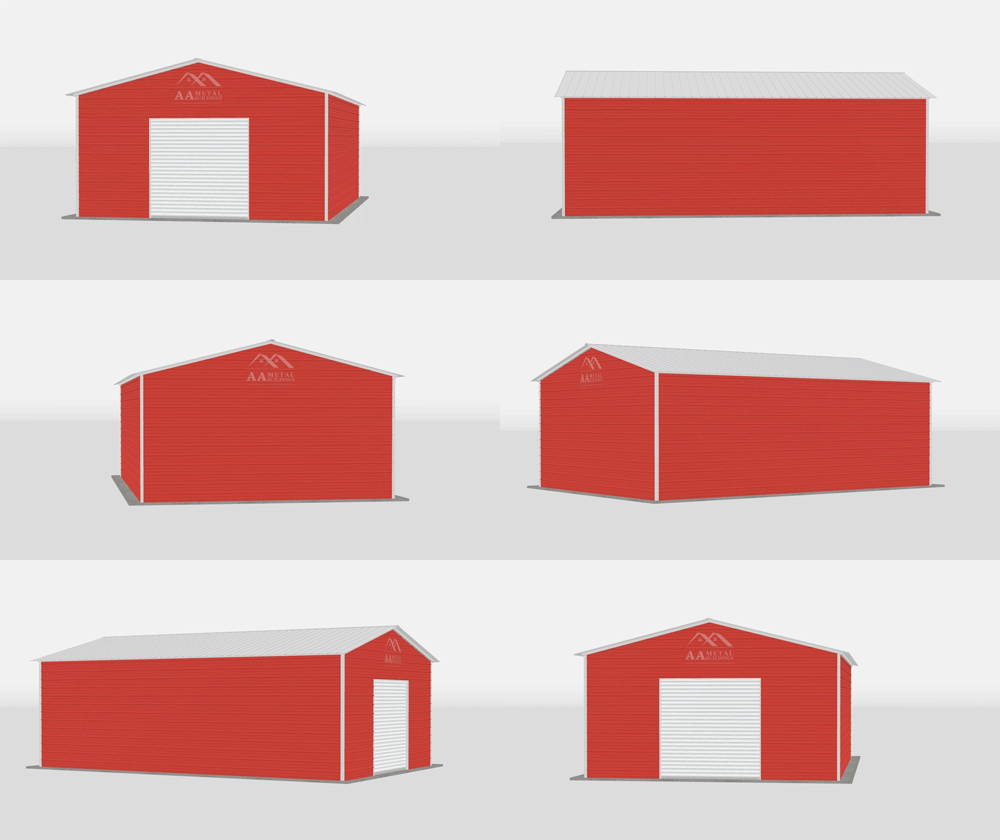
Most folks end up somewhere between about $45k and $110k all-in, depending on slab, doors, and insulation. Here’s the thing—two big overhead doors and a finished interior can cost more than the shell. If a quote looks “too good,” it’s usually missing the concrete, erection, or trims.
Yes, for most setups it’s plenty. I see this all the time: people plan for the vehicles and forget the work zone—leave a clear 10–12 feet of depth for benches, tool chests, and walking room. If you want a lift, plan your bay spacing before you pick door locations.
Usually, yes. Most counties want a building permit plus stamped engineered drawings that match your wind/snow load for that exact address. If you’re running power or plumbing, that’s separate permits and inspections, and they’ll often want the slab inspected before you pour.
It starts with a pad that’s flat, compacted, and square—then you pour a slab that matches the anchor-bolt layout. The pro detail is the diagonals: if it’s not perfectly squared before concrete, your frame fights you the whole way. For most shops, a 4″ slab with thickened edges and rebar in the right spots is the difference between “fine” and cracks everywhere.
Go 12′ minimum for a comfortable garage/shop, and 14′ if you want a lift or tall doors. This is where people mess up: a 12×12 door doesn’t play nice under a 12′ eave once you add tracks, opener, and header space. Taller walls cost a bit more up front, but they save you from regret.
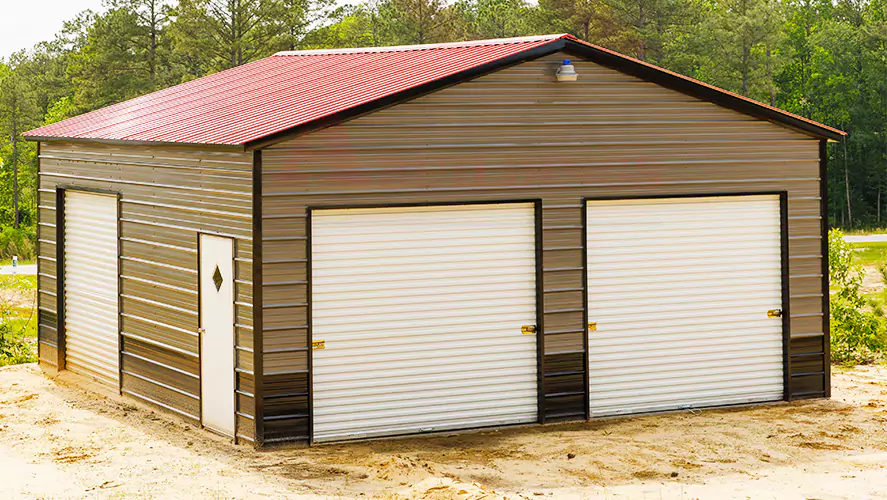
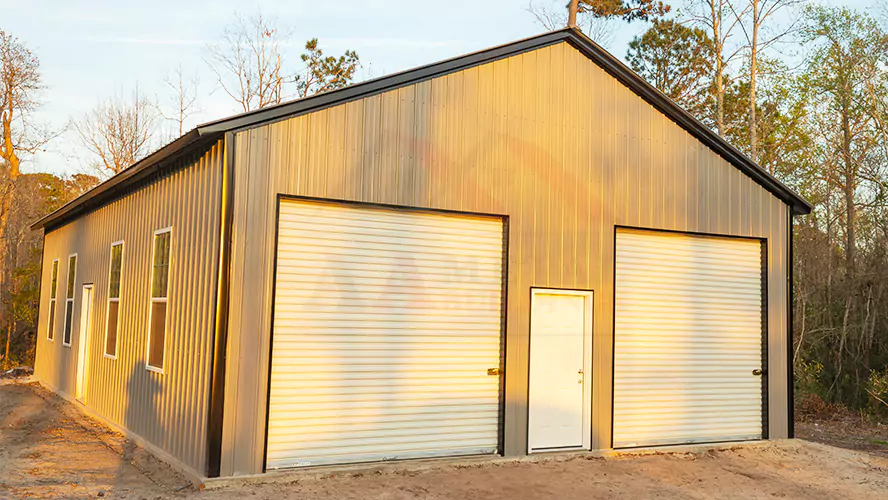
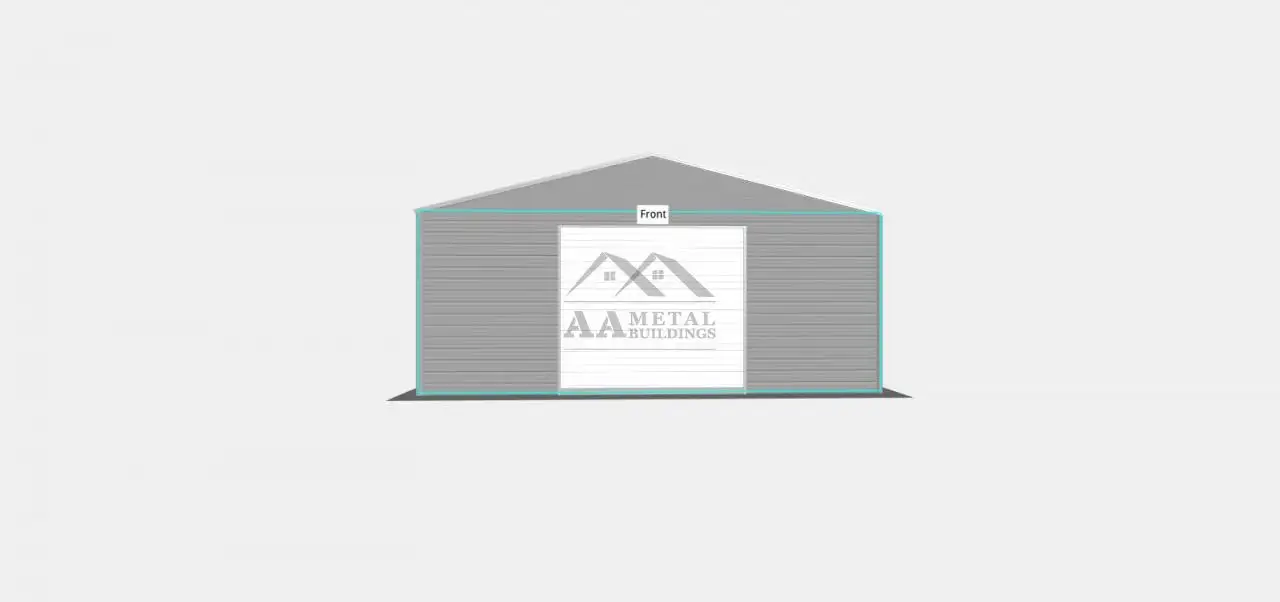
For normal trucks, 10×10 works, but 12×12 is the sweet spot if trailers or equipment are in your future. Place doors so you can drive straight in—angled parking in a 30′ width gets old fast. And don’t forget: a real walk door near the parking spot keeps you from cycling a big overhead door all day.
If you’re spending time inside, yes—otherwise it’ll sweat, drip, and feel like an oven or a freezer. Most folks don’t realize the roof is the first problem, not the walls; a vapor barrier and proper roof insulation stop the “raining indoors” thing. If you’re heating it, plan ventilation too, or you’ll trap moisture.
It depends—panels, paint, structure, and “roof leak” are usually all different warranties. I always tell people to read the leak wording: a lot of warranties cover the metal, not the labor to fix bad fasteners or missed sealant. Keep your paperwork and your panel/trim brand info—five years later, that stuff matters.
We serve 41+ states, and we source through local or regional manufacturers so the building is engineered for your county’s wind and snow loads. Most folks don’t realize “nationwide shipping” isn’t the hard part—the hard part is matching code and getting the right drawings, anchors, and panel specs for where the building actually sits. If you tell me your zip code, I can tell you which manufacturer we’d use and what the local permit office usually wants with the plans.