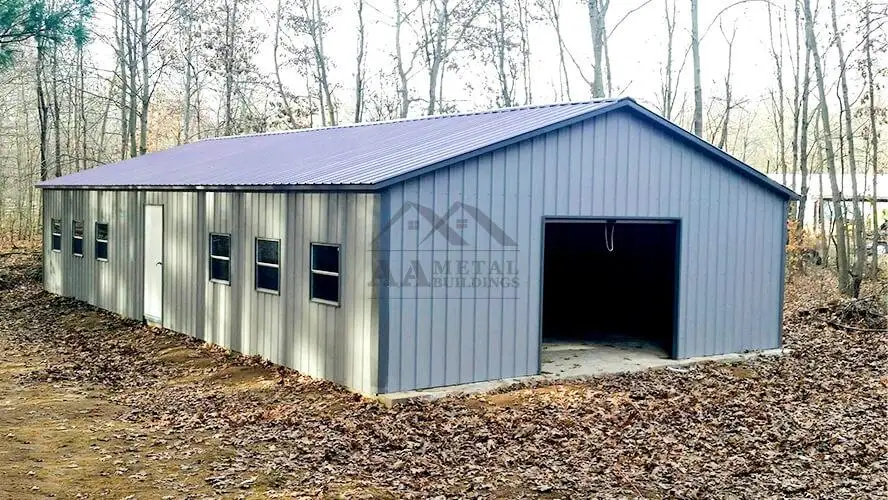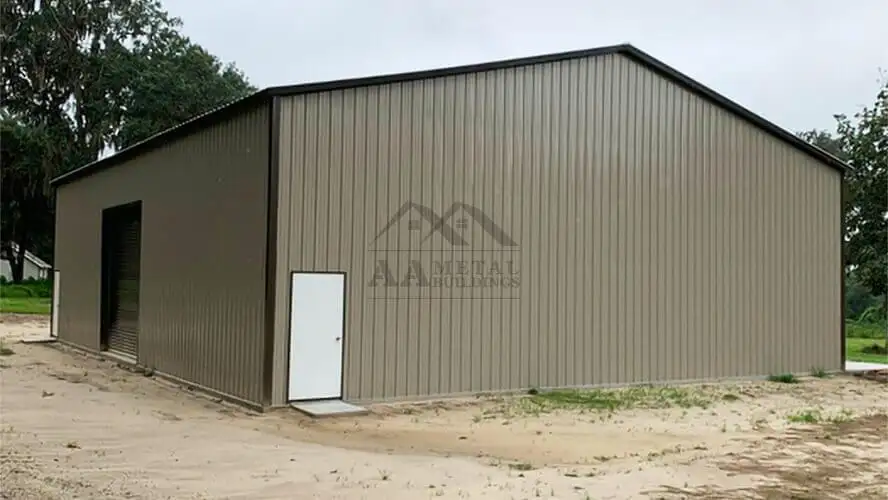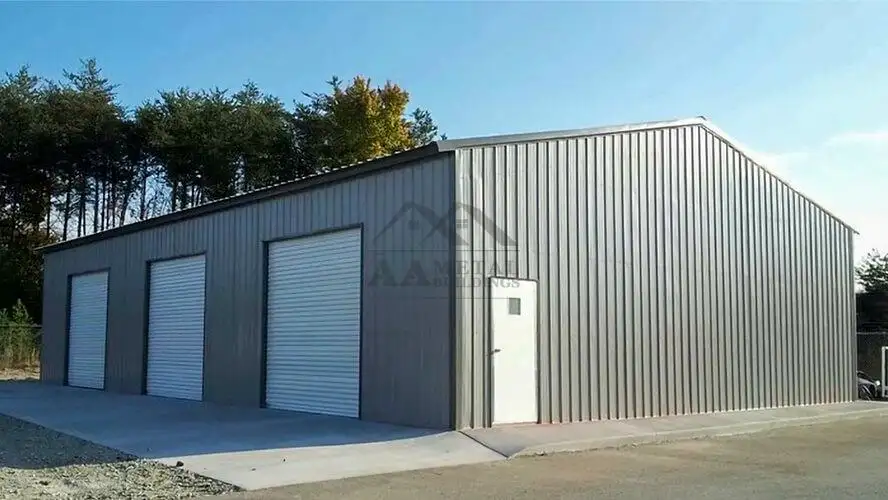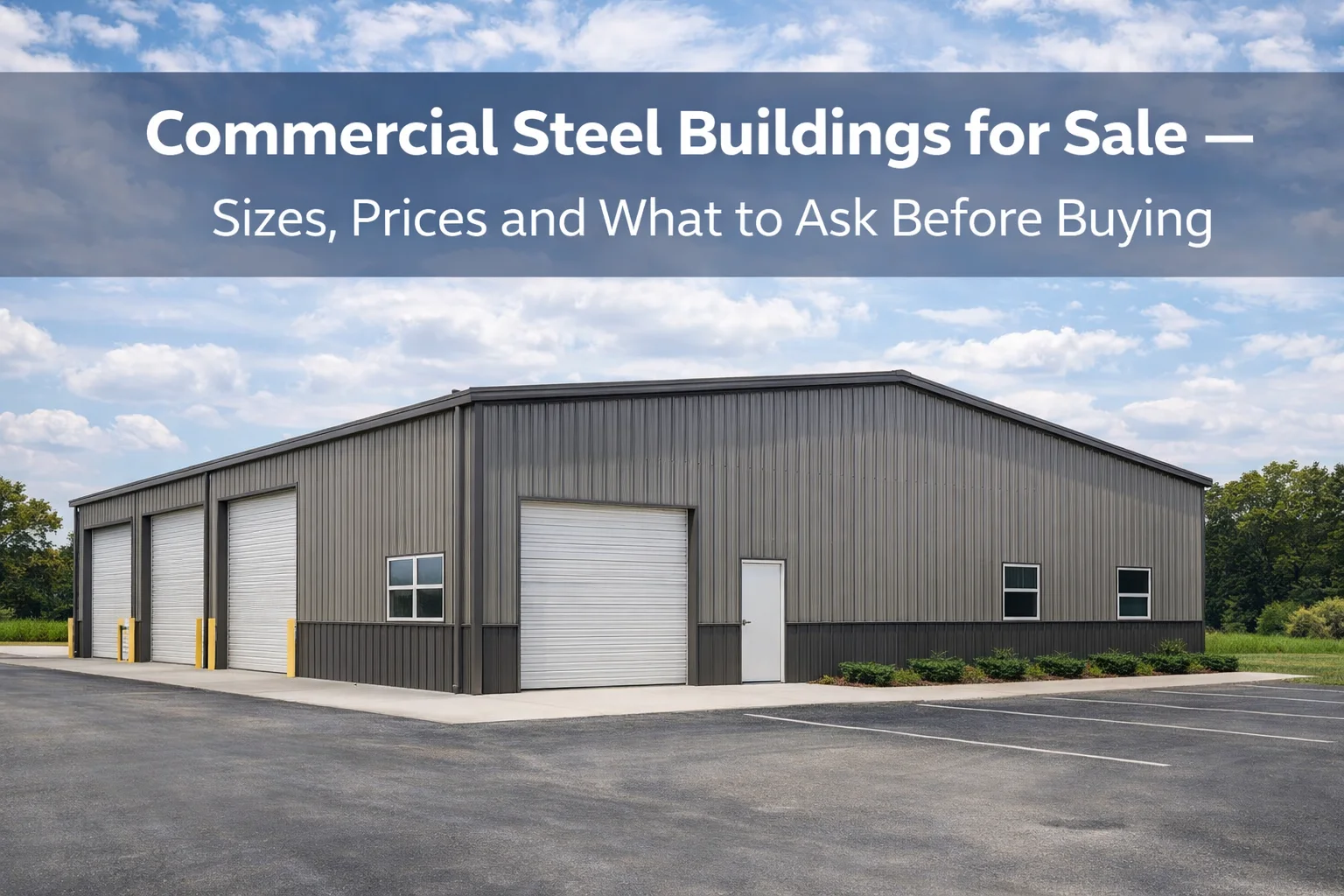
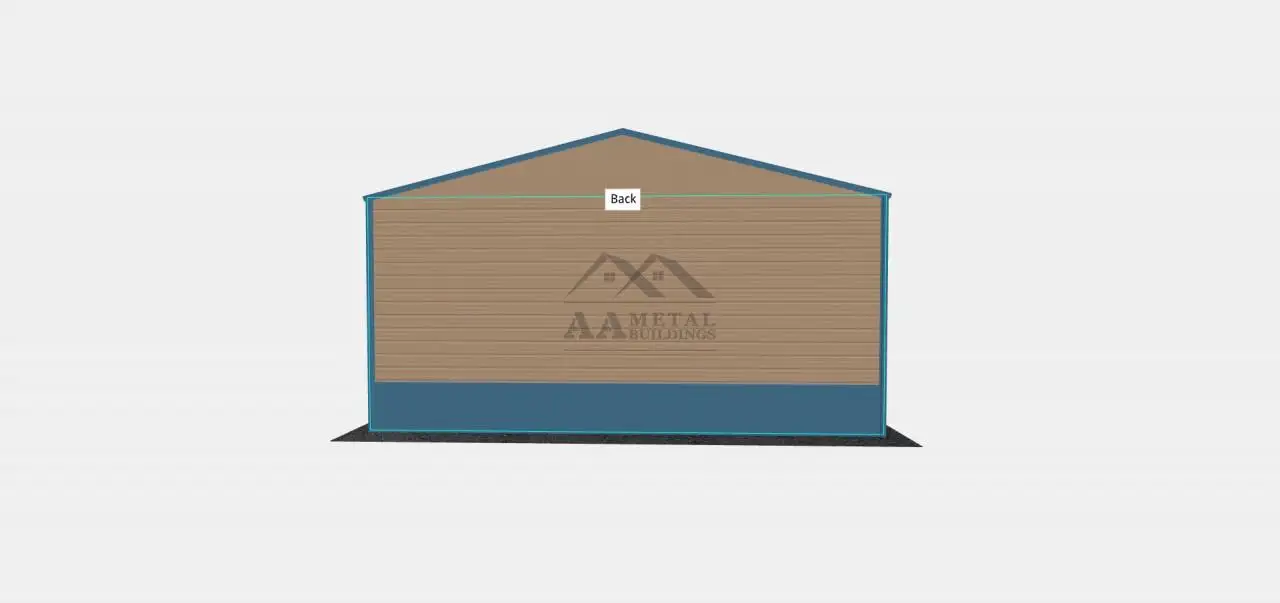
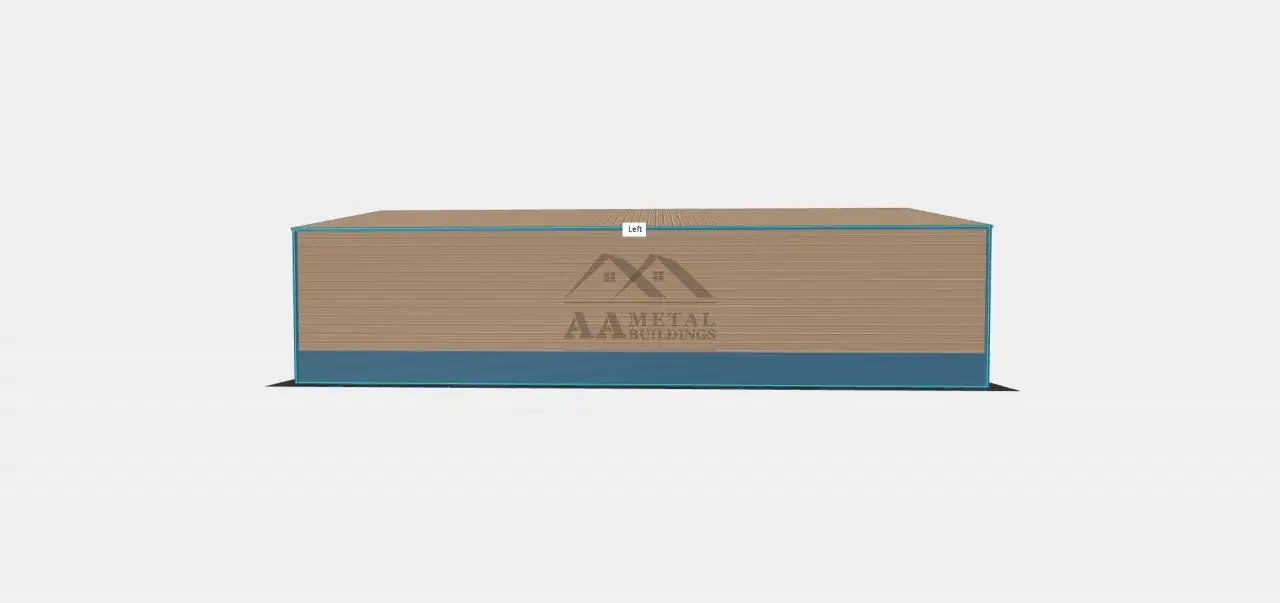
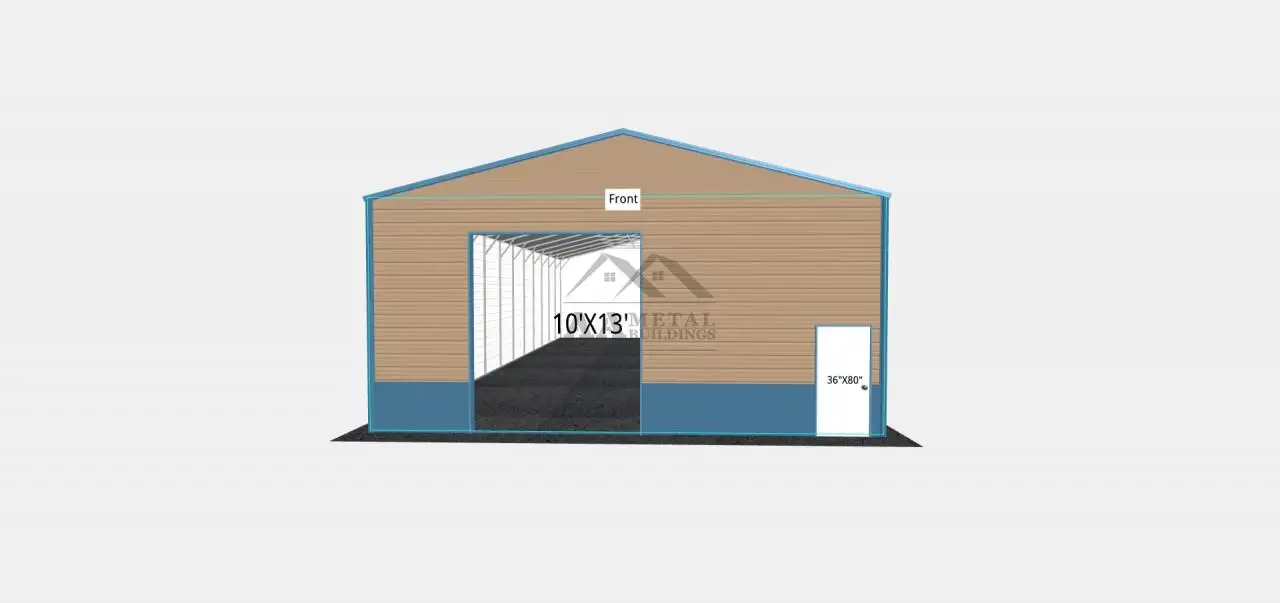







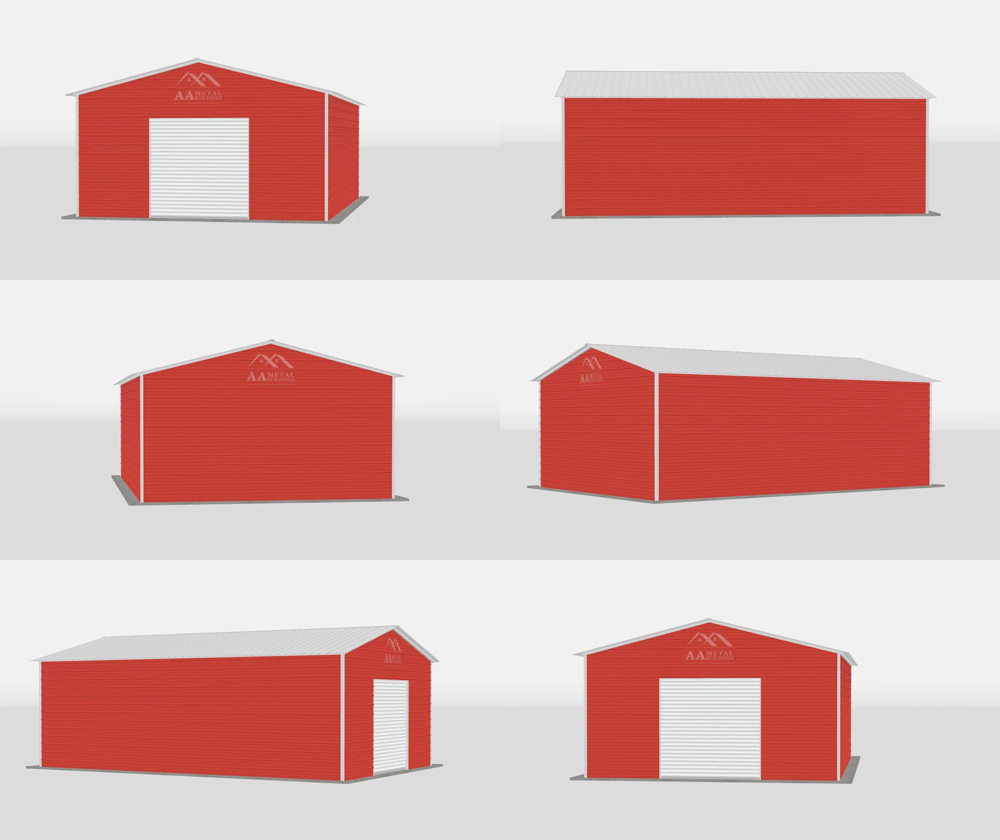
Most real-world 30×60 jobs land roughly in the $55k–$130k range once you include concrete, doors, and basic electrical rough-ins. Here’s the thing—the slab and door package can be half the budget if you go heavy-duty or add multiple big overheads.
Yes, it’s a sweet spot if you want a real work area plus a dedicated storage bay. I see this all the time: folks cram storage along every wall and then wonder why they can’t move a trailer around—leave yourself a clean drive lane inside from day one.
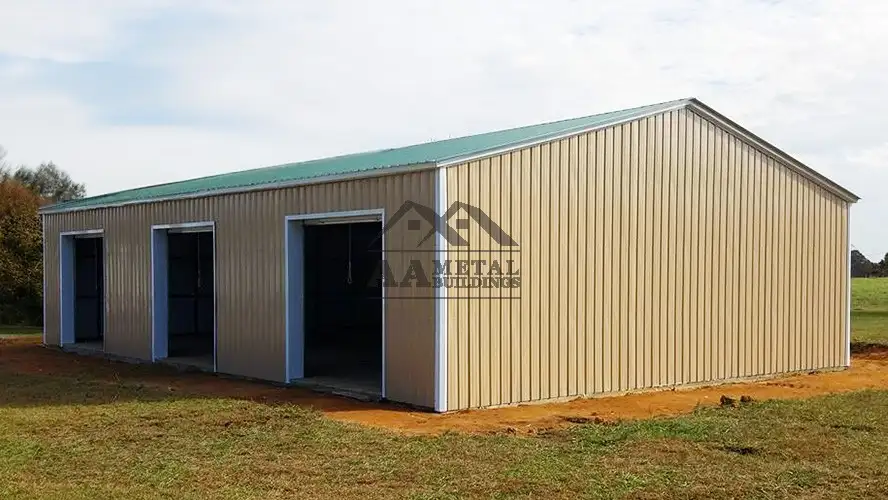
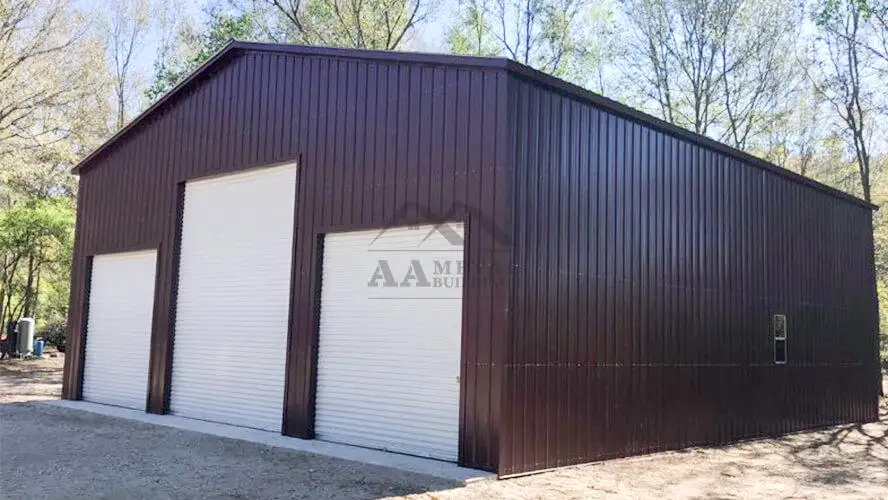
You can park 6–8 cars if it’s mostly parking, or 3–5 vehicles comfortably with room left for tools and benches. Door layout matters more than square footage—two overhead doors spaced right beats one giant door that forces everything to shuffle.
12′ works for most garages and basic shops, but 14′ is the safer call if you want a lift, tall shelving, or 12′ overhead doors. This is where people mess up: a “12-foot door” isn’t really 12 feet of usable clearance once tracks and openers eat up headroom.
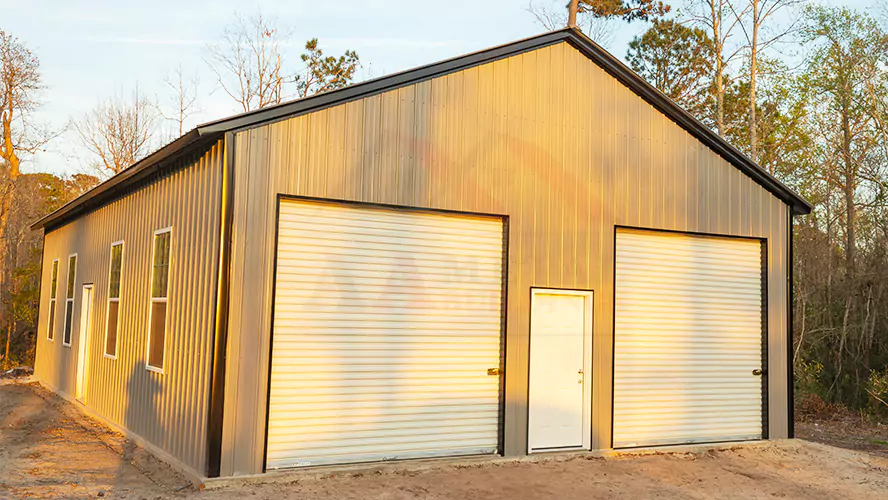
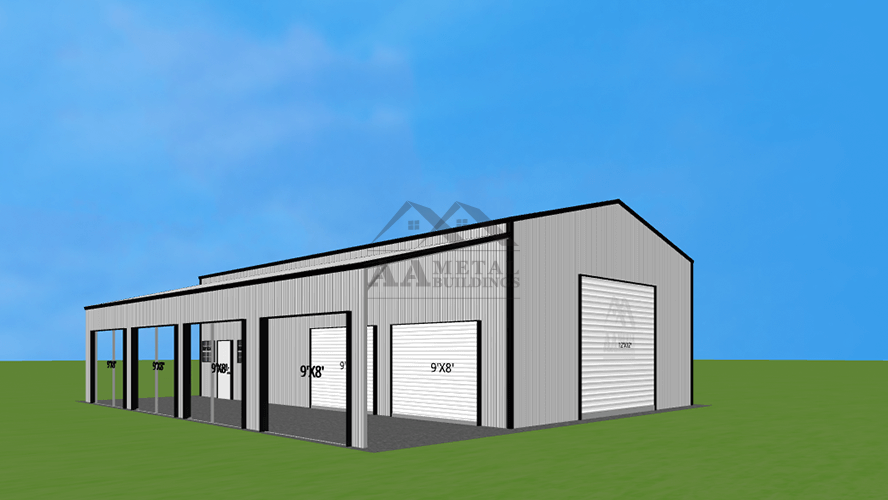
A 10×10 is fine for pickups, but if you’ve got trailers, skid steers, or side-by-sides, you’ll be happier with at least one 12×12. Put a walk door near where you park—otherwise you’ll run the overhead door a dozen times a day and wear it out early.
Most places, yes—expect a building permit and engineered drawings stamped for your exact site loads. If you’re adding power, plumbing, or HVAC, those are usually separate permits, and many jurisdictions want a slab inspection before concrete gets poured.
You want a level, compacted pad and a slab that’s square to the building footprint—if the diagonals aren’t right, the frame fight starts on day one. If you’re storing anything heavy, plan thicker concrete and reinforced edges where tires and point loads sit, not just a “one-size” slab.
If you’re working in it, yes—otherwise it’ll sweat and drip, especially on the roof. Most folks don’t realize condensation is usually a roof/air-seal problem first, not a wall problem, so you need a vapor barrier and a plan to vent the space.
Sometimes, but it’s way easier if you plan it up front. I see this all the time: people don’t order the right framed openings or they pour the slab with no thought for future tie-ins, and the “simple add-on” turns into a rework job.
They pick the building size first and the doors second. Doors drive how you use the space—if you can’t pull straight in, you’ll hate the layout no matter how big it is. Spend ten minutes sketching where vehicles, benches, and storage actually go before you lock in the quote.