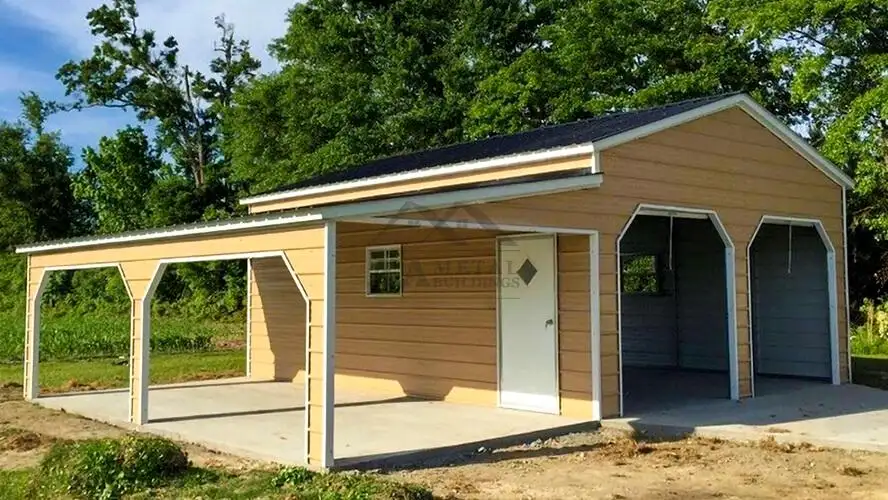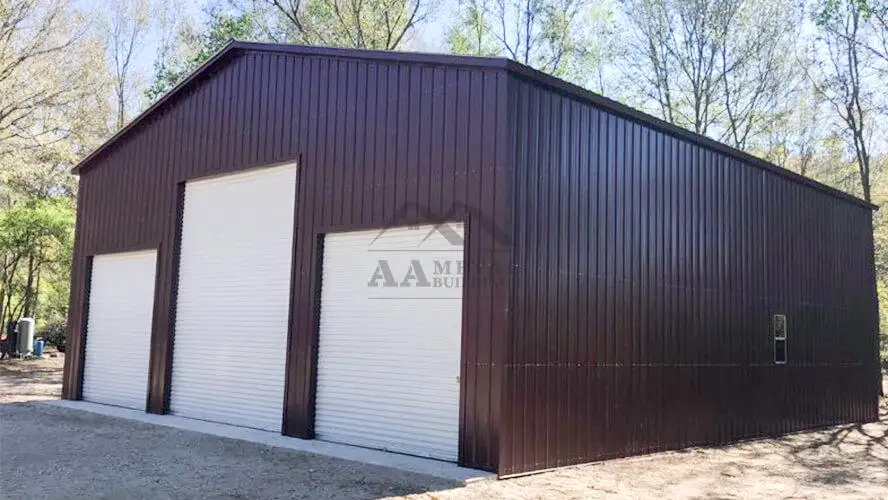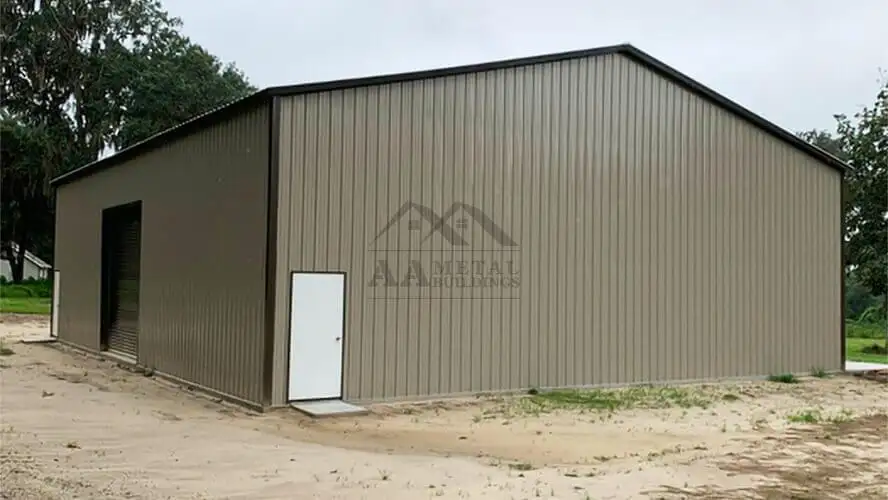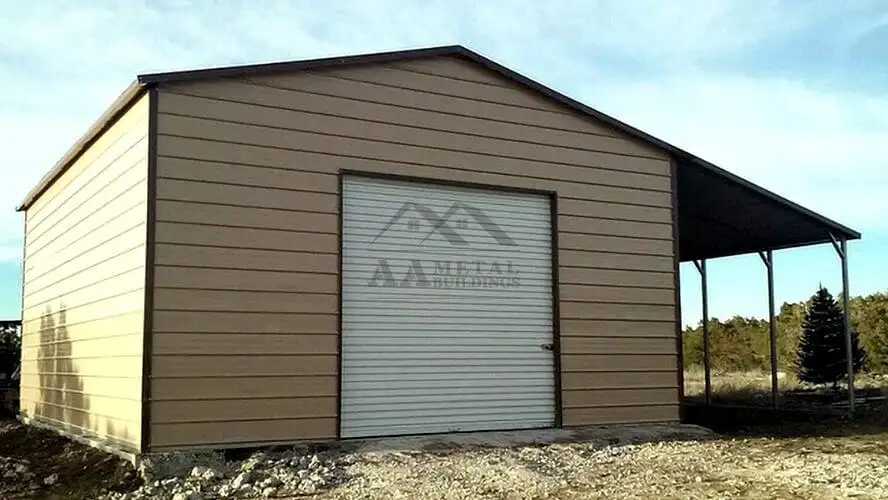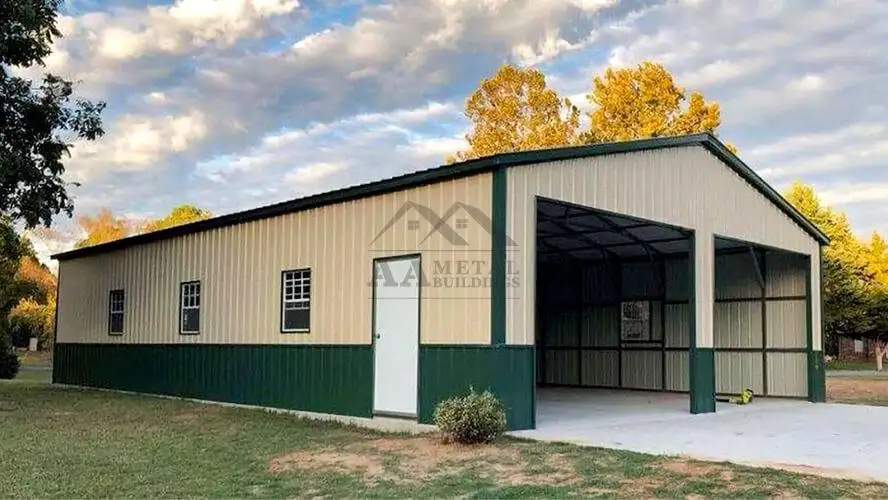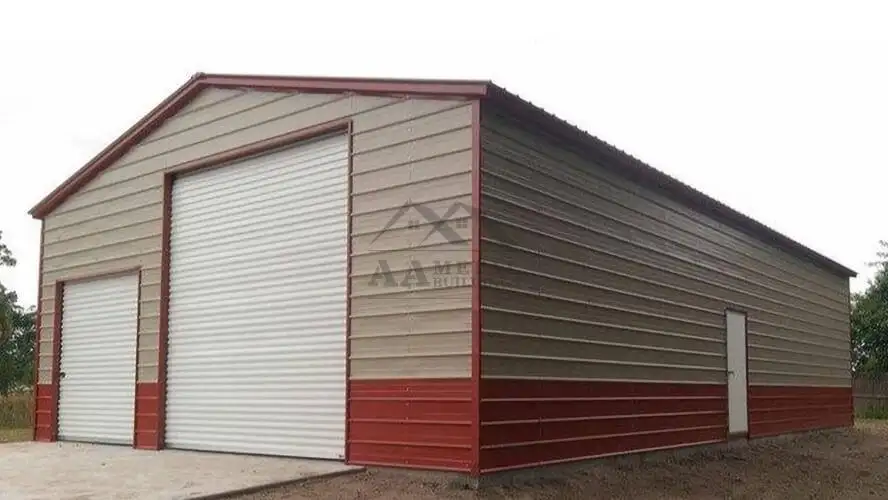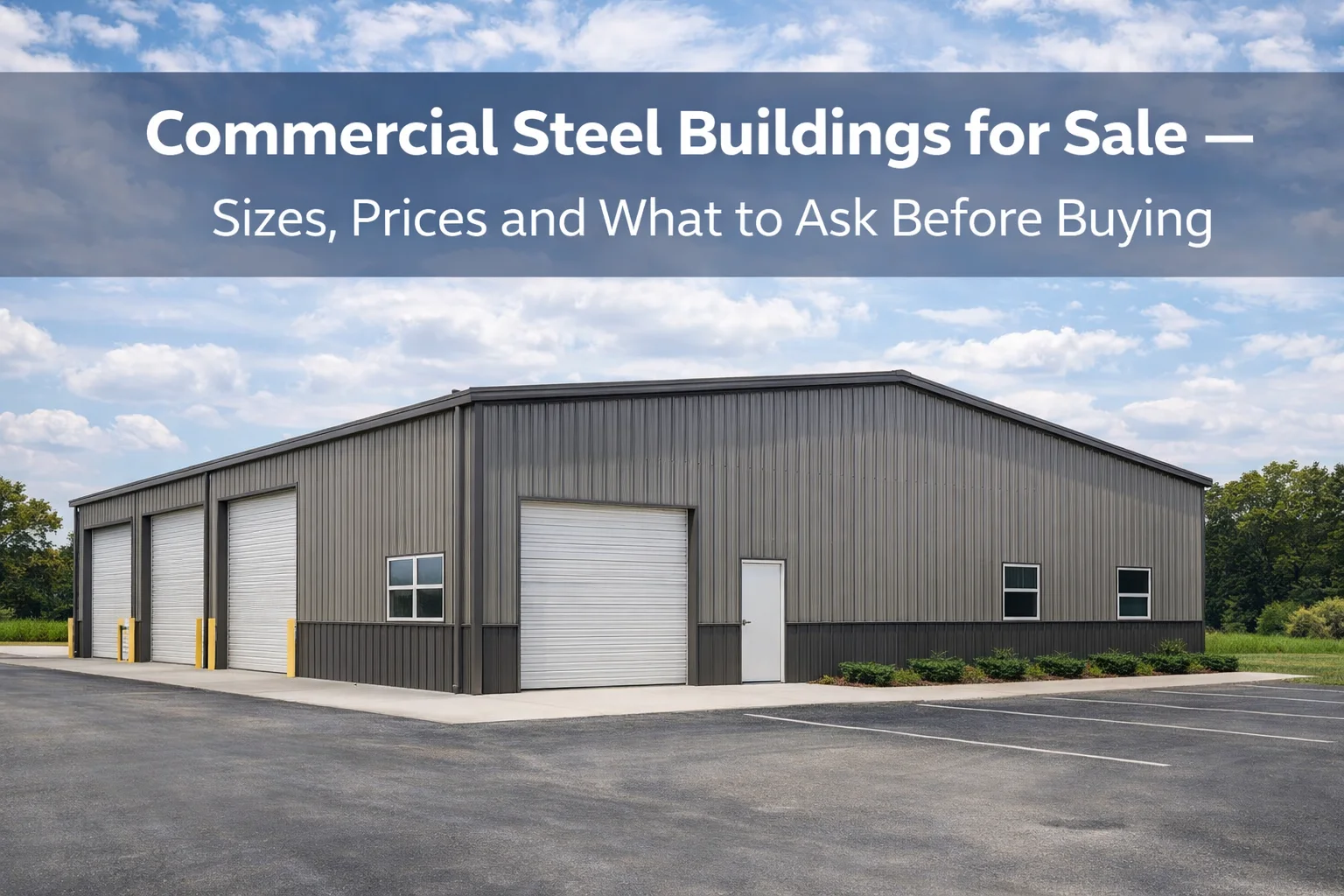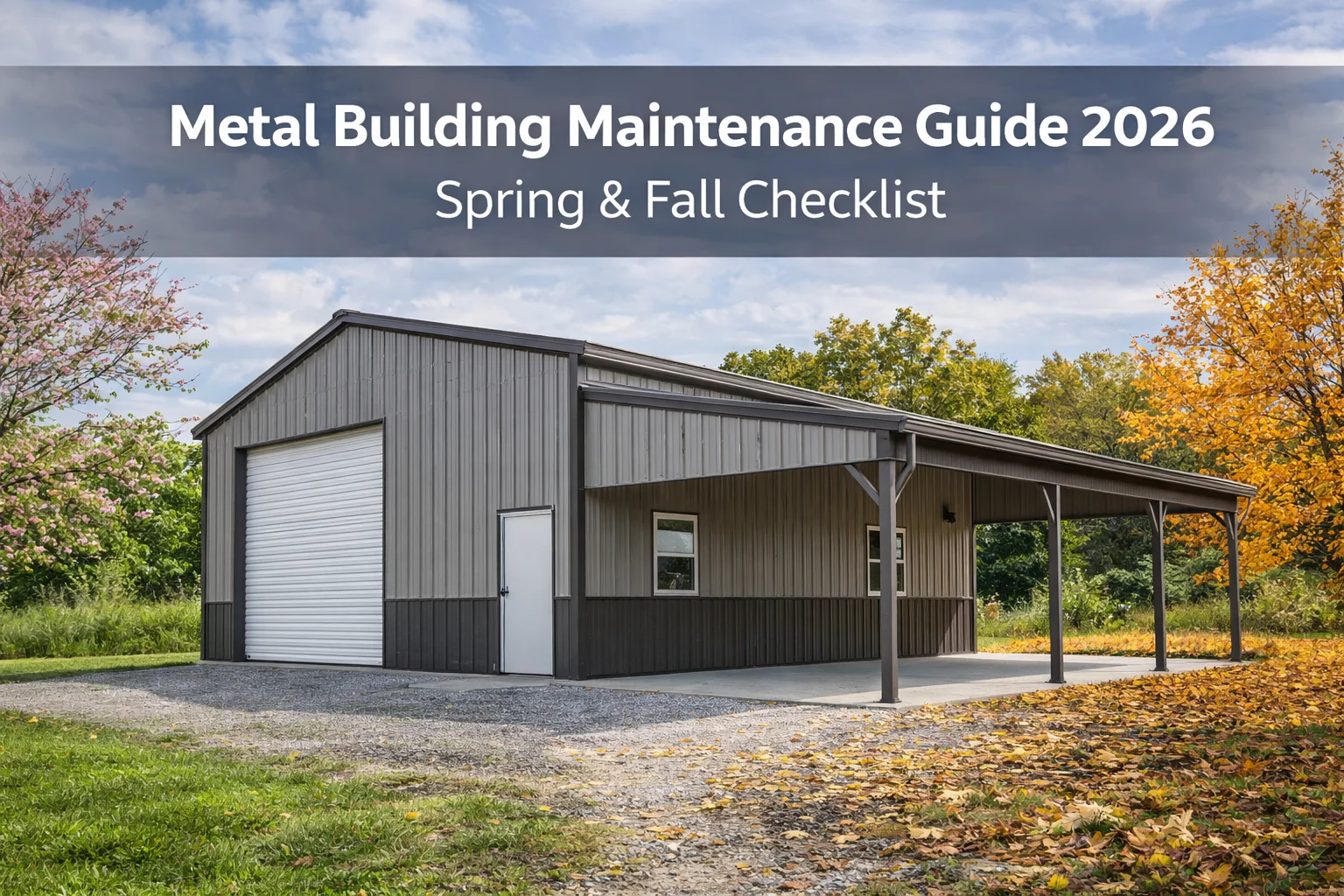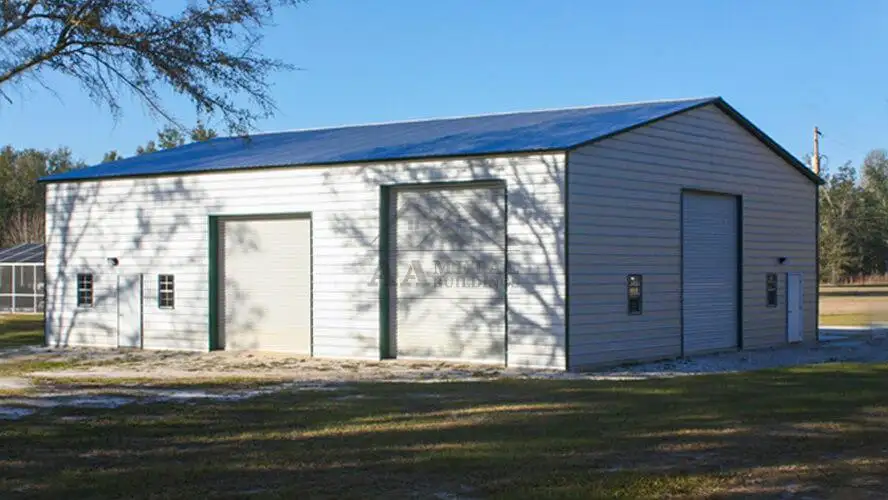
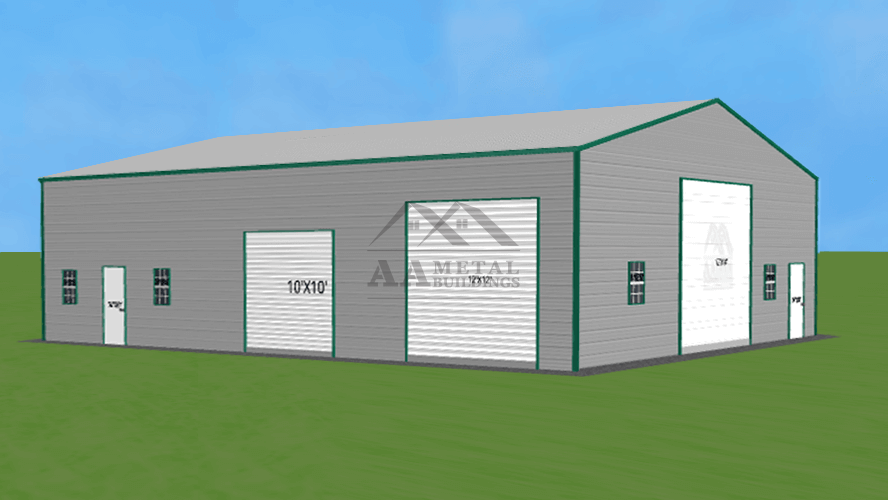
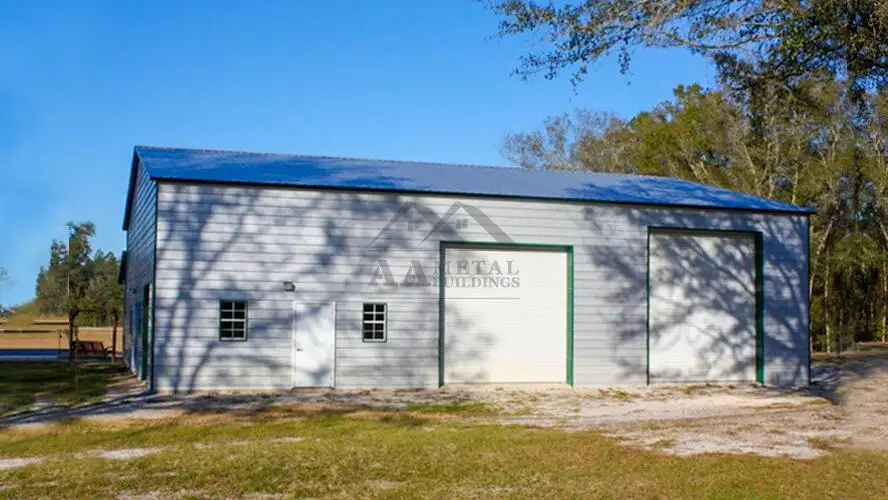
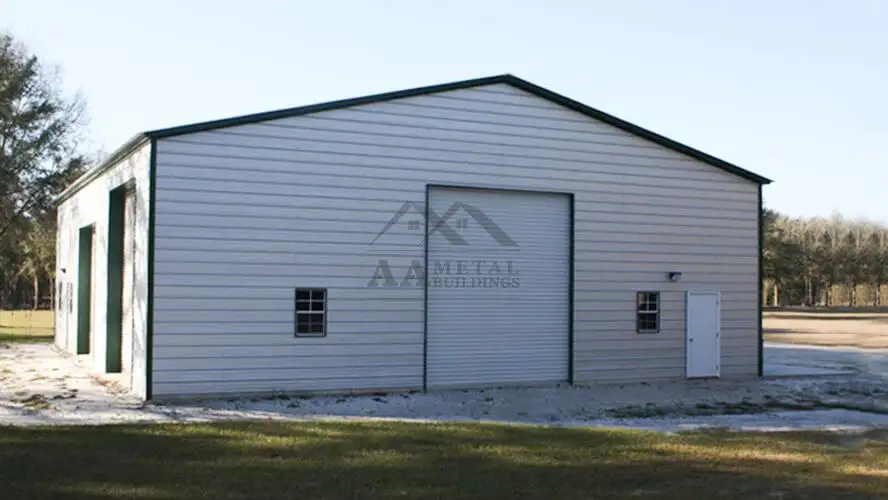
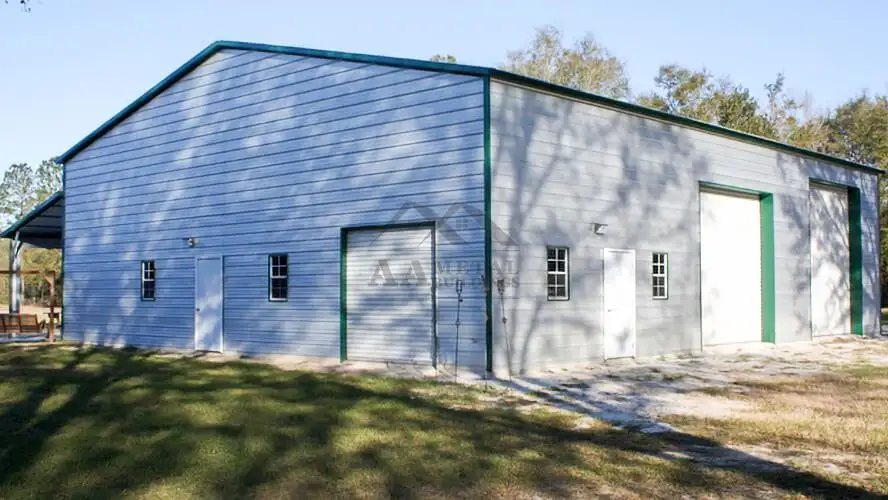
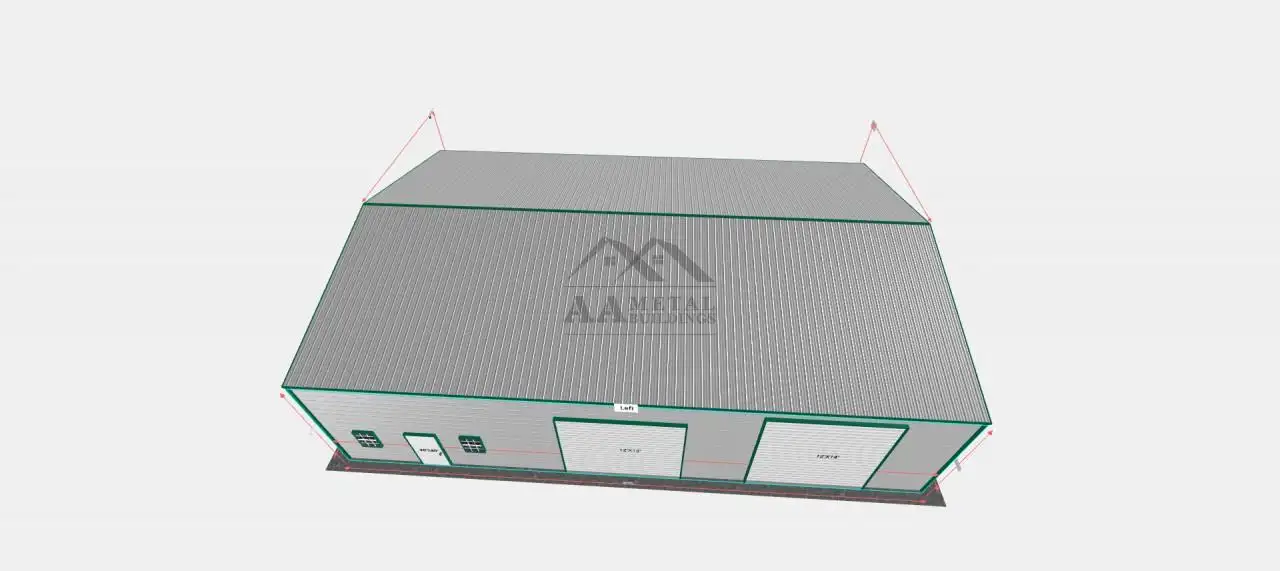
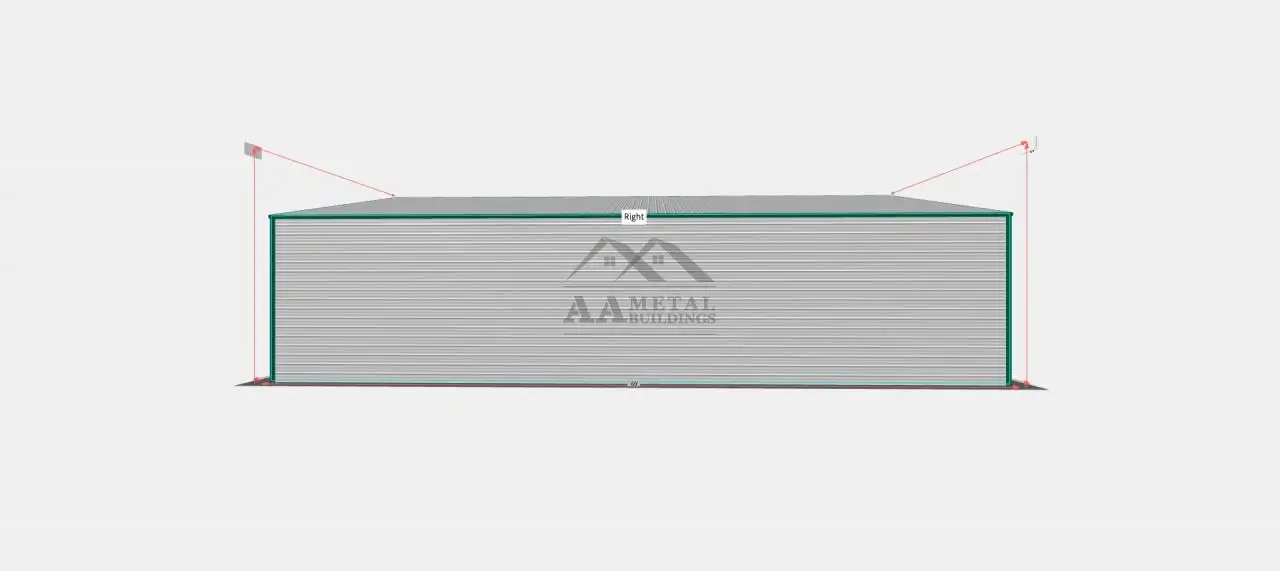
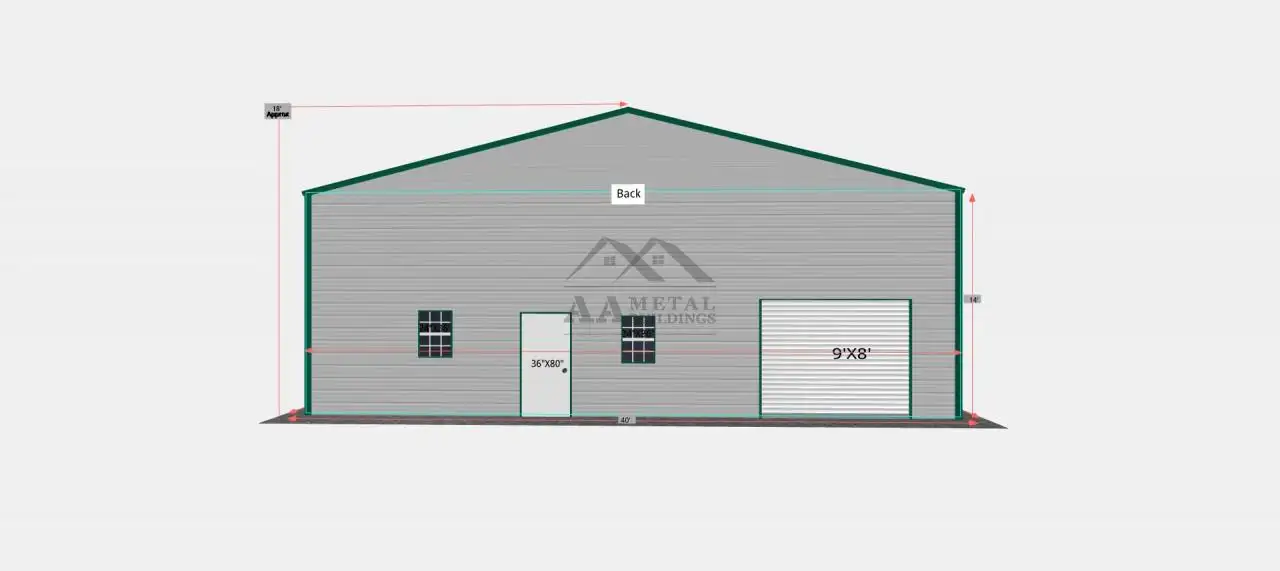
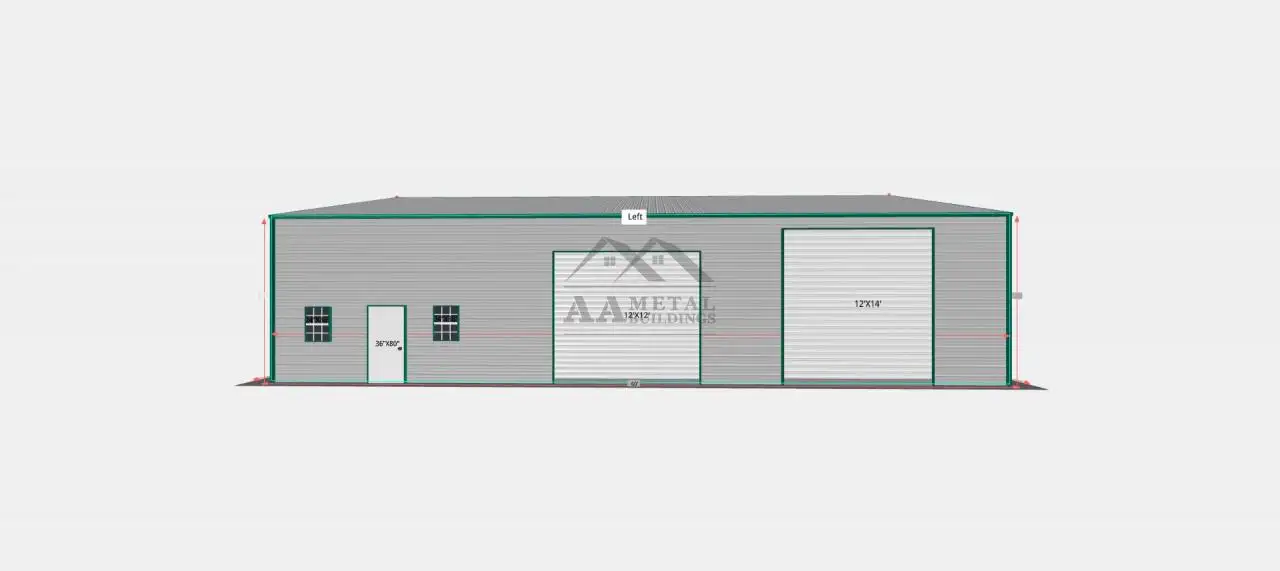
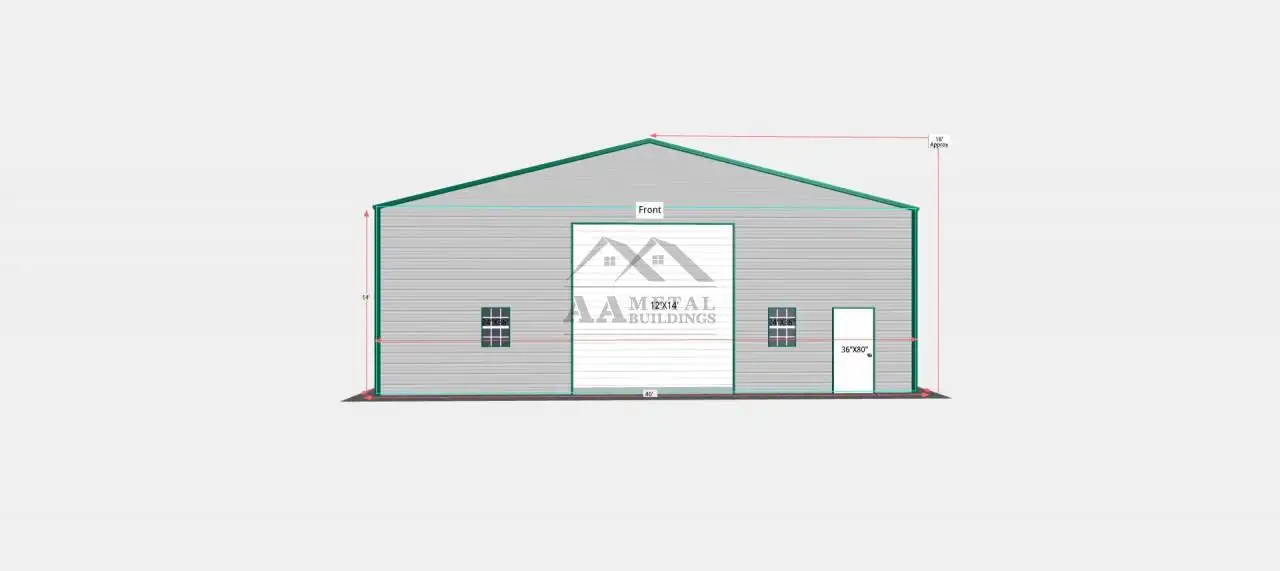






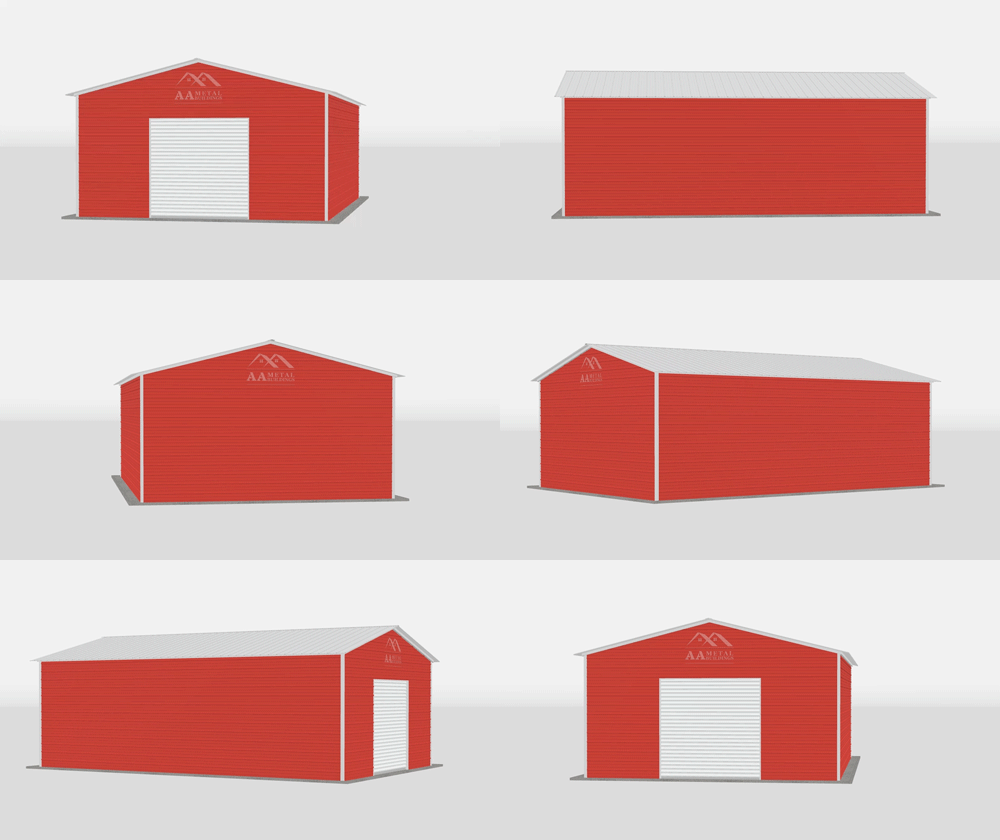
A 40×60 commercial metal building gives you 2,400 square feet, which is why a lot of business owners look at it when they need space that can do more than one job. It is a practical size for fleet vehicle storage, contractor equipment, service bays, inventory, shop space, or a mix of office and work area.
What makes this size appealing is that it is large enough to run real day-to-day operations without jumping straight into a much bigger warehouse project. For many small and mid-sized businesses, it hits that middle ground where the building feels serious and usable without becoming harder to manage than it needs to be.
That depends on the type of vehicles and how the building is laid out, but a 40×60 is often large enough for multiple work trucks, vans, trailers, or service vehicles with room left over for tools, parts, or storage. The real answer is less about the raw square footage and more about door placement, turning room, and how much open floor space you want to keep.
A building can technically fit a lot of vehicles and still be frustrating to use if everything is packed too tightly. Businesses usually get better long-term value when they plan for movement inside the building, not just maximum parking capacity.
Yes, for many businesses it is. A 40×60 commercial building works well as a repair shop, service garage, contractor base, or equipment building because it gives you enough width and depth to create separate working zones. You can keep vehicle space on one side, tools and storage on another, and still have room for daily operations.
That is a big reason this size stays popular. It does not feel like a basic garage anymore, but it also does not force you into the cost and scale of a much larger industrial building. For a lot of companies, it is the size where the building starts feeling like a real business asset instead of just overflow space.
The right height depends on what needs to go through the doors and what needs to happen inside. If the building is meant for standard fleet vehicles, pickups, vans, and general commercial storage, one height may work fine. If you are dealing with taller trucks, lifts, enclosed trailers, equipment, or stacked storage, you will usually want more clearance from the start.
Height is one of those things people regret underestimating. It is easy to focus on the footprint and forget that vertical room affects how flexible the building will be later. For commercial use, it usually makes sense to think ahead instead of building only for today’s needs.
The size matters, but it is not the only thing driving the quote. The biggest cost differences usually come from the building height, framing strength, door package, insulation, certification requirements, site prep, concrete work, and whether the building is being used for simple storage or active commercial operations.
That is why two 40×60 buildings can come back with very different prices even though the footprint is the same. One may be a basic shell for storage, while another is designed for heavy use, vehicle access, code compliance, and a more finished setup. The price changes because the job the building needs to do changes.
In most cases, yes. A 40×60 commercial building is large enough that local permitting, engineered plans, wind and snow load requirements, setbacks, and anchoring details usually need to be reviewed before installation. Commercial use can also bring extra requirements depending on the property and how the building will be occupied.
This is why it is important to treat the project like a real commercial build from the beginning. The smoother path is always checking the local requirements early, rather than ordering a building first and finding out later that the specs need to change.
Yes, and that is one of its biggest advantages. A lot of businesses use a 40×60 building as a combination space where part of the interior is used for vehicles or inventory and the rest is used for repairs, prep work, tools, parts, or office-related functions.
That kind of flexibility matters because most commercial spaces do not stay single-purpose forever. A building that starts as vehicle storage may later need to support service work, light fabrication, or operational storage, and this size gives you room to adapt without starting over.
For many businesses, yes, because it solves space problems in a way that is practical and scalable. A building this size can support vehicles, equipment, materials, and everyday operations while still leaving room for growth. That makes it appealing for contractors, service companies, agricultural operations, and other businesses that need functional enclosed space.
The real value is not just in the square footage. It is in having a building that works hard, stays flexible, and supports the way the business actually runs. When the layout and specs are planned correctly, a 40×60 commercial metal building can serve the business well for years.