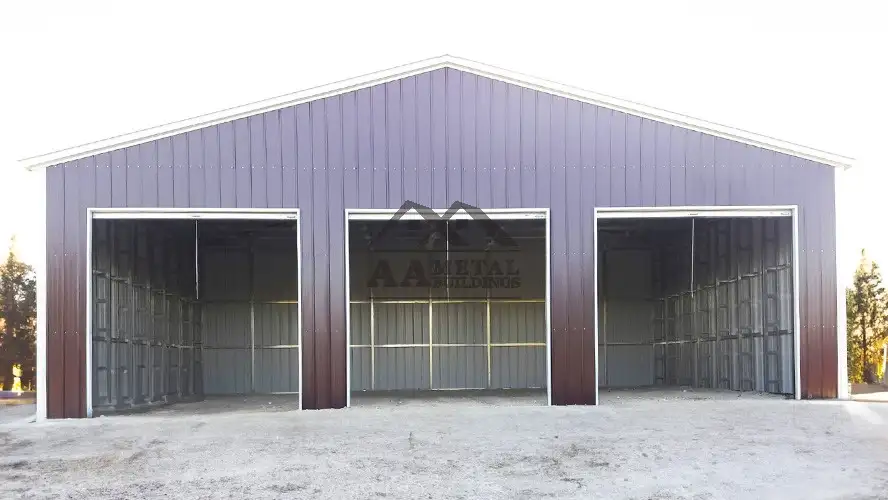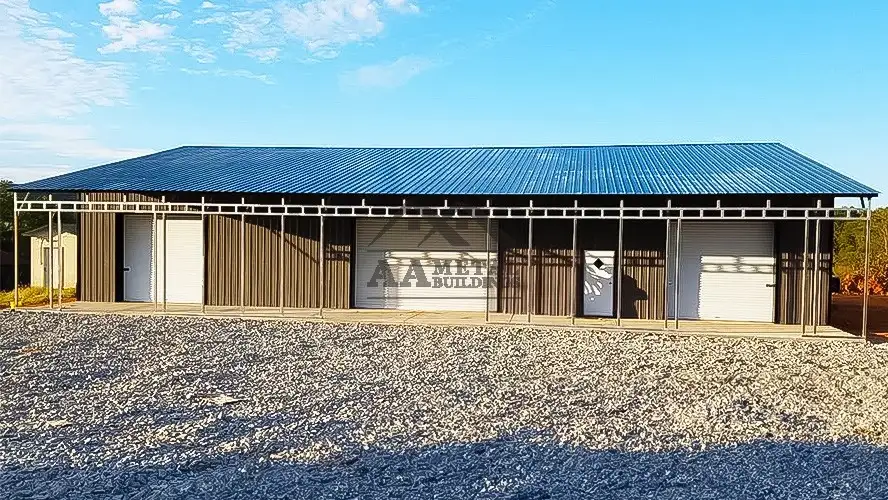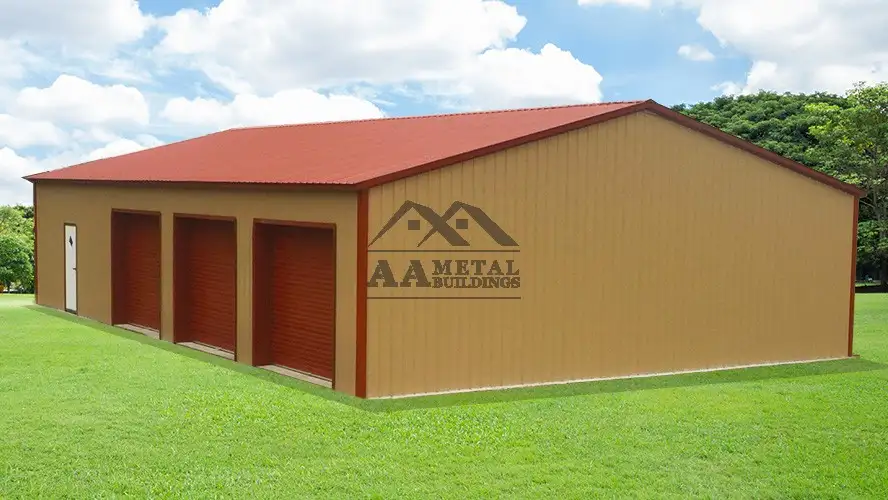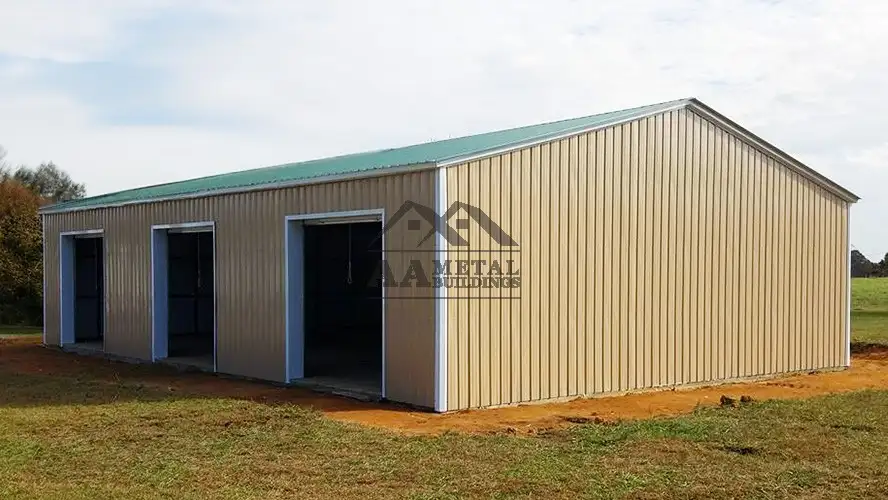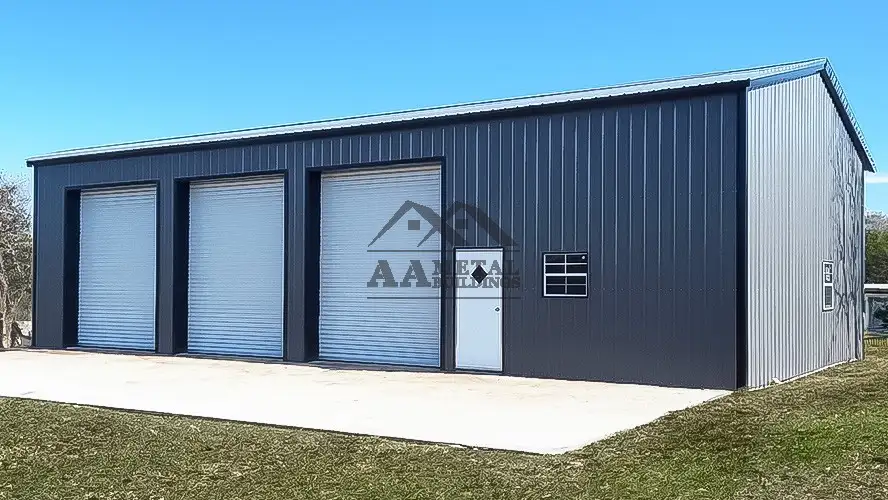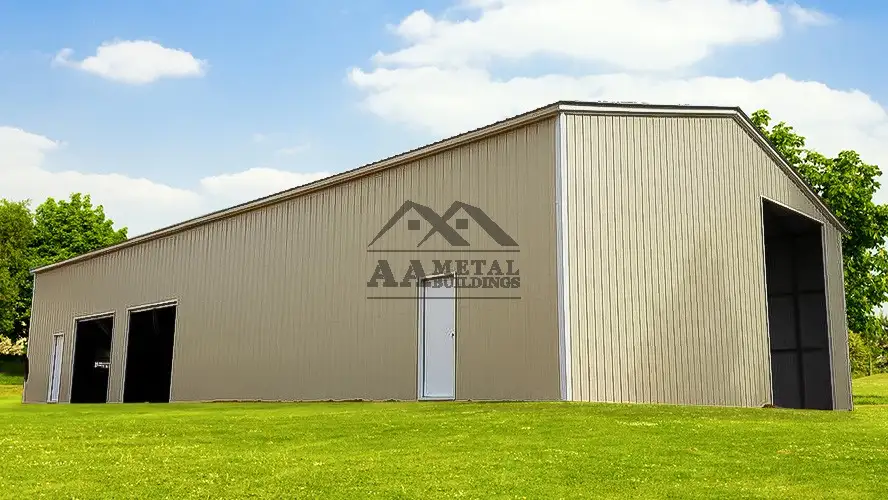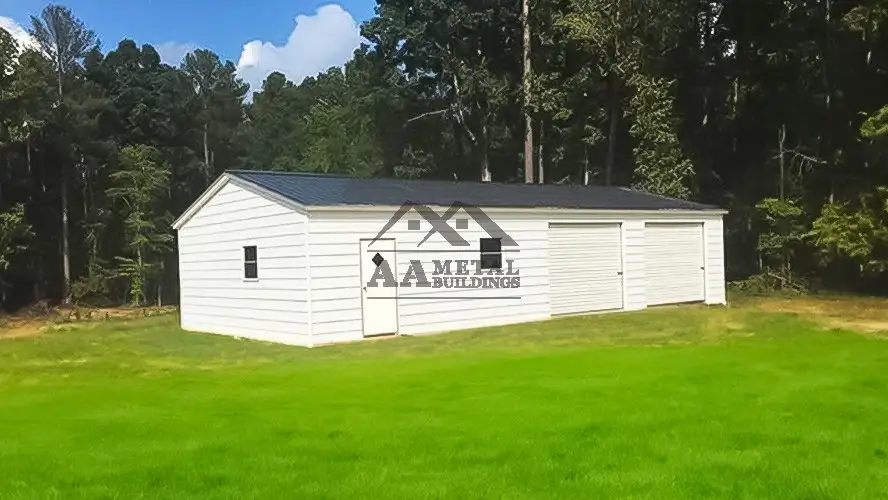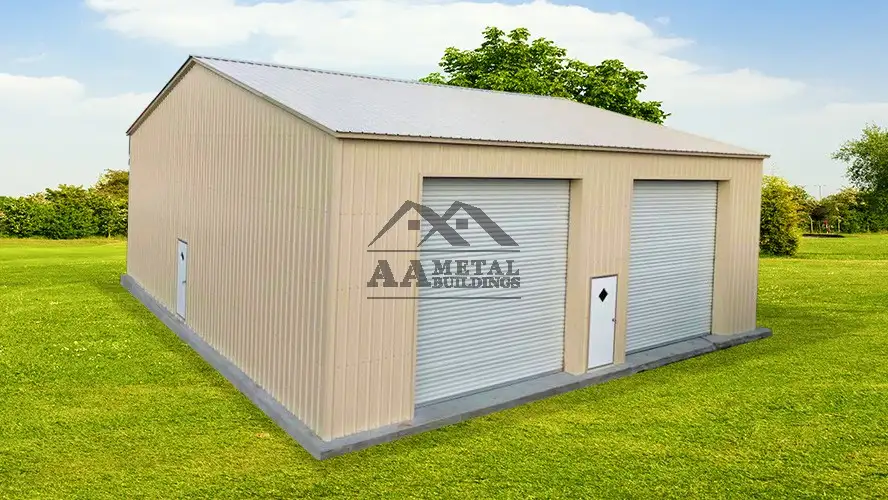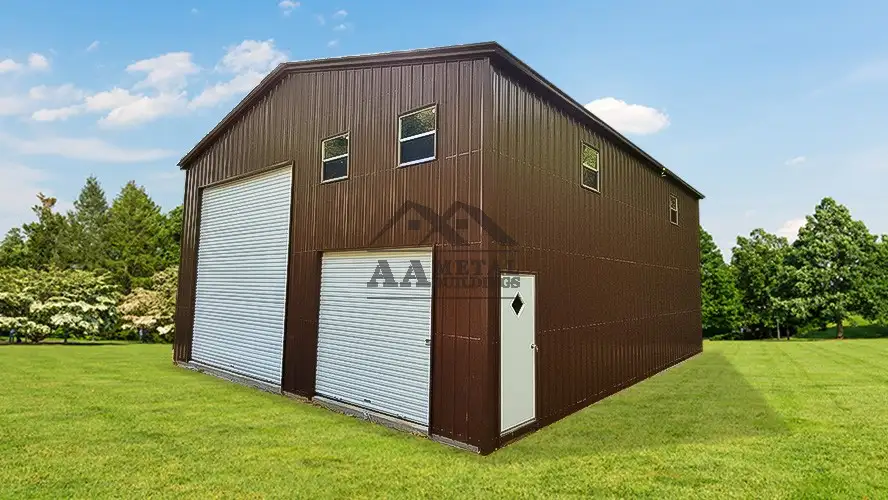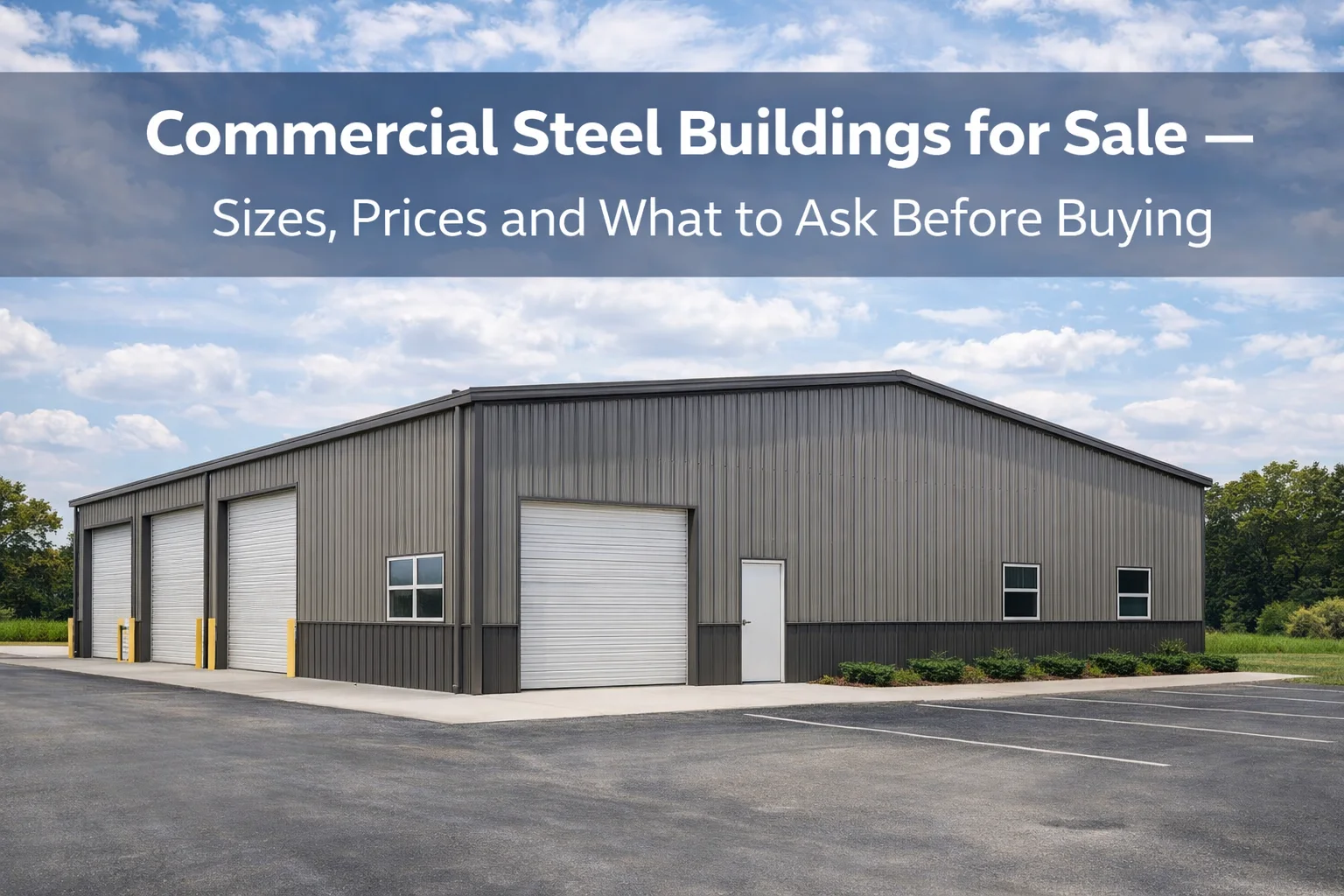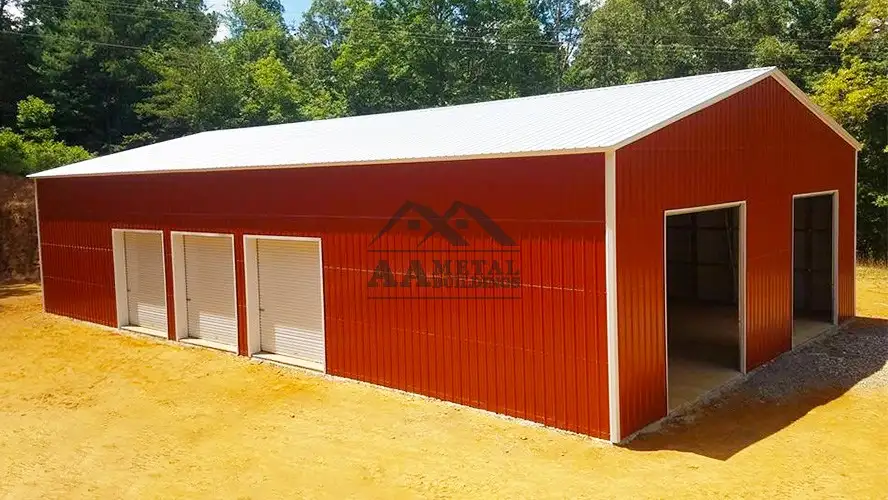






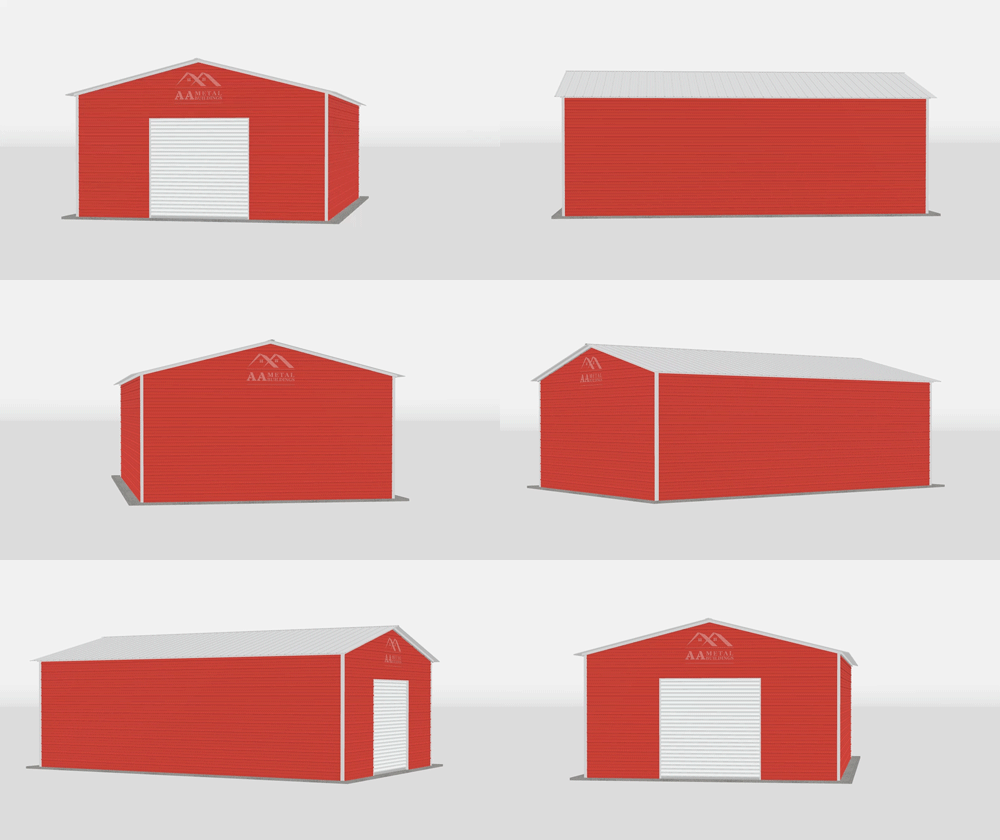
A 40x60x14 metal warehouse gives you 2,400 square feet of covered space, which makes it a strong option for storage, inventory, equipment, materials, light commercial operations, and small business use. It is a practical size for companies that need more than a basic garage but do not need a massive industrial building.
A lot of buyers choose this size because it gives them room to organize the inside properly. You can use one area for pallet storage or equipment, keep another section open for loading and unloading, and still have enough space left for day-to-day business use.
For many warehouse applications, yes. A 14-foot height gives you more flexibility than a lower building and makes the space feel more open once shelving, inventory, equipment, or larger door openings are added.
The real question is what you plan to store and how the building will be used. For general inventory, contractor materials, and light equipment storage, 14 feet is often a very workable height. If the building is meant for taller machinery, high stacking, or more demanding commercial use, that is where height planning becomes even more important
For many small and mid-sized businesses, yes. A 40×60 metal warehouse is often large enough to handle inventory, supplies, equipment, service materials, or operational storage without feeling too small right away.
That is one reason this footprint stays popular. It gives business owners enough room to operate efficiently without overcommitting to a larger building than they actually need. When the layout is planned well, 2,400 square feet can go a long way
This size works well for contractors, service companies, agricultural operations, suppliers, small distributors, auto-related businesses, and owners who need dependable enclosed storage. It is also a good fit for companies that need a mix of storage space and working room under one roof.
What makes it useful is flexibility. One business may use it for inventory and pallet storage, while another uses it for tools, fleet materials, equipment, and work tables. The building can support different business models without feeling locked into one narrow use.
The footprint matters, but it is not the only thing that affects the quote. Height, door sizes, framing strength, insulation, local wind and snow requirements, installation conditions, concrete, and site prep all play a role in the final cost.
That is why two warehouses with the same 40×60 size can end up priced very differently. One may be a simple storage shell, while another is designed for heavier use, better access, upgraded openings, and stricter code requirements. The building size stays the same, but the job it needs to do changes the price.
That depends on what needs to move in and out of the building. A warehouse used for materials, tools, and general inventory may need a different door setup than one used for trailers, commercial vehicles, or equipment. The best setup is the one that keeps loading simple and does not waste time or floor space.
A lot of buyers focus on the building dimensions first, but door placement can make just as much difference in how usable the warehouse feels. A good layout keeps traffic smooth and helps the space work better every day.
Yes, and that is one of the biggest reasons people choose this size. A 40x60x14 metal warehouse can store inventory or equipment in one section while leaving another part open for packing, prep work, repairs, assembly, or general business use.
That kind of flexibility matters because most businesses need space that can do more than one thing. A building that only works for storage today may need to support operations tomorrow, and this size gives you room to adapt without starting over.
In many cases, yes. A building this size usually involves local permit requirements, engineered plans, anchoring details, setbacks, and code considerations tied to your location and intended use.
That is why it is better to treat the project like a real building project from the beginning. The easiest path is checking what your local area requires before ordering, so the warehouse is designed to match the site instead of needing changes later.
For many buyers, yes, because it solves real space problems without pushing into a much larger project than necessary. It gives you room to store, organize, and operate while still keeping the building manageable in terms of footprint and use.
The long-term value usually comes from choosing a layout and spec package that fits how the business actually runs. When that part is done right, a 40x60x14 metal warehouse can stay useful for years instead of feeling outdated too quickly.