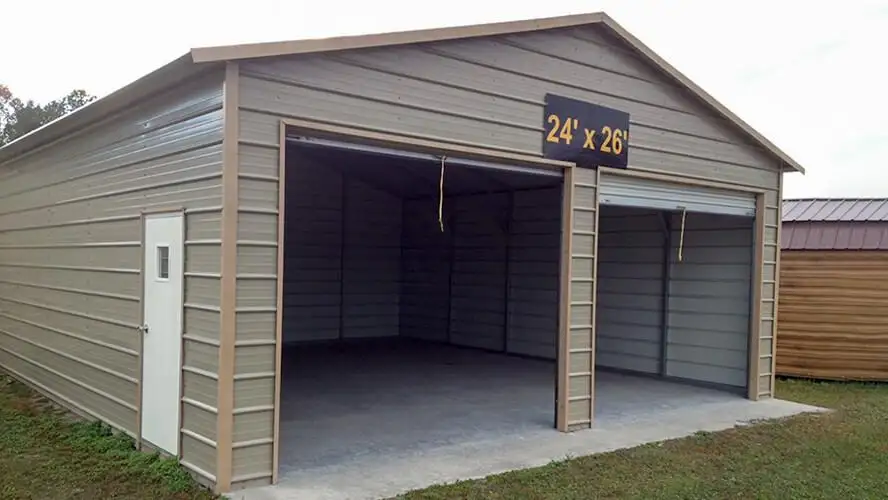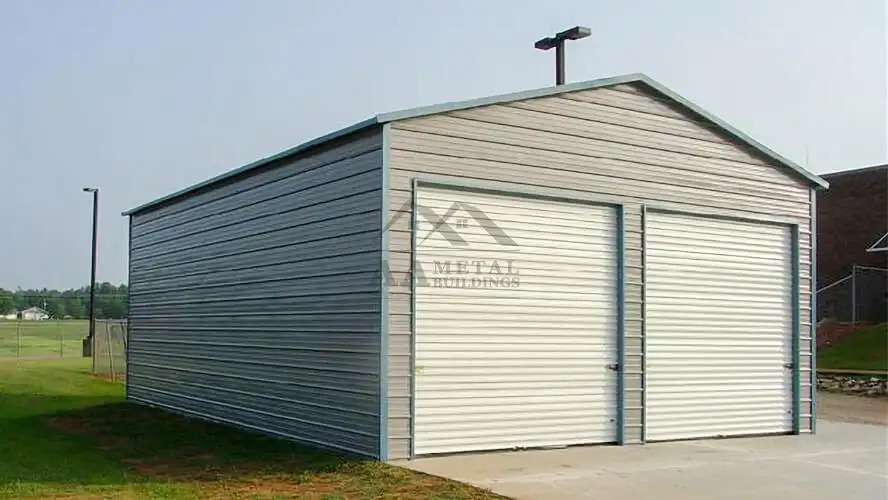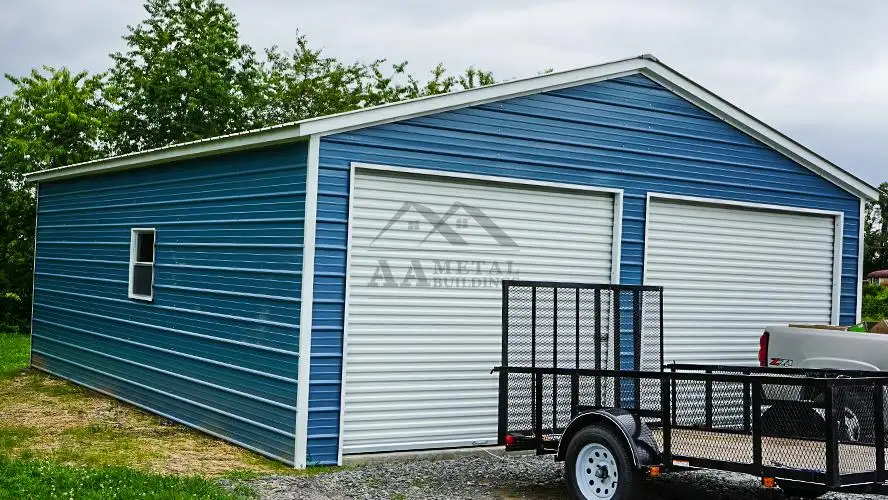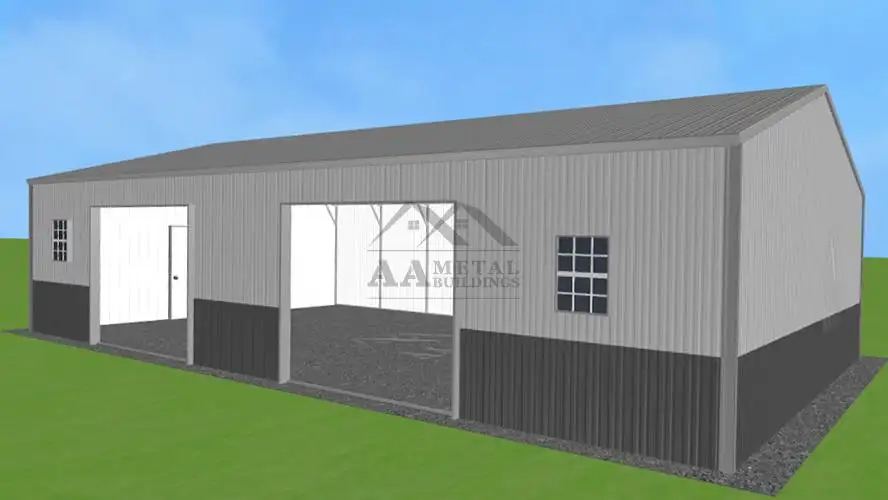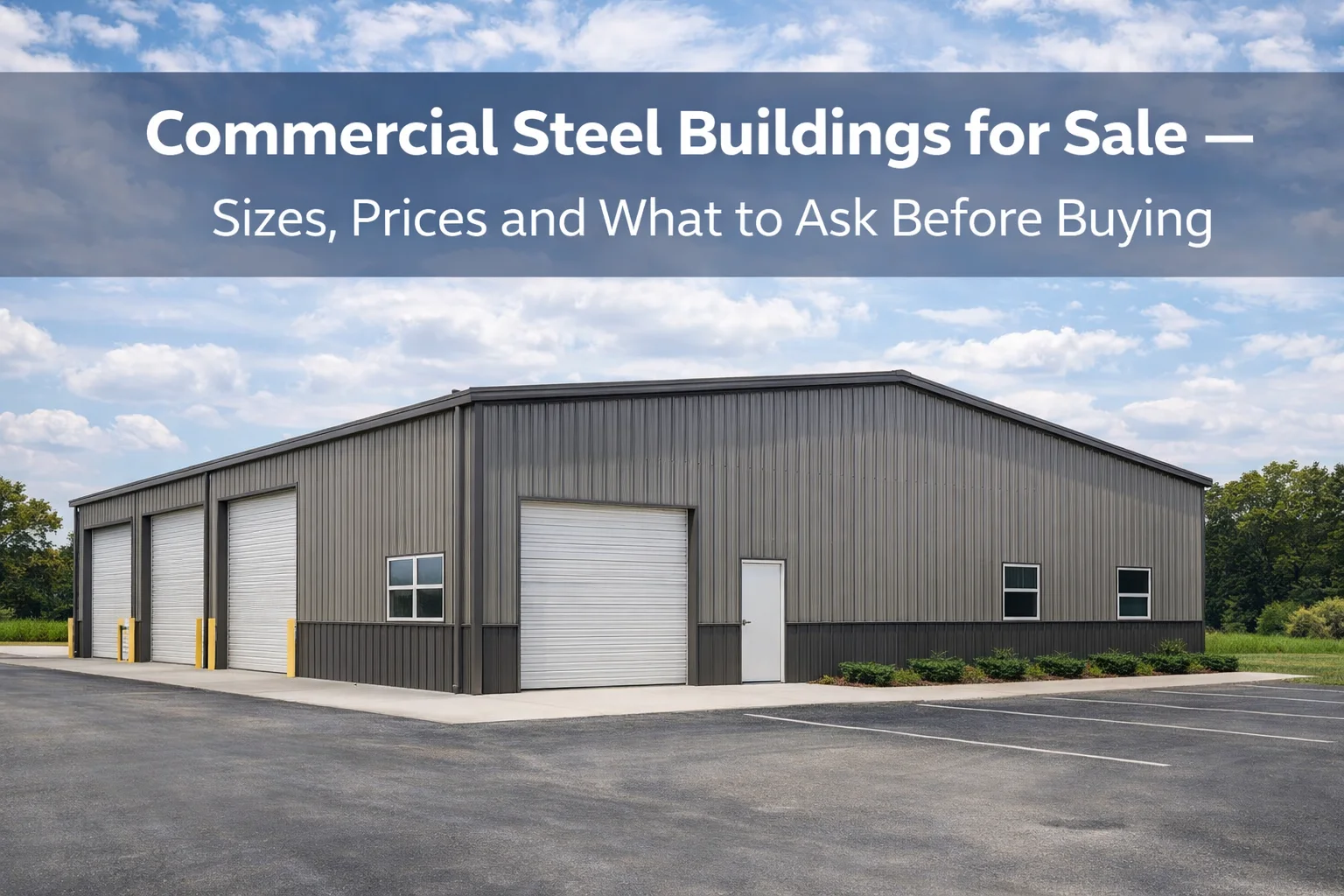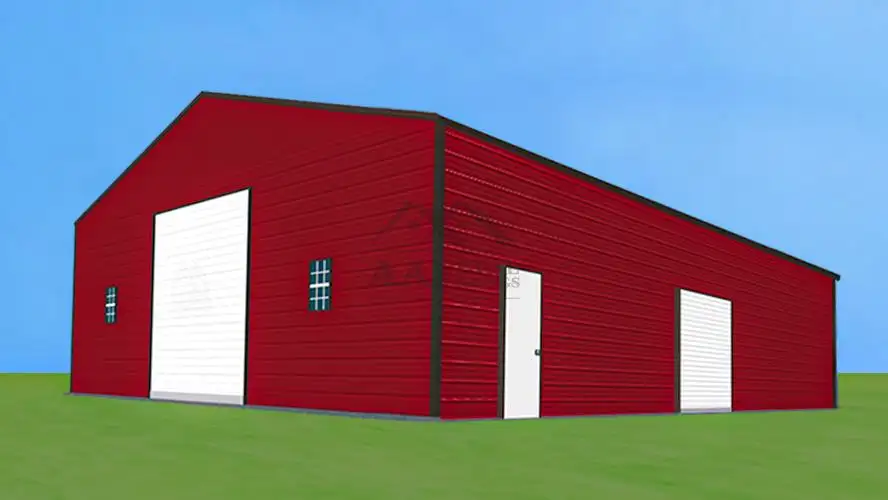
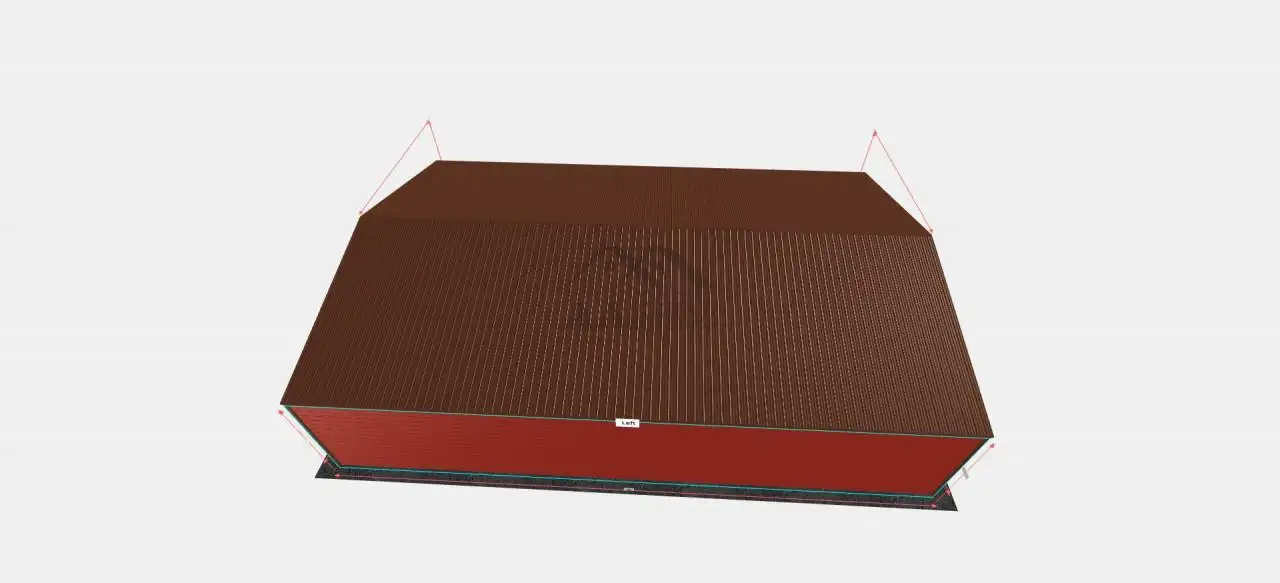
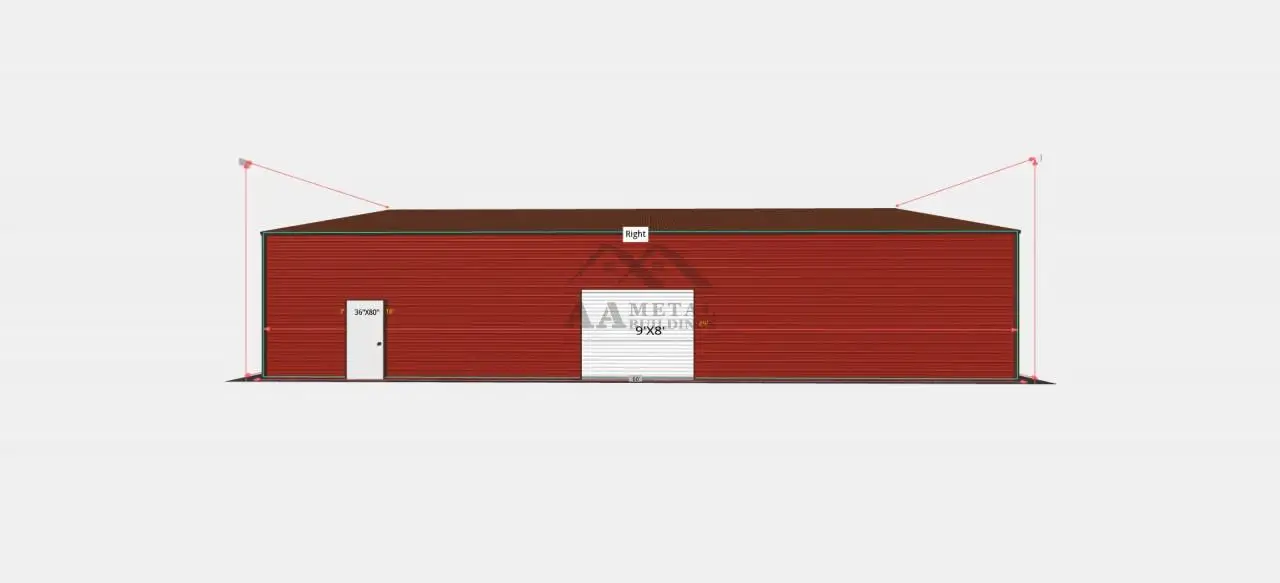
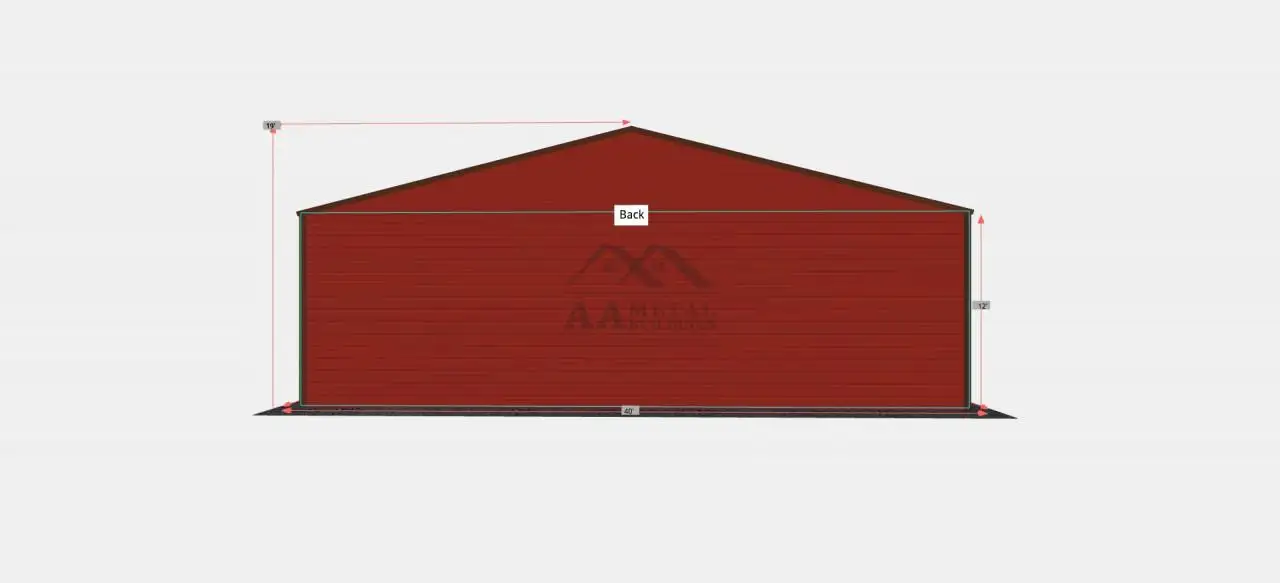
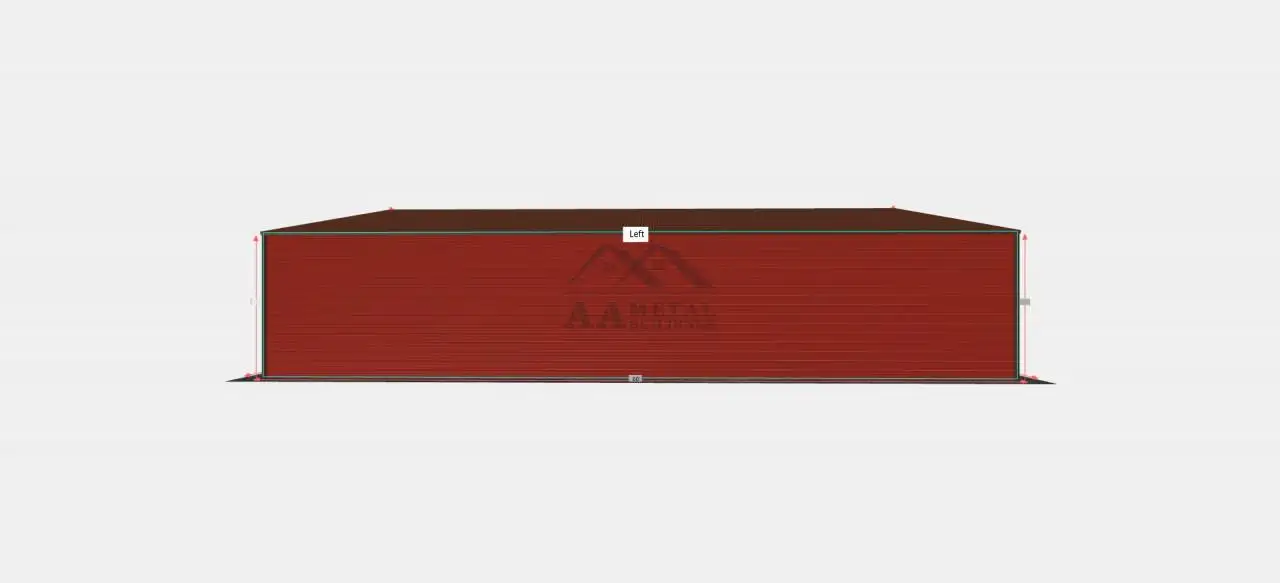
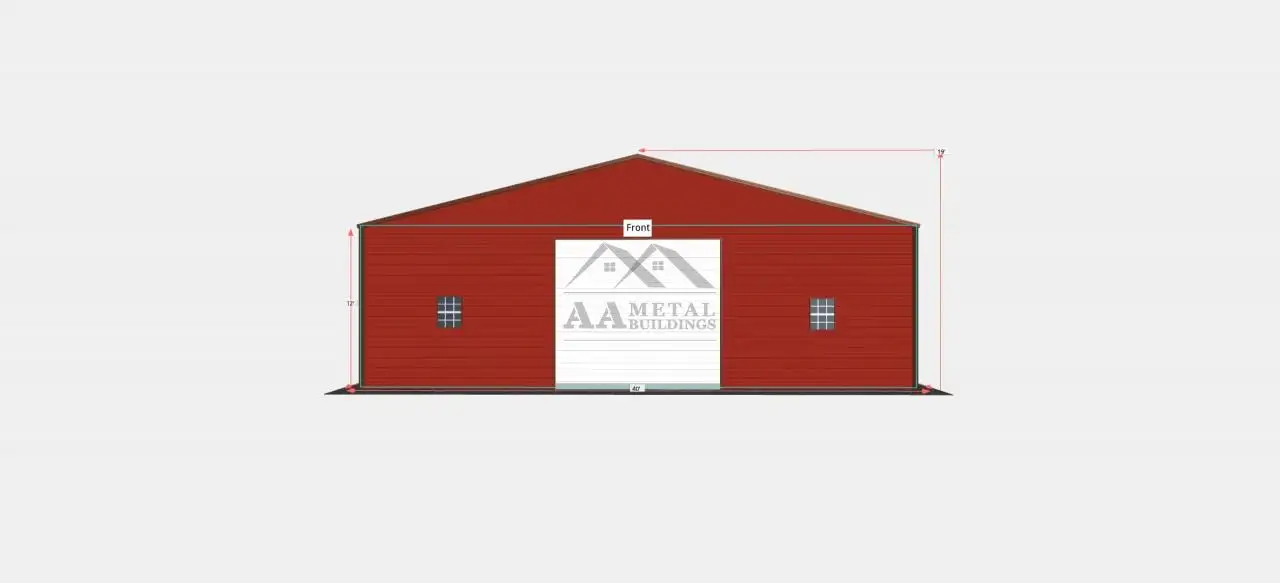








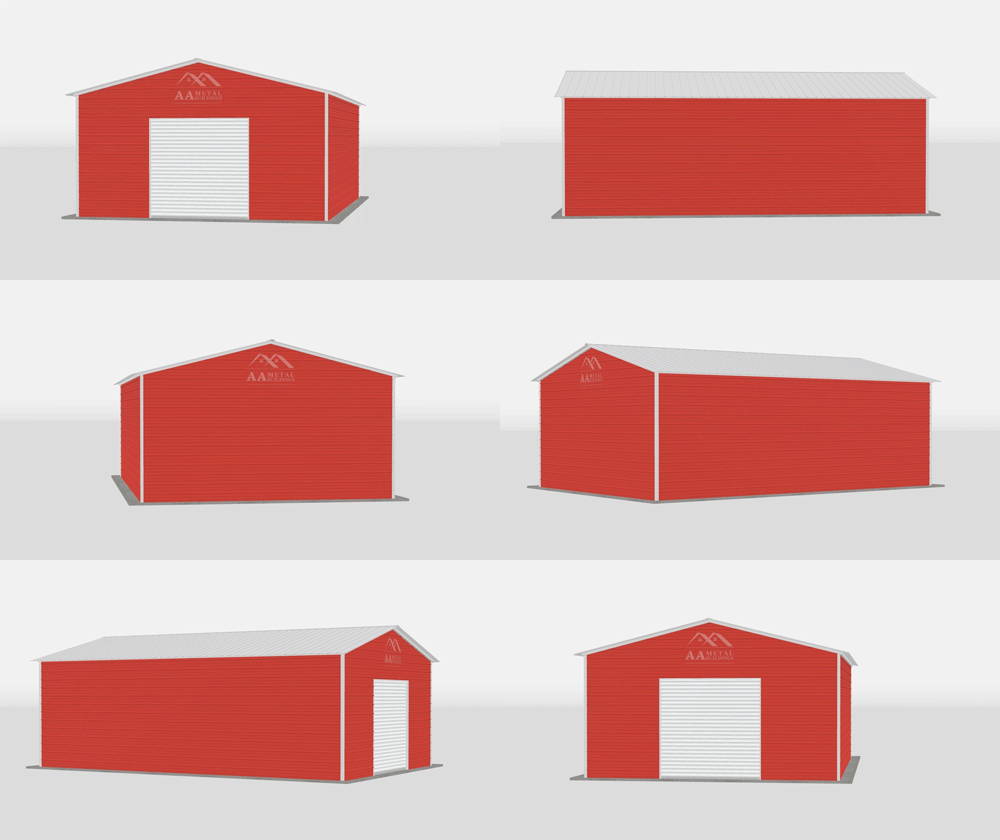
A 40x60x12 steel garage gives you 2,400 square feet of enclosed space, so it works well for people who need more than a standard home garage. It is a strong fit for multiple vehicles, trucks, trailers, equipment, workshop space, storage, or a mix of all of those.
A lot of buyers choose this size because it gives them room to grow into the building instead of filling it up right away. It is large enough to feel like a serious upgrade, but still practical for residential, farm, and light commercial use.
That depends on the vehicle sizes and how the inside is laid out, but a 40×60 garage usually has enough room for several vehicles along with extra space for tools, storage, or a work area. The square footage is generous, but the real difference comes from how the doors and parking lanes are planned.
A garage can technically hold more vehicles than it can comfortably handle day to day. Most people are better off planning for access, movement, and storage instead of trying to squeeze in the absolute maximum number of vehicles.
For a lot of uses, yes. A 12-foot garage gives you a comfortable amount of clearance for standard pickups, SUVs, work trucks, small trailers, and general storage. It also feels more open than a lower garage, which makes the space easier to use.
Where height becomes more important is when you start thinking about taller trailers, lifts, tractors, or future vehicle changes. That is why buyers should look at both what they have now and what they may want the building to handle later.
Yes, this is one of the better sizes for combining garage space with a real work area. You can park vehicles in part of the building and still leave room for a bench, tools, shelving, equipment, or a project area without making the garage feel crowded.
That flexibility is a big reason this size stays popular. It does not force you to choose between storage and usable workspace. With the right layout, it can do both without feeling like one side is constantly getting in the way of the other.
The best door setup depends on what will be going in and out of the garage. Some buyers prefer multiple separate bays so each vehicle has its own access point, while others want fewer but wider openings for easier entry and exit.
What matters most is making the garage simple to use in real life. Door size, spacing, and placement affect traffic flow more than people expect, so it is worth thinking through the layout before ordering instead of treating the doors like a small detail.
The footprint is only part of the price. The final cost usually changes based on the roof style, number and size of doors, windows, insulation, frame strength, certification requirements, installation, concrete, and site prep.
That is why two 40x60x12 garages can come back at very different prices. One may be a simple enclosed shell, while another is designed to be a much more finished and functional space. Same size, different job, different price.
A concrete slab is the most common choice for a garage this size, especially if it will be used for vehicles, storage, equipment, or workshop use. It gives the building a cleaner finished feel and usually makes the space easier to maintain over time.
The important part is making sure the slab matches how the garage will actually be used. A simple storage setup may not need the same floor planning as a garage that will hold heavier vehicles, equipment, or regular shop activity.
In many areas, yes. A garage this size often involves permit requirements, setbacks, anchoring details, and local wind or snow load rules. The exact requirements depend on where the building is going and how it will be used.
That is why it is always better to check local rules early. A building that works in one location may need different specs somewhere else, and it is much easier to handle that before the order is placed.
Yes, and that is one of the reasons buyers like this size so much. It can work as a personal garage, equipment building, contractor storage space, hobby shop, or small business setup depending on how the inside is planned.
That kind of flexibility matters because needs change over time. A garage that starts out as vehicle storage may later need to handle tools, inventory, work tables, or service-related use, and a 40×60 footprint gives you room to make that shift.
For a lot of buyers, yes, because it gives you a large amount of usable enclosed space without stepping all the way into warehouse territory. It is big enough to solve real space problems, but still manageable for everyday use.
The real value comes from how much you can do with it. When the layout, height, and access points are planned well, a 40x60x12 steel garage can handle vehicles, storage, work, and future growth without feeling like a temporary fix.